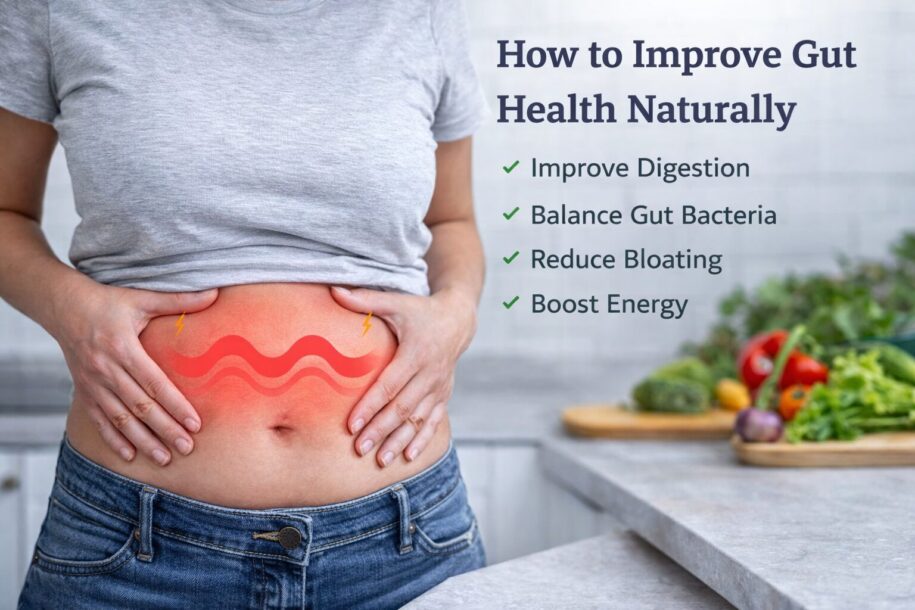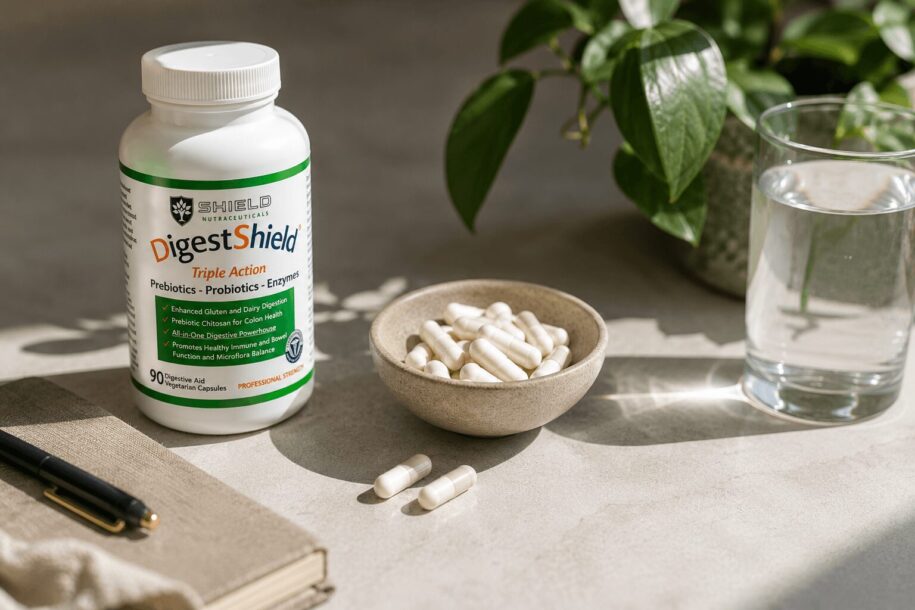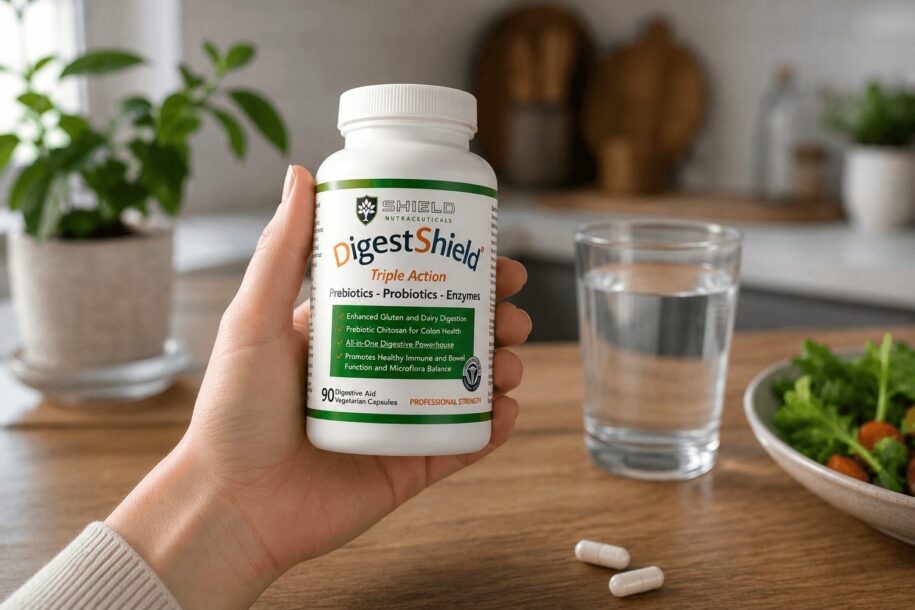
Best Supplements for Gut Health and Digestion

by in Digestion and Immunity marzo 28, 2026

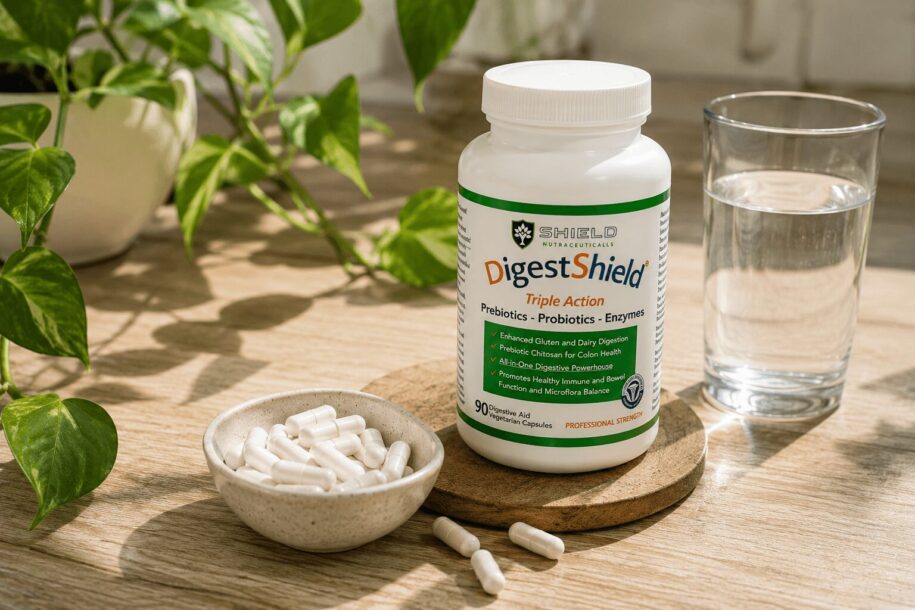
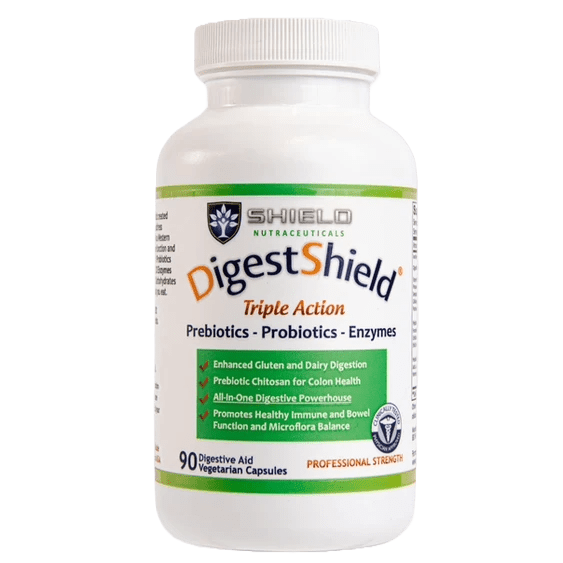
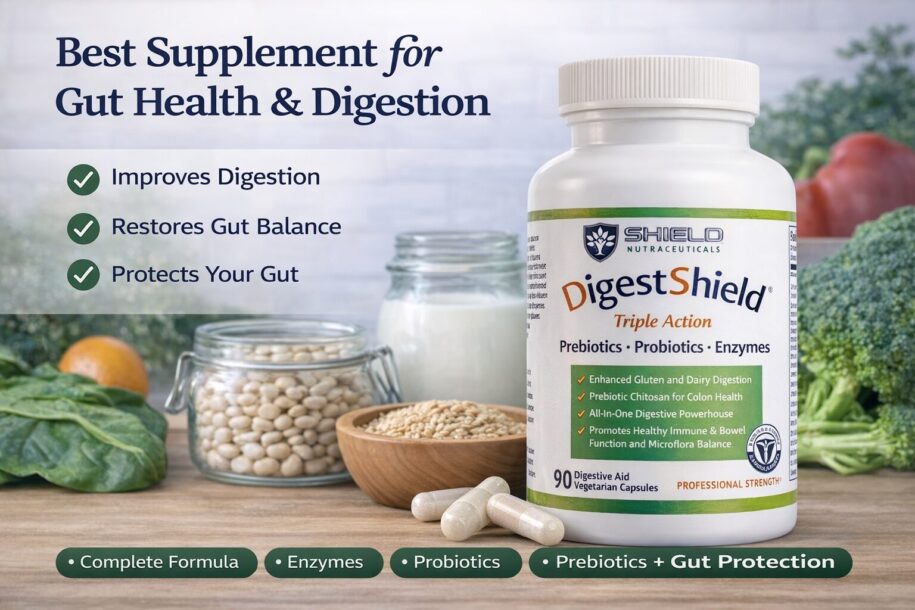
Do you often feel bloated, heavy, uncomfortable, or low on energy after eating? Digestive discomfort has become extremely common today. Many people experience bloating after meals, gas buildup, sluggish digestion, irregular bowel movements, and digestive heaviness without understanding what may actually be causing the problem. Poor digestion is often connected to multiple digestive issues happening at the same time, including: Low digestive enzyme activity Gut microbiome imbalance Poor nutrient absorption Food sensitivities Digestive irritation Sluggish digestion This is why many people are now searching for the best supplements for gut health and digestion instead of relying on temporary digestive solutions. If digestive discomfort after meals is becoming a daily problem, many individuals also explore the best gut health supplement for broader digestive wellness support. What You’ll Learn Why Gut Health Matters Signs Your Gut May Need Support Common Causes of Poor Digestion Best Supplements for Gut Health and Digestion Digestive Enzymes for Food Breakdown Probiotics for Gut Microbiome Balance Prebiotics for Long-Term Gut Support Fiber for Digestive Regularity Gut-Protective Ingredients for Digestive Comfort Why Multiple Supplements Often Fail Best All-in-One Gut Health Solution How DigestShield® Supports Digestion Naturally Benefits of Complete Gut Health Support How to Choose the Right Gut Health Supplement Natural Ways to Improve Digestion Related Gut Health Topics Frequently Asked Questions Why Gut Health Matters Your digestive system affects far more than digestion alone. Healthy gut function may help support: Nutrient absorption Gastrointestinal wellness Immune system balance Energy production Digestive comfort Healthy metabolism Gut microbiome diversity When digestive balance becomes disrupted, symptoms may begin affecting the entire body. Modern digestive research continues exploring the connection between the gut microbiome and mental health as scientists study how digestive balance influences overall wellness. Signs Your Gut May Need Support Your digestive system may need additional support if you frequently experience: Bloating after meals Gas and stomach discomfort Sluggish digestion Constipation or irregular digestion Fatigue after eating Digestive heaviness Food sensitivities Gut discomfort Many people experiencing these symptoms also research signs of poor gut health to better understand digestive imbalance. Common Causes of Poor Digestion Digestive discomfort is rarely caused by only one issue. Several factors may contribute to poor digestive wellness, including: Processed foods Poor eating habits Low digestive enzyme activity Gut microbiome imbalance Stress and lifestyle factors Food sensitivities Digestive inflammation People struggling with bloating after meals frequently explore why they feel bloated after eating to better understand digestive triggers. Best Supplements for Gut Health and Digestion Several digestive wellness ingredients may help support gut balance and digestive comfort naturally. Digestive Enzymes for Food Breakdown Digestive enzymes help support the breakdown of: Proteins Carbohydrates Fats Complex foods This may help support: Easier digestion after meals Reduced bloating Less gas buildup Better nutrient absorption Many people looking to improve food digestion naturally explore how a digestive enzyme supplement may help support digestive comfort. Probiotics for Gut Microbiome Balance Probiotics are beneficial bacteria that help support healthy gut flora diversity. They may help support: Digestive balance Gastrointestinal wellness Gut microbiome diversity Long-term digestive support Many individuals exploring digestive wellness also research the gut microbiome in health and disease to better understand how gut bacteria influence digestion. Prebiotics for Long-Term Gut Support Prebiotics help nourish beneficial bacteria already present in the digestive system. They may help support: Healthy gut environment Probiotic effectiveness Long-term digestive wellness Gut microbiome balance People comparing digestive ingredients frequently explore prebiotic vs probiotic support to understand how both contribute to digestive health. Fiber for Digestive Regularity Fiber plays an important role in digestive wellness and gastrointestinal regularity. Fiber may help support: Smoother digestion Better bowel regularity Reduced constipation Gut microbiome diversity Gut-Protective Ingredients for Digestive Comfort Certain ingredients may help support gut lining balance and digestive comfort naturally. One digestive wellness ingredient gaining attention is mushroom-derived chitosan. Many individuals researching digestive wellness also explore whether lectins damage your gut and how gut protection may influence digestive comfort. Why Multiple Supplements Often Fail Many people try taking separate digestive products such as: Digestive enzymes Probiotics Fiber supplements Gut support ingredients This often leads to: Higher supplement costs Inconsistent digestive support Incomplete digestive coverage Difficulty maintaining a routine Digestive wellness usually improves more effectively when digestion, microbiome balance, and gut protection are supported together. Best All-in-One Gut Health Solution DigestShield® – Complete Gut Health Formula DigestShield® was designed to support multiple digestive functions together in one advanced digestive wellness formula. It combines: Plant-based digestive enzymes Probiotics Prebiotics Mushroom-derived chitosan Gut microbiome support Digestive comfort support This creates a more complete digestive wellness system instead of relying on only one digestive ingredient. People experiencing digestive discomfort after meals also frequently explore the best supplement for bloating and gas for additional digestive support. How DigestShield® Supports Digestion Naturally Supports Better Digestion DigestShield® contains digestive enzymes that help support food breakdown and digestive comfort after meals. This may help support: Reduced bloating Better digestion Less gas buildup Improved nutrient utilization Supports Gut Microbiome Balance DigestShield® combines probiotics and prebiotics to support: Gut flora diversity Gastrointestinal wellness Digestive balance Long-term gut support Many individuals researching digestive wellness also explore how to improve gut microbiome naturally for long-term digestive health. Supports Gut Protection DigestShield® includes mushroom-derived chitosan to help support: Gut lining balance Digestive comfort Gastrointestinal wellness Digestive balance after meals Benefits of Complete Gut Health Support Supporting digestion from multiple angles may help support: Reduced bloating and gas Better digestion after meals Gut microbiome balance Improved nutrient absorption Better digestive comfort Long-term digestive wellness Healthy energy levels Many people comparing digestive support ingredients also explore digestive enzymes vs probiotics to better understand how different digestive ingredients support gut health. How to Choose the Right Gut Health Supplement When choosing a digestive wellness formula, look for support that includes: Digestive enzymes Probiotics and prebiotics Gut protection ingredients High-quality digestive support formula Multiple digestive wellness functions Single-ingredient supplements may not provide complete digestive support. Natural Ways to Improve Digestion Along with digestive wellness supplements, healthy daily habits may help support gut health naturally. Helpful
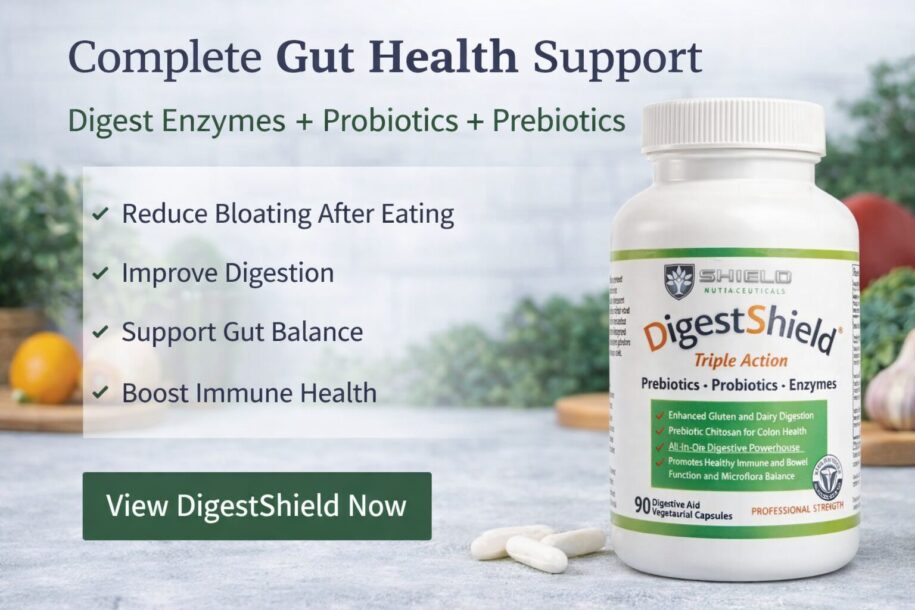
Do Lectins Damage Your Gut?

by in Digestion and Immunity marzo 28, 2026

Have you ever felt bloated, uncomfortable, tired, or heavy after eating foods like beans, grains, legumes, or dairy products? You are not alone. Many people experience digestive discomfort after meals without understanding what may actually be causing it. One topic gaining more attention in digestive wellness discussions is lectins. But the real question is: Do lectins actually damage your gut, or is poor gut health the bigger issue? The answer is more complex than most people think. For many individuals, digestive discomfort is not caused by lectins alone. it is often connected to poor digestion, gut microbiome imbalance, digestive sensitivity, and weakened gut protection. If you regularly experience digestive discomfort after meals, you may also benefit from exploring the best supplement for bloating and gas for more complete digestive support. What You’ll Learn What Are Lectins? Do Lectins Really Damage Your Gut? How Lectins Affect Digestion Lectins and Gut Microbiome Balance Signs Lectins May Be Affecting Your Digestion Why Some People React to Lectins More Than Others Should You Avoid Lectins Completely? How to Support Gut Health Naturally Improve Digestion with Digestive Enzymes Support Gut Balance with Probiotics Protect Your Gut Lining Naturally Mushroom-Derived Chitosan for Gut Protection Best Approach for Lectin Support & Gut Health How DigestShield® Supports Digestive Wellness Natural Ways to Reduce Lectin-Related Discomfort Related Gut Health Topics Frequently Asked Questions What Are Lectins? Lectins are naturally occurring proteins found in many common foods. They are especially present in: Beans and legumes Whole grains Dairy products Some vegetables Seeds and nuts Plants naturally produce lectins as part of their defense system. For most healthy individuals, lectins are not automatically harmful. However, some people may experience digestive discomfort when their gut health is already sensitive or imbalanced. Many people exploring digestive wellness also research the best gut health supplement to better support digestion and gut balance naturally. Do Lectins Really Damage Your Gut? The answer depends largely on your digestive health and gut condition. In sensitive individuals, lectins may contribute to: Digestive irritation Bloating after meals Gas buildup Digestive discomfort Reduced nutrient absorption Gut lining stress However, lectins themselves are not necessarily the main problem. The bigger issue is often: Poor digestion Digestive enzyme deficiency Gut microbiome imbalance Digestive inflammation Food sensitivities Weakened gut lining support This is why some people tolerate lectin-containing foods perfectly, while others experience bloating and digestive discomfort. People struggling with digestive heaviness after meals frequently explore why they feel bloated after eating to better understand digestive triggers. How Lectins Affect Digestion 1. Lectins May Interact with the Gut Lining Certain lectins may attach to the digestive lining in sensitive individuals. This may contribute to: Digestive irritation Gastrointestinal discomfort Digestive inflammation Increased digestive sensitivity 2. Lectins May Increase Digestive Stress When digestion is already weak, lectin-containing foods may become harder to process efficiently. This may contribute to: Slower digestion Increased gas formation Digestive heaviness Bloating after meals Many individuals looking to improve food breakdown naturally explore how a digestive enzyme supplement may help support digestion more effectively. 3. Lectins May Affect Nutrient Utilization Some digestive wellness discussions suggest that lectins may interfere with nutrient absorption in sensitive individuals. This may contribute to: Fatigue Low energy Digestive imbalance Poor nutrient utilization Lectins and Gut Microbiome Balance The gut microbiome plays a major role in how your digestive system responds to foods. A healthy microbiome may help support: Better digestion Food tolerance Gastrointestinal wellness Reduced digestive discomfort Long-term digestive balance When gut microbiome diversity becomes disrupted, the digestive system may become more sensitive to certain foods — including lectin-containing foods. Many people researching digestive wellness explore the gut microbiome in health and disease to better understand how gut bacteria influence digestion. Learning how to improve gut microbiome naturally may also help support long-term digestive wellness. Signs Lectins May Be Affecting Your Digestion You may be more sensitive to lectins if you frequently experience: Bloating after meals Gas and stomach discomfort Digestive heaviness Food sensitivities Fatigue or low energy Irregular digestion Gut discomfort after eating certain foods These symptoms often suggest underlying digestive imbalance rather than lectins alone. Why Some People React to Lectins More Than Others Digestive health varies significantly from person to person. People with stronger digestion and healthier microbiome balance may tolerate lectins much more easily. Others may experience digestive discomfort due to: Poor digestion Low digestive enzyme activity Gut microbiome imbalance Food sensitivities Digestive inflammation Gut lining irritation This is why improving digestive wellness is usually more effective than simply eliminating foods completely. Should You Avoid Lectins Completely? Not necessarily. Many lectin-containing foods are highly nutritious and contain: Fiber Minerals Antioxidants Plant nutrients For most people, improving digestion and gut balance is a better long-term strategy than completely avoiding entire food groups. Many individuals comparing digestive support solutions also research digestive enzymes vs probiotics to understand how different digestive ingredients support gut health. How to Support Gut Health Naturally The most effective digestive wellness approach often combines: Better digestion support Gut microbiome balance Gut lining protection Healthy digestive habits Nutrient absorption support This multi-support strategy may help support digestion more effectively than relying on one single digestive product. Improve Digestion with Digestive Enzymes Digestive enzymes help support the breakdown of: Proteins Carbohydrates Fats Complex foods This may help support: Easier digestion Reduced bloating Less gas buildup Better digestive comfort Many individuals looking for digestive support explore how a digestive enzyme supplement may help improve digestion naturally. Support Gut Balance with Probiotics Probiotics help support healthy gut bacteria and microbiome diversity. They may help support: Digestive balance Gastrointestinal wellness Long-term digestive support Reduced digestive discomfort Many people comparing digestive support ingredients also explore prebiotic vs probiotic support to better understand how both contribute to digestive wellness. Protect Your Gut Lining Naturally Gut lining support plays an important role in digestive wellness. Supporting digestive balance and reducing digestive irritation may help improve: Digestive comfort Food tolerance Gastrointestinal wellness Digestive balance after meals Mushroom-Derived Chitosan for Gut Protection One digestive wellness ingredient gaining more attention

Digestive Enzymes vs Probiotics – Which One Do You Need?

by in Digestion and Immunity marzo 28, 2026

If you constantly feel bloated after eating, experience digestive heaviness, gas buildup, sluggish digestion, or stomach discomfort, you have probably heard about digestive enzymes and probiotics. But many people still feel confused about: What digestive enzymes actually do How probiotics support gut health Which one works better for digestion Whether you should take both together The truth is that digestive issues are rarely caused by only one problem. Poor digestion, microbiome imbalance, food sensitivities, nutrient absorption issues, and gut irritation often happen at the same time. That’s why more people are now searching for complete digestive support instead of relying on only probiotics or single-function supplements. If you regularly struggle with digestive discomfort after meals, you may also benefit from exploring the best supplement for bloating and gas for more complete digestive support. What You’ll Learn Understanding Digestive Enzymes Understanding Probiotics Why Digestive Problems Happen Signs You May Need Digestive Enzymes Signs You May Need Probiotics Digestive Enzymes vs Probiotics – Major Differences Why Most People Need Both Why Single Supplements Often Fail Best Approach for Long-Term Gut Health How DigestShield® Supports Digestion Naturally Benefits of Combining Enzymes & Probiotics Digestive Enzymes or Probiotics — Which Should You Choose? Natural Ways to Improve Digestion Related Gut Health Topics Frequently Asked Questions Understanding Digestive Enzymes Digestive enzymes are natural compounds produced by the body that help break down foods during digestion. They help convert: Proteins into amino acids Carbohydrates into simple sugars Fats into fatty acids Without enough digestive enzyme activity, the digestive system may struggle to properly process food. This may contribute to: Bloating after meals Gas buildup Digestive heaviness Indigestion Sluggish digestion Nutrient absorption issues Many people looking to improve digestion naturally explore how a digestive enzyme supplement may help support food breakdown and digestive comfort. Understanding Probiotics Probiotics are beneficial bacteria that naturally live inside the digestive system. They help support: Gut microbiome balance Gastrointestinal wellness Digestive regularity Healthy gut flora diversity Long-term digestive balance Your digestive system contains trillions of microorganisms that influence digestion and overall digestive wellness. When gut microbiome balance becomes disrupted, digestive issues may begin to develop. Many people interested in microbiome support explore the relationship between the gut microbiome in health and disease to better understand how gut bacteria influence digestion and overall wellness. Why Digestive Problems Happen Digestive discomfort is often caused by multiple digestive issues occurring together. Common contributing factors include: Poor digestion Low digestive enzyme activity Gut microbiome imbalance Processed foods Food sensitivities Digestive inflammation Poor eating habits Stress and lifestyle factors This is one reason many people continue experiencing digestive symptoms even after trying random probiotics or digestive products. People struggling with digestive discomfort frequently research why they feel bloated after eating to better understand what may be triggering digestive heaviness after meals. Signs You May Need Digestive Enzymes You may benefit from digestive enzyme support if you regularly experience: Bloating immediately after meals Gas and indigestion Digestive heaviness Difficulty digesting large meals Sluggish digestion Feeling overly full after eating These symptoms are commonly associated with poor food breakdown and low digestive enzyme activity. Signs You May Need Probiotics You may benefit from probiotic support if you experience: Frequent bloating Digestive imbalance Irregular bowel movements Constipation or diarrhea Gut discomfort Fatigue or low energy Ongoing digestive sensitivity These symptoms may indicate gut microbiome imbalance and reduced digestive wellness. Many individuals exploring digestive wellness also research how to improve gut microbiome naturally for long-term gut balance. Digestive Enzymes vs Probiotics – Major Differences Although both support digestion, digestive enzymes and probiotics work very differently. Digestive Enzymes Probiotics Help break down foods Help support healthy gut bacteria Work during digestion Support long-term microbiome balance Help reduce digestive heaviness Support gastrointestinal wellness Improve food processing Improve gut flora diversity Help nutrient absorption Support digestive balance Digestive enzymes focus on digestion itself, while probiotics focus on supporting the gut environment and microbiome balance. This is why many individuals researching digestive wellness compare digestive enzymes vs probiotics to better understand how both support digestion differently. Why Most People Need Both Most digestive issues are not caused by only one digestive problem. Many people experience: Poor digestion Gut microbiome imbalance Food sensitivities Digestive discomfort Nutrient absorption issues Sluggish digestion At the same time. Supporting only digestion or only gut bacteria may not fully solve the issue. This is why more individuals are now exploring complete digestive wellness support through the best gut health supplement instead of relying on single-function digestive products. Why Single Supplements Often Fail Only Digestive Enzymes Digestive enzymes help support food breakdown but may not fully support microbiome diversity or gut flora balance. Only Probiotics Probiotics help support gut bacteria but may not immediately improve digestion during meals. This is one reason many digestive supplements provide incomplete results. Many people searching for digestive comfort also explore best supplement for bloating and gas for broader digestive wellness support. Best Approach for Long-Term Gut Health The most effective digestive wellness approach usually combines: Digestive enzyme support Probiotic support Prebiotic nourishment Gut microbiome balance Gut lining support Digestive comfort support This multi-support approach helps support digestion from multiple angles instead of focusing on only one digestive issue. People researching digestive balance often compare prebiotic vs probiotic support to better understand how different digestive ingredients work together. How DigestShield® Supports Digestion Naturally DigestShield® was designed to support multiple digestive functions together. Improves Digestion DigestShield® contains digestive enzymes that help support food breakdown and digestive comfort after meals. This may help support: Reduced bloating Less gas buildup Better digestion Improved nutrient absorption Supports Gut Microbiome Balance DigestShield® combines probiotics and prebiotics to help support: Gut flora diversity Gastrointestinal wellness Digestive balance Long-term digestive support Supports Gut Protection DigestShield® includes mushroom-derived chitosan that helps support: Gut lining balance Digestive comfort Gastrointestinal wellness Digestive balance after meals This creates a more complete digestive wellness formula compared to products that only support one digestive function. Benefits of Combining Enzymes & Probiotics A complete digestive wellness approach may help support:

How to Improve Gut Health Naturally (Complete Guide)

by in Digestion and Immunity marzo 28, 2026

Medically reviewed by a licensed gastroenterologist or registered dietitian Written by Steve | Shield Nutraceuticals | Last updated: May 2026 Improving gut health naturally is one of the most powerful investments you can make in your overall wellbeing  and you don’t need complicated treatments or expensive interventions to do it. Your digestive system influences far more than digestion alone: it shapes your immune function, energy levels, mood, skin health, and even how well you sleep. When your gut is thriving, so is the rest of your body. The challenge is that most advice about gut health is either too vague (“eat more fiber”) or too narrow (focusing only on probiotics while ignoring a dozen other factors that matter just as much). This complete guide covers every evidence-backed strategy from what you eat to how you sleep so you can build a genuinely healthier gut, not just feel better temporarily. What You’ll Learn What Is Gut Health — and Why Does It Matter? 12 Proven Ways to Improve Gut Health Naturally Signs Your Gut Needs Support How Long Does It Take to Improve Gut Health? How DigestShield® Supports Natural Gut Health When to See a Doctor About Gut Health Frequently Asked Questions References What Is Gut Health — and Why Does It Matter? Your gut is home to roughly 38 trillion microorganisms bacteria, fungi, and viruses collectively known as the gut microbiome. This complex community functions almost like an organ in its own right, influencing digestion, immune regulation, inflammation, hormone metabolism, neurotransmitter production, and the integrity of the gut lining itself. When your microbiome is diverse, balanced, and well-nourished, you digest food efficiently, absorb nutrients properly, fight off infections more effectively, and maintain stable energy and mood. When it’s disrupted a state scientists call dysbiosis the downstream effects can touch almost every system in your body. Research published in Frontiers in Microbiology (2025) confirmed that lifestyle factors including diet, sleep, and exercise collectively shape microbiome composition and diversity, and that dysbiosis is directly implicated in digestive disorders, metabolic conditions, and immune-related diseases. Understanding what disrupts your gut and what restores it is the foundation of everything else in this guide. Explore the full picture of how gut bacteria influence your health in our detailed overview of the gut microbiome in health and disease. 12 Proven Ways to Improve Gut Health Naturally 1. Eat Fermented Foods Every Day Fermented foods are the single most direct way to introduce beneficial bacteria into your gut. Unlike probiotic supplements, fermented foods deliver live microbial cultures alongside organic acids, enzymes, vitamins, and bioactive compounds that support gut function holistically. A landmark randomized controlled trial published in Cell (Wastyk et al., 2021) found that a diet high in fermented foods significantly increased gut microbial alpha-diversity the marker of a healthy, resilient microbiome — while simultaneously reducing 19 inflammatory proteins including interleukin-6 (IL-6) and tumor necrosis factor-alpha (TNF-α). Notably, a high-fiber diet alone did not produce the same reduction in inflammation, highlighting fermented foods as a uniquely powerful intervention. The best fermented foods for gut health include: Plain yogurt with live cultures — one of the most accessible sources of Lactobacillus acidophilus and Bifidobacterium strains. Choose unsweetened varieties; added sugar feeds harmful bacteria. Kefir — a fermented milk drink with a more diverse microbial profile than yogurt. Studies show kefir improves lactose digestion, reduces gut inflammation, and supports gut barrier integrity. Kimchi — a traditional Korean fermented vegetable dish rich in Lactobacillus plantarum, which has been shown to reduce gut inflammatory markers and support immune function. Sauerkraut — fermented cabbage that delivers both live bacteria and prebiotic fiber. Look for refrigerated, unpasteurised versions shelf-stable sauerkraut has been heat-treated and contains no live cultures. Kombucha — fermented tea containing organic acids, B vitamins, and a range of probiotic strains. Choose versions with low added sugar. Miso and tempeh — fermented soy-based foods rich in beneficial bacteria and easily digestible proteins. Aim for at least one serving of a fermented food daily. Variety matters — rotating between different fermented foods exposes your gut to a wider range of microbial strains. 2. Increase Dietary Fiber — but Do It Gradually Dietary fiber is the primary fuel source for your gut bacteria. When beneficial bacteria ferment fiber in the colon, they produce short-chain fatty acids (SCFAs) particularly butyrate, propionate, and acetate. Butyrate is the preferred energy source for colonocytes (the cells lining your colon), supports gut barrier integrity, and has powerful anti-inflammatory effects throughout the body. The recommended intake is 25–38 grams of fiber per day (25g for women, 38g for men), yet most adults consume only 15–17g daily. Increasing fiber intake gradually by 3–5 grams per week is important to avoid the bloating and gas that can occur when your gut bacteria suddenly have much more fermentable material to process. The most gut-beneficial fiber sources include: Legumes (lentils, black beans, chickpeas) — among the richest fiber sources, with a combination of soluble and insoluble fiber Oats and barley — particularly rich in beta-glucan, a type of soluble fiber that feeds Bifidobacteria and Lactobacilli and has strong immune-supporting effects Vegetables (broccoli, carrots, artichokes, sweet potato) — prebiotic fiber plus polyphenols Fruits (apples, pears, bananas — especially slightly underripe) — resistant starch and prebiotic pectin Chia seeds and flaxseed — excellent sources of soluble fiber that form a gel in the gut, slowing digestion and feeding beneficial bacteria Whole grains (quinoa, brown rice, whole wheat) — complex carbohydrates plus fiber As you increase fiber, increase your water intake simultaneously. Fiber absorbs water, and without adequate hydration, adding fiber can worsen constipation rather than relieve it. 3. Eat a Diverse Range of Plants One of the strongest emerging recommendations in gut health research is to eat at least 30 different plant foods per week. The reasoning is straightforward: different plant species contain different types of fiber and polyphenols, which feed different strains of gut bacteria. A gut microbiome that eats monotonously becomes monotonous itself less diverse and less resilient. A 2023 review of

Why You Feel Bloated After Eating — Causes & Proven Fixes

by in Digestion and Immunity marzo 28, 2026

Medically reviewed by a licensed gastroenterologist | Last updated: May 2026 Written by Steve | Shield Nutraceuticals Feeling bloated after eating even after a small, healthy meal is one of the most frustrating digestive complaints affecting millions of people every day. That uncomfortable fullness, the tight pressure across your abdomen, the gas that won’t quit: it’s not just annoying, it’s a sign your digestive system is struggling. The good news is that bloating after meals is rarely a mystery. Once you understand the real causes which go far beyond “you ate too much” you can take targeted steps to fix it. In this guide, you’ll learn the most common and most overlooked reasons you feel bloated after eating, what competitors and mainstream advice miss entirely, and what actually works to get lasting relief. What You’ll Learn What Is Bloating After Eating? 9 Real Causes of Bloating After Meals Foods That Commonly Trigger Bloating SIBO: The Hidden Cause Most People Miss IBS and Post-Meal Bloating Hormonal Bloating in Women How to Fix Bloating After Eating When to See a Doctor About Bloating How DigestShield® Addresses the Root Causes Frequently Asked Questions What Is Bloating After Eating? Bloating is the sensation of pressure, tightness, or visible swelling in your abdomen that occurs after eating. It can range from mild discomfort to sharp, debilitating pain that affects your daily life. Common signs of post-meal bloating include: A distended or visibly swollen abdomen Pressure or fullness that doesn’t pass quickly Excessive gas, burping, or flatulence Stomach rumbling or gurgling Feeling overfull after eating only a small amount Cramping or dull abdominal pain Occasional bloating after a large or unusual meal is normal. Bloating that happens consistently after most meals, regardless of portion size is a signal that something in your digestive system needs attention. It should not be accepted as “just how my body works.” 9 Real Causes of Bloating After Meals 1. Digestive Enzyme Deficiency One of the most common and under-recognized causes of regular post-meal bloating is a shortage of digestive enzymes. Your body produces enzymes including amylase, lipase, and protease to break down carbohydrates, fats, and proteins respectively. When enzyme production is insufficient, undigested food particles move into the lower digestive tract, where gut bacteria ferment them. That fermentation produces gas, which is what you experience as bloating. Enzyme deficiency can happen naturally with age, after periods of illness, with chronic stress, or due to conditions like exocrine pancreatic insufficiency. Many people find significant relief when they support their body with a targeted digestive enzyme supplement alongside dietary adjustments. 2. Gut Microbiome Imbalance (Dysbiosis) Your gut houses approximately 38 trillion bacteria that play a central role in digesting food, regulating inflammation, and maintaining the gut lining. When the balance between beneficial and harmful bacteria is disrupted a state called dysbiosis several things go wrong simultaneously: fermentation becomes excessive, gas production increases, intestinal motility changes, and the gut lining becomes more permeable. Research published by the National Institutes of Health has linked gut dysbiosis to chronic bloating, gas, abdominal pain, and altered bowel habits. Understanding how to improve your gut microbiome naturally is one of the most important long-term steps you can take for digestive comfort. 3. Eating Too Quickly When you eat fast, two things happen that both cause bloating. First, you swallow excess air (a condition called aerophagia), which accumulates in the digestive tract and causes immediate distension. Second, you bypass the chewing process that begins mechanical and enzymatic digestion in your mouth meaning food arrives in your stomach in larger pieces that are harder to break down efficiently. Aim for at least 20 minutes per meal. Putting your fork down between bites and chewing each mouthful 20–30 times before swallowing is a simple but genuinely effective habit change. 4. Food Sensitivities and Intolerances Food sensitivities are different from true food allergies. They don’t trigger an immune response, but they do trigger digestive distress including bloating, gas, cramping, and loose stools because your body lacks the right enzymes or gut environment to properly process specific compounds. The most common culprits include: Lactose — the sugar in dairy products. Lactose intolerance occurs when the body doesn’t produce enough lactase enzyme to digest it, leading to bacterial fermentation and significant gas. Gluten — found in wheat, barley, and rye. Even people without celiac disease can experience non-celiac gluten sensitivity that causes bloating and digestive discomfort. Fructose and artificial sweeteners — particularly sorbitol, xylitol, and fructose corn syrup, which are poorly absorbed and fermented by gut bacteria. FODMAPs — a group of fermentable carbohydrates (Fermentable Oligosaccharides, Disaccharides, Monosaccharides, and Polyols) found in foods like onions, garlic, apples, beans, and wheat. A low-FODMAP diet has strong clinical evidence behind it for reducing bloating in people with IBS and SIBO. 5. Overeating The stomach has an average capacity of about 1 liter when empty, though it can expand to 4 liters when full. When you regularly eat past your stomach’s comfortable capacity, the resulting distension sends pressure signals through the digestive tract that manifest as bloating. Eating smaller, more frequent meals gives your digestive system time to process food before the next wave arrives. 6. Constipation Constipation is one of the most overlooked causes of chronic bloating. When stool moves too slowly through the colon, gas produced by bacterial fermentation of food has nowhere to go and builds up causing the abdomen to swell and feel tight, often throughout the day. If your bloating is worst in the afternoon and evening and you’re having fewer than three bowel movements per week, constipation may be your primary driver. Increasing fiber intake gradually, staying well hydrated, and including probiotics to support gut motility are all evidence-based approaches to relieving constipation-related bloating. 7. Stress and the Gut-Brain Axis The gut and brain are in constant two-way communication through the vagus nerve a connection known as the gut-brain axis. When you’re stressed, anxious, or in a state of chronic tension, your nervous system shifts into a “fight or

Best Supplements for Bloating and Gas (2026 Guide)

by in Digestion and Immunity marzo 28, 2026

Written by Kimberly Shirley, Health & Wellness Writer Medically Reviewed by Dr. Tom Rogers, MD — Board-Certified Integrative Medicine Physician, Fellowship-Trained Sports Medicine (A4M), MD from East Tennessee State University Quillen College of Medicine. Best Gut Health Supplement 2026: DigestShield® Complete Formula Review If you’ve been searching for the best gut health supplement in 2026, you’ve likely encountered dozens of options promising bloating relief, better digestion, or microbiome balance yet most only address one part of the problem. Probiotics alone can’t break down the food sitting in your gut. Enzymes alone won’t restore your gut flora. And fiber supplements do nothing for food sensitivities or lectin exposure. DigestShield® is different. It is the only gut health supplement that combines 20 plant-based digestive enzymes, 11 probiotic strains, 5 prebiotics, and 200mg of proprietary Ultra-Low Molecular Weight (ULMW) Chitosan a breakthrough ingredient found exclusively in this formula all in a single capsule. It was developed by doctors and clinically evaluated over two years at Integrative Medicine clinics. This guide covers exactly what DigestShield® contains, how it compares to leading competitors like Seed, Physician’s Choice, and Enzymedica, what the clinical research says, and whether it is the right supplement for your situation. If you already know you want to try it, you can order DigestShield® here with free shipping and a 30-day money-back guarantee. Our Verdict: DigestShield® — Best All-in-One Gut Health Supplement 2026 4-in-1 formula (Enzymes + Probiotics + Prebiotics + Chitosan) | Doctor-formulated | $44.99 | Free Shipping | 30-Day Money Back Table of Contents Why Most Gut Health Supplements Fail What Is DigestShield®? (Full Ingredient Breakdown) How DigestShield® Compares to Top Competitors What DigestShield® Helps With The Science Behind the Ingredients How to Take DigestShield® Who Should Use It — and Who Should Not Real Customer Reviews Frequently Asked Questions Where to Buy DigestShield® 1. Why Most Gut Health Supplements Fail Around 40% of people worldwide live with chronic digestive issues bloating, gas, irregular bowel movements, or food sensitivities yet the majority of supplements on the market target only one aspect of digestion. Understanding why you feel bloated after eating usually reveals a multi-factor problem: enzyme deficiency, microbiome imbalance, lectin sensitivity, or gut lining disruption often all at once. Here is how the most common single-ingredient approaches fall short: Probiotics alone Probiotics replenish beneficial bacteria, which matters but they cannot help break down the proteins, fats, and carbohydrates sitting in your digestive tract. Bloating after meals is primarily a digestion failure, and no amount of Lactobacillus will replace the enzymes your body isn’t producing. Digestive enzymes alone Enzymes accelerate food breakdown and provide rapid relief from heaviness and gas after meals. But they do nothing to rebuild long-term gut flora diversity, protect against lectins, or support the gut lining — meaning the underlying imbalance continues. Fiber supplements alone Fiber moves food through the gut but doesn’t improve enzyme activity, probiotic balance, or food sensitivity responses. If you are dealing with more than occasional constipation, fiber alone is unlikely to resolve your symptoms. See our full guide to how to improve gut health naturally for a complete breakdown of what actually works. The bottom line: lasting digestive health requires addressing enzymes, microbiome balance, prebiotic nourishment, and gut lining protection simultaneously — which is exactly what DigestShield® was designed to do. 2. What Is DigestShield®? — Full Ingredient Breakdown DigestShield® is a doctor-formulated, all-in-one digestive health supplement produced by Shield Nutraceuticals in Georgia, USA. Each 90-capsule bottle contains a four-component system: digestive enzymes, probiotics, prebiotics, and ULMW Chitosan. The recommended dose is 1–3 capsules taken 15–30 minutes before a meal. Component 1: 20 Plant-Based Digestive Enzymes DigestShield® contains one of the broadest enzyme profiles available in a single-capsule supplement. These enzymes are derived from plant and microbial sources and are active across a wider pH range than animal-derived enzymes, making them effective throughout the digestive tract. Enzyme Function in Digestion Protease I, II, III Breaks down proteins from meat, gluten, and dairy into amino acids Serrapeptase A powerful proteolytic enzyme that helps digest gluten (gliadin) and reduce gut inflammation Peptidase / DPP-IV Specifically targets casein (dairy protein) and gluten peptides — key for food sensitivities Lipase Breaks down dietary fats into fatty acids for absorption and energy Amylase I & II Converts starches and complex carbohydrates into simple sugars for energy use Glucoamylase Breaks down the bonds in starch that amylase cannot reach Lactase Digests lactose in dairy products — essential for dairy sensitivity Cellulase Breaks down cellulose from plant cell walls and dietary fiber Hemicellulase Assists cellulase in digesting tough plant fiber and legumes Pectinase Digests pectin in fruits and vegetables, reducing fermentation-related gas Xylanase Breaks down xylans in grains and bran — reduces bloating from high-fiber foods Phytase Releases minerals bound by phytic acid in grains and seeds, improving nutrient absorption Beta-Glucanase Digests beta-glucans in oats and barley Alpha-Galactosidase Breaks down complex sugars in beans and cruciferous vegetables (the primary gas-producing foods) Invertase Converts sucrose into glucose and fructose for rapid absorption Bromelain Pineapple-derived enzyme; supports protein digestion and reduces gut inflammation Papain Papaya-derived enzyme; broad-spectrum protein digestion, particularly effective for gluten sensitivity Malt Diastase Converts malt sugars and polysaccharides into digestible sugars Component 2: 11 Probiotic Strains DigestShield® contains a multi-strain probiotic blend selected to support gut microbiome diversity across both the small and large intestine. Research consistently shows that multi-strain formulas outperform single-strain products for overall gut health outcomes. Probiotic Strain Key Benefit Lactobacillus acidophilus Most studied probiotic strain; supports lactose digestion, gut barrier integrity, and vaginal flora balance Lactobacillus rhamnosus Clinically shown to reduce diarrhea duration and support immune function; one of the most researched strains Lactobacillus plantarum Broad-spectrum strain; reduces bloating and IBS symptoms; survives stomach acid well Lactobacillus casei Improves regularity and supports digestion of complex carbohydrates Lactobacillus bulgaricus Traditional fermentation strain; supports lactose digestion and gut flora balance Lactobacillus brevis Produces GABA; supports gut lining; helps reduce gut inflammation Bifidobacterium longum Dominant large intestine strain; reduces constipation and IBS symptoms; supports immune response

Is chitosan an indigestion fiber prebiotic?

by in Digestion and Immunity enero 29, 2026

Chitosan is generally considered an indigestible dietary fiber with emerging but still mixed evidence for true “prebiotic” status in humans. Indigestible fiber aspect Chitosan is a deacetylated chitin derivative that resists digestion by human upper‑GI enzymes, so it behaves as a nondigestible fiber in the small intestine. Like other fibers, it can contribute to bulking and viscosity, and some forms are fermented by colonic microbiota to short‑chain fatty acids (SCFAs). Prebiotic criteria and current data The standard definition of a prebiotic requires selective use by beneficial microbes that confers a health benefit to the host.​ Reviews on chitin/chitosan report that chitosan and chitosan oligosaccharides can modulate microbiota composition (e.g., increasing Bacteroides–Prevotella groups, some butyrate/SCFA producers, or Akkermansia in animal studies). Some authors and manufacturers now describe chitosan as a “prebiotic dietary fiber” because of these microbiota shifts and SCFA production, but findings are not fully consistent and some models show little change. Practical interpretation Functionally, chitosan behaves as an indigestible fiber and in some formulations can support probiotic viability or act as the “prebiotic” component in synbiotic systems (e.g., chitosan‑coated probiotic nanoparticles). Evidence for chitosan as a robust, selective prebiotic (on par with inulin, FOS, GOS) in humans is still developing; it may be more accurate to say it is a nondigestible fiber with potential prebiotic effects, dependent on degree of deacetylation, molecular weight, and dose.

The Most Effective Form of Chitosan for Microplastic Adsorption & Excretion (2026 Scientific Review)

by in Digestion and Immunity diciembre 25, 2025

Evidence-Based Analysis of Chitosan, Gut Health & Microplastic Binding Educational & Scientific Review This article reviews recent scientific discussions and emerging research related to chitosan, microplastic binding, gastrointestinal support, and digestive wellness. This content is educational only and should not be interpreted as medical advice. Executive Summary Microplastics are now found in: drinking water seafood packaged foods air human blood placental tissue lung tissue As concern around environmental toxin exposure grows, researchers are increasingly studying dietary compounds that may help support the body’s natural elimination pathways. Among the most discussed materials is chitosan, a positively charged biopolymer derived from: mushrooms (fungal chitosan) black soldier fly (BSF) sources crustacean shells Recent studies suggest certain forms of chitosan may help: interact with microplastics in the digestive tract support gastrointestinal barrier function contribute to healthier gut balance assist normal digestive elimination However, not all forms of chitosan behave the same way. Research indicates that: molecular weight degree of deacetylation (DDA) purity source material viscosity all influence performance. This review explains: how chitosan behaves as a nondigestible fiber whether it qualifies as a true prebiotic how it may interact with microplastics what current evidence actually supports what consumers should look for in high-quality formulations What Are Microplastics? Microplastics are plastic particles smaller than 5 mm. They originate from: packaging materials synthetic fabrics industrial waste food containers bottled water degraded plastics Researchers now recognize that human exposure occurs continuously through: ingestion inhalation environmental contact Common Sources of Exposure Source Common Plastic Types Bottled Water PET, PP Seafood PE, PET Airborne Fibers Rayon, Polyester Processed Food Packaging Mixed polymers Salt & Drinking Water PE, PP Why Microplastics Matter for Gut Health Emerging research suggests microplastics may influence: gut microbiome balance intestinal barrier function inflammatory signaling digestive comfort Studies have explored associations between microplastics and: GI irritation dysbiosis oxidative stress inflammatory markers This area is still developing, but interest is increasing rapidly. What Is Chitosan? Chitosan is a naturally occurring cationic biopolymer created through the deacetylation of chitin. It contains positively charged amino groups that make it unique among dietary fibers. Common Chitosan Sources Mushroom-Derived Chitosan Often preferred for dietary supplement applications because it is: vegan-friendly allergen-free highly consistent free from marine contaminants Black Soldier Fly (BSF) Chitosan A newer premium source known for: high purity sustainability advanced pharmaceutical applications controlled production conditions Shellfish-Derived Chitosan Historically common, though concerns are increasingly raised regarding: heavy metal contamination risk allergen sensitivity ocean pollutant accumulation Is Chitosan an Indigestible Fiber? Yes. Chitosan is generally considered a nondigestible dietary fiber because human digestive enzymes do not fully break it down in the upper gastrointestinal tract. This allows it to: pass into the intestines largely intact interact with digestive contents contribute to viscosity and gel formation potentially support bowel regularity Like other dietary fibers, some forms may be partially fermented by intestinal microbiota. Is Chitosan a True Prebiotic? This is where scientific discussion becomes more nuanced. Current Scientific Understanding A true prebiotic is generally defined as: A nondigestible compound selectively utilized by beneficial microorganisms that produces a measurable health benefit. Research suggests chitosan and chitosan oligosaccharides may: influence microbiome composition support certain SCFA-producing bacteria contribute to gut microbial diversity support probiotic survival in some formulations However, evidence in humans remains mixed. Most Accurate Interpretation At the present time, the most scientifically accurate description is: Chitosan is a nondigestible fiber with emerging prebiotic potential. It may support microbiome balance, but current evidence is not yet as strong or established as classic prebiotics such as: inulin FOS GOS How Chitosan May Interact With Microplastics One reason researchers are interested in chitosan is its unique positive charge. Microplastics and environmental contaminants may carry: surface oxidation biofilm residues negatively charged compounds This creates the potential for interaction with protonated chitosan. Proposed Mechanisms 1. Electrostatic Interaction Positively charged chitosan may interact with negatively charged surfaces. 2. Hydrogen Bonding Hydroxyl and amino groups may contribute to molecular interactions. 3. Gel Matrix Formation Certain molecular weights of chitosan form viscous gels that may physically entrap particles. 4. Digestive Transit Support The gel structure may help support elimination through the GI tract. Why Molecular Weight Matters Not all chitosan behaves identically. Research frequently highlights: molecular weight degree of deacetylation (DDA) viscosity as critical functional variables. Emerging Optimal Range Many recent studies discussing microplastic interaction focus on: 100–300 kDa molecular weight 85–95% DDA medium-high viscosity systems These specifications appear to balance: stomach solubility gel formation particle entrapment behavior Chitosan as a Gut Support Ingredient Beyond microplastic research, chitosan is increasingly discussed for broader digestive wellness support. Potential functional roles include: digestive comfort gut barrier support microbiome balance regularity support digestive viscosity Some formulations combine chitosan with: probiotics digestive enzymes prebiotics microbiome-support nutrients to create more comprehensive digestive support systems. DigestShield® & Multi-Layered Gut Support DigestShield® is an example of a broader digestive wellness formula that combines: mushroom-derived chitosan digestive enzymes probiotic strains prebiotic compounds The formula is designed to support: digestion after meals microbiome balance digestive comfort broader gut support Formula Highlights 20 digestive enzymes 11 probiotic strains 5 prebiotics mushroom-derived chitosan This combination represents a more modern “gut system” approach rather than relying on a single ingredient. Safety & Source Considerations Why Source Quality Matters Purity is extremely important for dietary chitosan. Consumers should look for: transparent sourcing heavy metal testing COA documentation pharmaceutical or food-grade standards Preferred Dietary Sources Recommended ✔ Mushroom-derived chitosan ✔ BSF insect-derived chitosan More Controversial ⚠ Shellfish-derived chitosan due to: potential heavy metal accumulation allergen concerns variable purity Potential Benefits Beyond Microplastic Research Chitosan research also explores possible roles in: lipid binding digestive support heavy metal interaction gastrointestinal wellness microbiome modulation Additional research is still needed for many applications. Limitations of Current Research Although interest is growing rapidly, important limitations remain. Current Gaps Include: small human trial sizes limited long-term studies limited nanoplastic-specific data variability between chitosan forms inconsistent microbiome findings Future research will likely focus on: standardized formulations long-term safety optimized dosing strategies broader clinical outcomes Practical Consumer Guidance If considering chitosan supplementation,

DigestShield®: The Triple-Action Digestive Supplement Every Household Needs

by in Digestion and Immunity noviembre 1, 2025

If you’ve ever felt bloated, gassy, or sluggish after your favorite meals, you’re not alone. From fast-food lunches to late-night snacks, the modern diet can challenge even the healthiest gut. That’s where DigestShield® by Shield Nutraceuticals steps in a doctor-formulated, clinically evaluated supplement designed to help your body do what it’s meant to do: digest better, absorb more, and feel great. What Is DigestShield®? DigestShield® is a triple-action digestive supplement combining 20 digestive enzymes, 11 probiotic strains, 5 prebiotics, and a powerful chitosan complex all in a single vegetarian capsule. This unique formulation supports your digestive system at every stage, helping you break down fats, carbohydrates, proteins, gluten, and dairy while promoting a balanced gut microbiome. Each capsule delivers: 20 plant-based digestive enzymes to accelerate food breakdown 11 clinically studied probiotics for microbiome balance 5 prebiotics to nourish your good bacteria Chitosan, a natural compound that binds fat, cholesterol, and harmful lectins DigestShield® works quickly and many users notice reduced bloating and gas after their very first meal. How DigestShield® Works: A Triple-Action Formula for Total Gut Support Enzymes: Breaking Down What You Eat DigestShield’s enzyme blend including lactase, protease, lipase, and amylase helps digest hard-to-process foods like dairy, gluten, meat, and fats. That means fewer stomach cramps, less indigestion, and smoother nutrient absorption. Probiotics: Balancing the Gut Microbiome DigestShield® delivers 11 carefully selected probiotic strains to support a healthy gut environment. A balanced microbiome is linked to improved immunity, mental clarity, and overall well-being. Prebiotics: Feeding the Good Guys DigestShield® includes five prebiotic fibers that “feed” your good bacteria keeping them strong enough to crowd out the bad ones. Chitosan: The Secret Fat-Binding Ingredient Derived from natural biopolymers, chitosan binds to dietary fat and harmful lectins during digestion, helping your body excrete them instead of storing them. It also supports colon health and may assist with cholesterol management and weight control when combined with a balanced diet. Why Consumers Love DigestShield® DigestShield® was created for real-life eating habits busy days, diverse meals, and occasional indulgence. Here’s why it’s becoming a household favorite: Reduces bloating, gas, and stomach discomfort after meals Helps digest gluten and dairy ideal for sensitivities Supports fat metabolism and nutrient absorption Promotes a healthy microbiome and immune system Doctor-formulated and clinically evaluated Made in the USA with zero GMOs or artificial fillers DigestShield® gives your digestive system the reinforcement it needs. whether it’s after a protein shake, a family cookout, or a midnight snack. The Science Behind DigestShield® Every capsule of DigestShield® represents years of nutritional science and biochemistry. The formula was built around total digestive harmony combining mechanical breakdown (enzymes), microbial support (probiotics), microbial nutrition (prebiotics), and metabolic protection (chitosan). Clinical and laboratory data show that: Digestive enzymes like lactase and protease significantly reduce post-meal discomfort. Multi-strain probiotics improve gut barrier integrity and immune response. Prebiotics enhance probiotic survival in the gastrointestinal tract. Chitosan can bind up to 5–6 times its weight in dietary fat, supporting healthy lipid metabolism. This synergy makes DigestShield® more than a digestive aid. it’s a daily gut-defense system. When and How to Take DigestShield® Take one capsule before your heaviest meals whether that’s lunch at the office, dinner with friends, or a weekend cheat meal. For larger meals, you can take two capsules, up to three times daily. Pro tip: For best results, pair DigestShield® with a balanced diet, hydration, and moderate exercise. Many users report feeling lighter, less bloated, and more energetic within days. What Makes DigestShield® Different? Feature DigestShield® Typical Digestive Aid 20 enzymes ✔ Included ✖ Usually 3–5 11 probiotics ✔ Included ✖ Limited or none 5 prebiotics ✔ Included ✖ Rarely included Chitosan for fat binding ✔ Unique feature ✖ Not included Doctor formulated ✔ Yes ✖ Often generic Made in USA ✔ Yes Varies DigestShield® stands out as a comprehensive digestive support system, not a quick fix. Frequently Asked Questions Can DigestShield® help with gluten or dairy intolerance? Yes. It contains lactase for dairy digestion and protease/amylase blends that assist in breaking down gluten proteins. Is it safe for daily use? Absolutely. DigestShield® is made from non-GMO, plant-based ingredients and clinically evaluated for safety. Can it help with weight management? While not a “weight-loss pill,” its chitosan content helps bind fat and support metabolic balance, complementing a healthy lifestyle. When will I feel the results? Most users notice improved digestion and reduced bloating within 1–3 days. Does it contain allergens? DigestShield® is free from dairy, gluten, soy, and artificial additives. Why You Should Try DigestShield® Today DigestShield® isn’t just another supplement. it’s a complete digestive-wellness solution trusted by thousands. Whether you want to ease post-meal discomfort, boost nutrient absorption, or support your microbiome, this all-in-one capsule does it all. With: Free U.S. shipping 30-day money-back guarantee Doctor-formulated ingredients Clinically supported results …there’s no reason not to experience the difference for yourself. Order DigestShield® today and feel the results after your very next meal.

Digestive Enzymes for Women: The Natural Solution for Better Gut Health

by in Digestion and Immunity junio 15, 2025

Featuring DigestShield® by Shield Nutraceuticals Inc. – The Women’s Choice for Digestive Comfort Why Women Need Targeted Digestive Enzyme Support Digestive issues affect millions of women in the U.S. daily. From bloating and food sensitivities to inconsistent digestion, these symptoms are not just uncomfortable—they can affect confidence, energy, and health. Unlike one-size-fits-all solutions, digestive enzymes for women offer a tailored approach to support gut function naturally and effectively. Shield Nutraceuticals Inc. has created DigestShield®, a daily supplement designed specifically for women’s digestive health. It contains 20 powerful enzymes, 11 probiotics, and 5 prebiotics, all in one clean, plant-based formula. What Are Digestive Enzymes and Why Do Women Need Them? Digestive enzymes are essential proteins that help break down food into nutrients your body can absorb. However, many women—due to age, diet, stress, or hormonal changes—don’t produce enough. That leads to: Bloating after meals Food intolerances Irregular bowel movements Gas and indigestion Nutrient deficiencies Adding a digestive enzyme supplement for women like DigestShield® can help restore digestive harmony and improve nutrient absorption. The DigestShield® Difference – Ingredients & Their Benefits DigestShield® is doctor-formulated in the USA with high-quality, science-backed ingredients—without fillers, GMOs, or artificial additives. Enzyme Blend – Breaks down a full spectrum of food types: Enzyme Function Protease I–IV Breaks down proteins into absorbable amino acids Lipase Digests fats and oils to reduce greasy stool and bloating Lactase Breaks down lactose (milk sugar) to prevent dairy sensitivity Cellulase Breaks down cellulose from plant fibers for better nutrient access Serrapeptase Reduces inflammation and eases intestinal irritation Amylase I & II Helps digest starches (bread, rice, pasta) into glucose Glucoamylase Converts complex carbs into usable energy Beta-Glucanase Helps digest beta-glucans found in grains and mushrooms Xylanase Breaks down xylan (a plant fiber) to improve fiber tolerance Alpha-Galactosidase Helps prevent gas from beans and cruciferous vegetables Pectinase Breaks down pectin in fruits—eases fruit-related bloating Phytase Increases mineral absorption from seeds and grains Hemicellulase Aids digestion of hard-to-digest plant materials Alpha-Glucosidase Supports glucose metabolism and smoother digestion Lactase Eases lactose digestion and supports dairy tolerance Lipase A second dose ensures full fat digestion Maltase Breaks down malt sugars (found in processed foods) Invertase Helps digest natural and added sugars Sucrase Converts sucrose into glucose and fructose for energy Diastase Assists starch-to-sugar conversion for energy stability Prebiotic + Herbal Blend – Nourishes gut flora and calms the gut: Ingredient Function Chitosan Oligosaccharide Binds harmful lectins and supports the gut lining Fructo oligosaccharides (FOS) Acts as food for beneficial gut bacteria Alfalfa (leaf & stem) Provides chlorophyll and antioxidants for gut cleansing Amla Extract (Emblica officinalis) Rich in vitamin C; supports immune and digestive function Papaya Juice Powder Contains papain enzyme to break down proteins and ease digestion Fulvic Acid Enhances nutrient absorption and detoxification Ionic Minerals Supports enzyme activity and overall metabolic balance Result: Improved gut ecology, reduced intestinal irritation, and stronger resilience after antibiotics or dietary shifts. Probiotic Blend (11 Strains) – Supports microbiome balance: Probiotic Strain Function L. acidophilus Supports vaginal and intestinal health L. casei Enhances lactose digestion and immune response L. rhamnosus Helps reduce IBS symptoms and supports regularity L. brevis Aids nutrient absorption and reduces inflammation L. plantarum Helps restore gut flora post-antibiotics L. salivarius Supports oral and GI health S. thermophilus Promotes lactose breakdown and immune modulation Bifidobacterium strains (B. lactis, B. longum) Improve bowel function and reduce inflammation S. boulardii A non-pathogenic yeast that combats bad bacteria and diarrhea Result: A strong, diverse gut microbiome for consistent, comfortable digestion. 7 Signs You May Need Digestive Enzymes as a Woman You feel bloated after even healthy meals You experience food sensitivities (especially dairy or beans) You have inconsistent or sluggish bowel movements You feel gassy, distended, or uncomfortable post-meals You notice fatigue or brain fog after eating You’ve been on antibiotics recently You eat well but still lack energy or glow DigestShield® is one of the most complete digestive enzyme supplements for women, providing enzyme, probiotic, and prebiotic support in one daily capsule. Key Benefits for Women Promotes digestion of dairy, gluten, fats, and plant fibers Reduces bloating, gas, and heaviness after eating Supports nutrient absorption for clearer skin, stronger hair, and immunity Helps balance the gut during hormonal shifts (PMS, pregnancy, menopause) Aids regular, comfortable elimination without harsh laxatives Who Should Take DigestShield®? DigestShield® is ideal for women who experience: Bloating, gas, or sluggish digestion Food reactivity (beans, dairy, wheat, fiber) Irregular bowel movements Nutrient deficiencies Gut imbalance post-antibiotics It’s safe for daily, long-term use, and suitable for women 18+ of all lifestyles—including vegans and gluten-free diets. How to Use DigestShield® Take 1 capsule with your largest meal of the day For high-protein or heavy meals, take 1 capsule per meal Consistent use yields best results Safe to combine with multivitamins or probiotics What Women Are Saying “No more bloating after dinner. DigestShield® gave me energy, comfort, and confidence again.”– ⭐⭐⭐⭐⭐ Marissa T., Austin TX “Love that it includes prebiotics and enzymes in one capsule. No fillers, no nonsense—just results.”– ⭐⭐⭐⭐⭐ Danielle S., Seattle WA DigestShield® vs Other Enzyme Products Feature DigestShield® Other Brands 20+ Digestive Enzymes ✅ ❌ Often 5–10 only 11 Probiotic Strains ✅ ❌ Usually 1–3 5 Prebiotics + Botanicals ✅ ❌ Minimal or none Made for Women’s Digestive Needs ✅ ❌ Not gender-aware Gluten-Free, Non-GMO, No Fillers ✅ ❓ Varies Made in USA, Doctor-Formulated ✅ ❓ Sometimes Where to Buy DigestShield® for Women Order online at:  https://shieldnutra.com/product/digestshield/ Free shipping on all U.S. orders 30-day money-back guarantee Ships fast from the USA Subscribe & Save options available The Digestive Enzyme Women Deserve Digestive discomfort can disrupt your life—but it doesn’t have to. DigestShield® by Shield Nutraceuticals Inc. is the best digestive enzyme supplement for women, supporting everything from nutrient absorption and bloating relief to gut flora balance and comfort. Trusted by thousands of women across America Doctor-formulated | Plant-based | Made in the USA Feel better after every meal. Feel confident. Feel balanced. Feel DigestShield®.

    ES

    Better Digestion, More Savings!

    Take the first step towards a happier gut. Get 5% de descuento your next purchase of DigestShield.