Why DigestShield® Works: The Science Behind Better Digestion, Less Bloating & Daily Gut Support
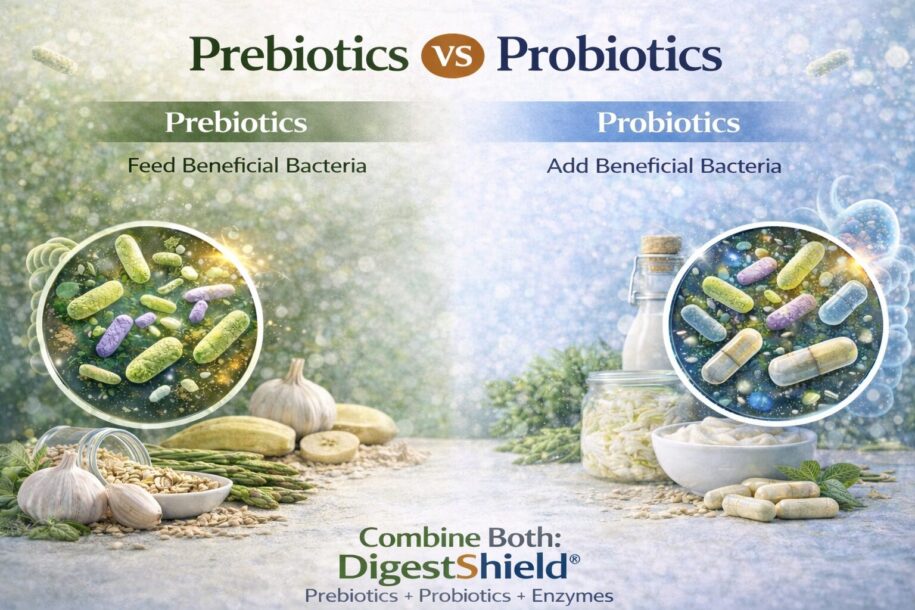
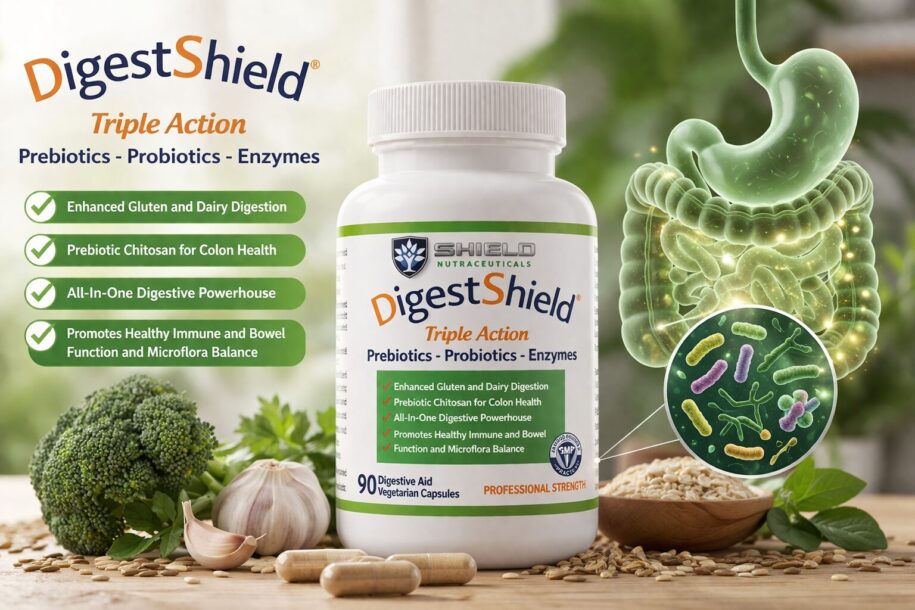
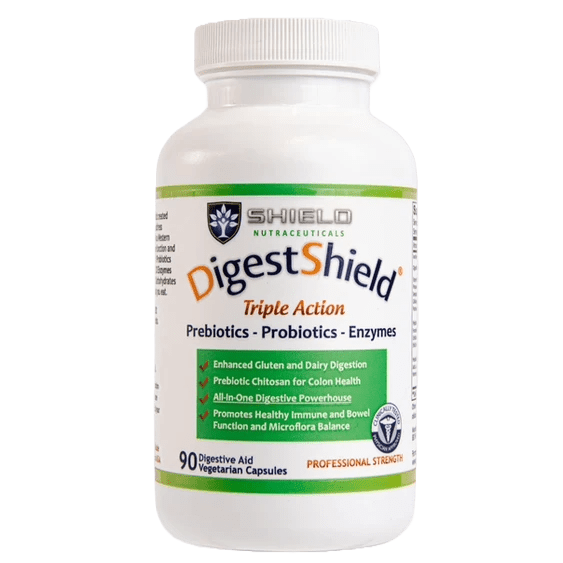
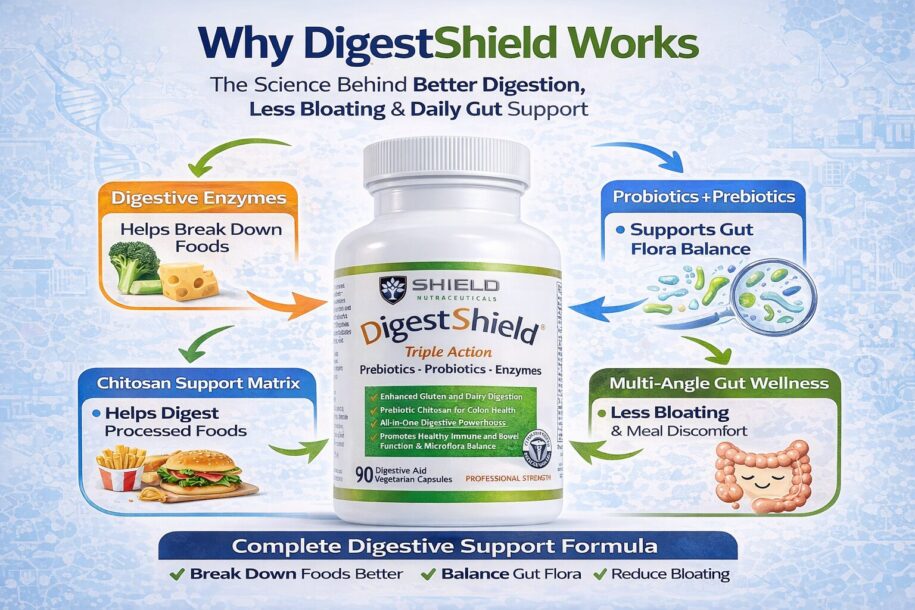
By Shield Nutraceuticals If you’ve tried random probiotics, digestive teas, or enzyme pills and still feel bloated, uncomfortable, or sluggish after meals, you may be asking: Why does DigestShield® work when other digestive supplements fail? The answer is simple. Most digestive products target only one part of the problem. DigestShield® was designed to support digestion from multiple angles at the same time. That means instead of relying on one ingredient or one strain, DigestShield® combines systems that help support: Food breakdown Healthy gut bacteria balance Reduced bloating after meals Better nutrient utilization More regular digestion Greater comfort with common foods This complete approach is why so many users choose DigestShield® by Shield Nutraceuticals for daily digestive wellness. Why Many Digestive Supplements Fail A lot of products only contain: Probiotics only Enzymes only Fiber only Single-herb formulas These may help some people, but many digestive complaints involve multiple causes at once. For example, bloating may come from: Poor digestion of food Imbalanced gut bacteria Heavy meals Dairy or gluten discomfort Slow digestion Gut irritation If one product only solves one issue, results may be limited. That’s where DigestShield® is different. Why DigestShield® Works Better DigestShield® is built around a multi-action digestive support formula. Instead of focusing on one pathway, it combines several types of support into one daily supplement. DigestShield® Supports 4 Key Areas: 1. Digestive Enzymes Digestive enzymes help break down: Proteins Carbohydrates Fats Complex meals When food is broken down more efficiently, many people feel less heaviness and less discomfort after meals. This is one reason users report feeling better after eating. 2. Probiotics for Gut Balance The gut contains trillions of bacteria that influence digestion, comfort, and wellness. DigestShield® includes probiotic support to help maintain a healthier digestive environment. Balanced gut flora may support: Regular digestion Less occasional gas Better bowel consistency General gut health If you are searching for the best probiotic for digestion, DigestShield® offers more than probiotics alone. 3. Prebiotics for Feeding Good Bacteria Probiotics need fuel. That’s why DigestShield® also includes prebiotic support, which helps nourish beneficial bacteria already living in the gut. This creates a stronger long-term digestive strategy than probiotics alone. 4. Chitosan-Based Support Matrix DigestShield® also includes a specialized support approach featuring chitosan as part of the overall formula. This makes DigestShield® unique compared with many standard gut supplements. Why DigestShield® Works for Bloating Bloating often happens when food sits too long or is not broken down efficiently. DigestShield® helps by supporting: Better digestion of meals Improved gut balance Less fermentation discomfort More efficient food processing That is why many customers use it as a bloating relief supplement. Why DigestShield® Works for Heavy Meals Many people feel worst after: Pizza Dairy Restaurant food Fried meals Rich desserts Processed foods These foods can be harder to digest. DigestShield® helps support the digestive process when taken consistently or around meals as directed. Why DigestShield® Works for Gluten & Dairy Discomfort Support Some users report better comfort with foods containing gluten or dairy. This may be because DigestShield® supports: Meal breakdown Digestive efficiency Less post-meal heaviness Better overall gut resilience DigestShield® is not a treatment for allergies or celiac disease, but many customers use it as part of digestive support. Why DigestShield® Works for Daily Gut Health Even if you don’t have severe symptoms, digestion affects how you feel every day. Poor digestion may lead to: Bloating Sluggishness Irregularity Food discomfort Feeling heavy after meals DigestShield® helps support daily digestive performance so you can feel lighter and more comfortable. Why Customers Notice Results Customers often report benefits such as: ✔ Less bloating after meals✔ Better digestion✔ More regularity✔ Reduced heaviness✔ Improved comfort with foods✔ Daily gut confidence Results vary by person, but the reason many people notice improvement is the multi-system design. DigestShield® vs Single-Ingredient Products Standard Probiotic Only Supports bacteria only. Standard Enzyme Only Supports food breakdown only. Fiber Only Product Supports bulk and regularity only. DigestShield® Supports: ✔ Enzymes✔ Probiotics✔ Prebiotics✔ Multi-angle digestive wellness That is why DigestShield® can be more effective for people with multiple digestive complaints. Who DigestShield® May Help DigestShield® may be a good option for adults who want support with: Bloating after meals Gas discomfort Slow digestion Heavy meals Irregular digestion General gut health Everyday digestive balance Why Shield Nutraceuticals Created DigestShield At Shield Nutraceuticals, we believe wellness formulas should solve real problems—not just follow trends. DigestShield® was developed to give people a more complete solution than the typical one-angle digestive supplement. Instead of guessing which product you need, DigestShield® combines multiple supports into one formula. DigestShield® works because digestion is complex. One ingredient often isn’t enough. DigestShield® combines: Digestive enzymes Probiotics Prebiotics Multi-action gut support This comprehensive strategy helps explain why so many users report better digestion, less bloating, and more daily comfort. Try DigestShield® Today If you’re tired of bloating, food discomfort, or supplements that don’t do enough, it may be time to try a smarter solution. Choose DigestShield® by Shield Nutraceuticals today.