

Search “best prebiotic brand” and you’ll find dozens of lists.
Most of them focus on:
But they ignore what actually matters:
real results inside your gut
That’s why many people try prebiotics and still experience:
If you already have symptoms, start here – digestive issues after eating
The best prebiotic brand is not defined by fiber alone.
It should:
In practice, the most effective solutions are not prebiotics alone, but part of a broader gut health system.
Not all fibers function the same way.
Clinically studied prebiotics include:
These compounds act as selective fuel for beneficial microbes.
A common issue with prebiotics is poor tolerance.
Some users experience:
This often happens when:
A good prebiotic should be effective but well-tolerated.
Prebiotics should not just “add fiber.”
They should:
This is what drives real health outcomes.
These are beneficial for daily gut support.
Supplements provide:
However, supplements are most effective when used as part of a complete gut strategy.
Prebiotics are not instant.
Typical timeline:
Consistency is critical for results.
Some users may experience:
This usually occurs when:
Starting with a lower dose helps improve tolerance.
Synbiotics = prebiotics + probiotics
This combination:
Research increasingly supports synbiotics as a more effective approach than single-ingredient supplements.
They provide:
But they often fail because:
They introduce bacteria…
But without prebiotics:
| Brand | Type | Includes Probiotics | Includes Enzymes | Best For |
|---|---|---|---|---|
| Seed | Synbiotic | Sí | No | Microbiome balance |
| Ritual Synbiotic+ | Synbiotic | Sí | No | Daily gut support |
| Garden of Life | Fiber blends | Some | No | General digestion |
| Standard Prebiotic Brands | Fiber only | No | No | Limited support |
Most products do not address digestion directly
The most effective strategy combines:
This creates:
Even with the best prebiotic:
If food is not properly digested:
This is why many people fail with prebiotics alone.
Instead of focusing only on a “prebiotic brand,”
A more effective approach is choosing a system that:
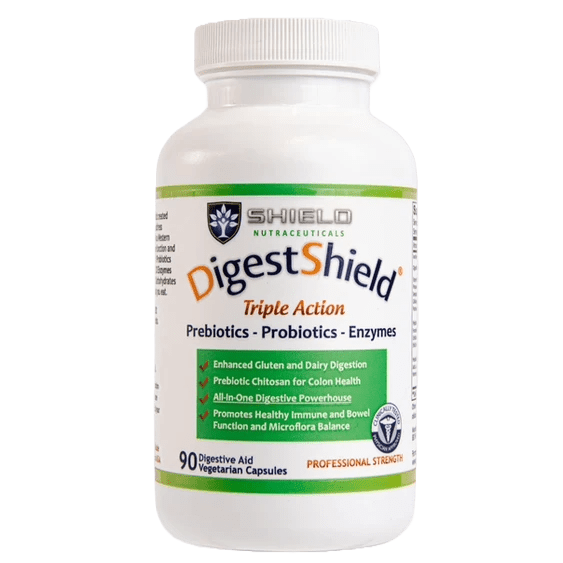
DigestShield® follows this complete approach by combining:
This aligns with the synbiotic + digestive support model
With a complete gut support system:
Explore the full solution: best gut health supplement
Prebiotics are especially helpful if you:
Learn more: signs of poor gut health
There is no single “best prebiotic brand” for everyone.
But the best-performing solutions share common traits:
The most effective results come from complete gut support, not isolated ingredients.
If you are dealing with:
It is time to address the root cause.
A complete approach that includes:
will deliver better and more consistent results.
What is the best prebiotic brand?
The best option depends on formulation quality, tolerance, and whether it supports overall gut function.
Are prebiotics better than probiotics?
They serve different roles. Both are needed for optimal gut health.
What are synbiotics?
Synbiotics combine prebiotics and probiotics for enhanced effectiveness.
How long do prebiotics take to work?
Typically 2–4 weeks with consistent use.

Etiam magna arcu, ullamcorper ut pulvinar et, ornare sit amet ligula. Aliquam vitae bibendum lorem. Cras id dui lectus.
63739 street lorem ipsum City, Country
+12 (0) 345 678 9
info@company.com
Take the first step towards a happier gut. Get 5% de descuento your next purchase of DigestShield.