Best Prebiotic Supplement Reviews: What Actually Works for Gut Health, Digestion & Bloating

by in Digestion and Immunity April 16, 2026

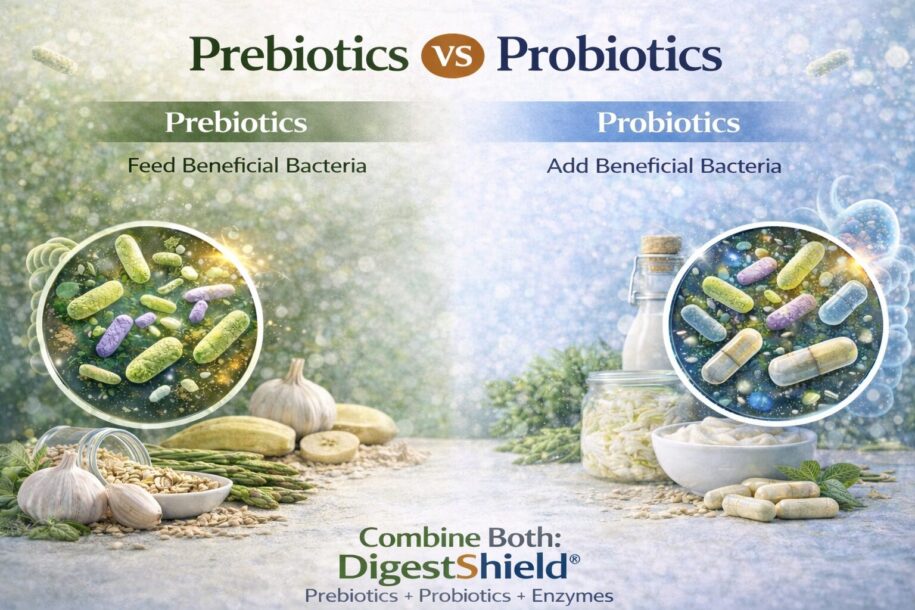
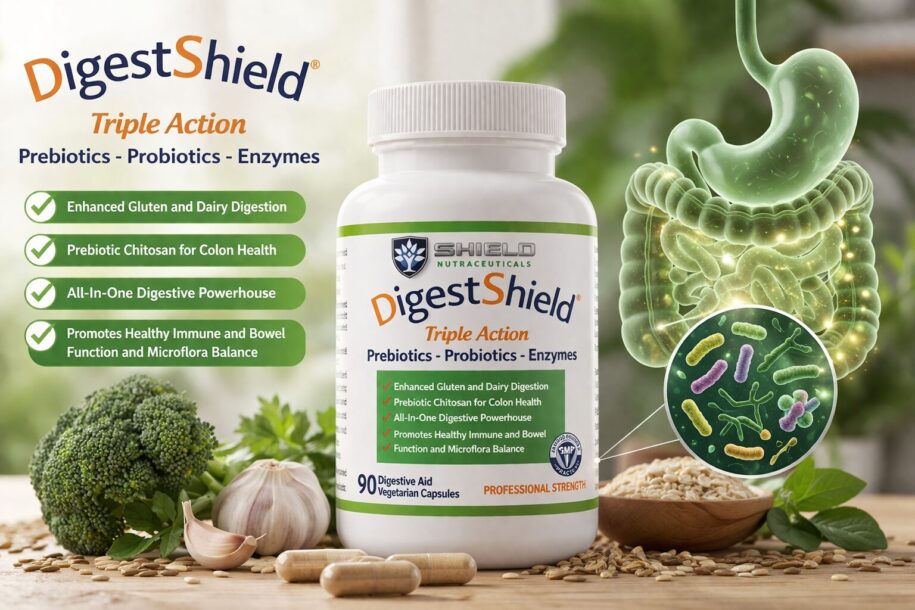
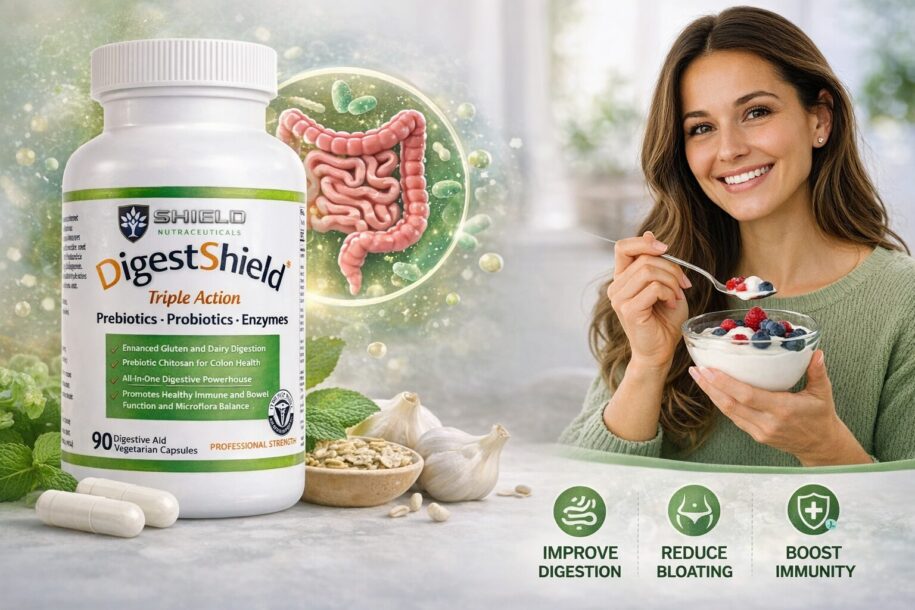
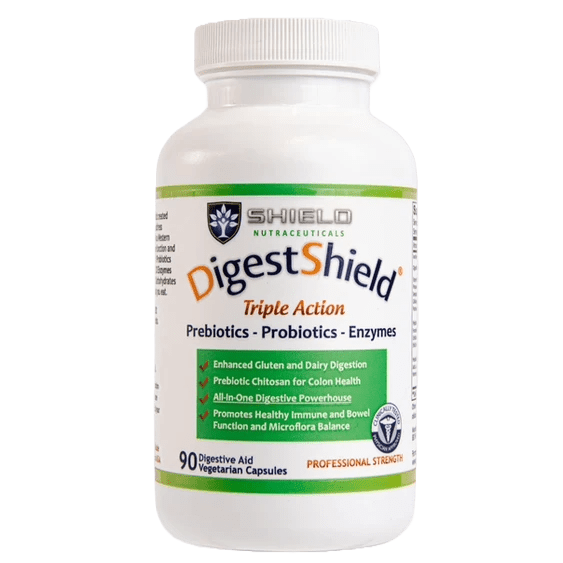
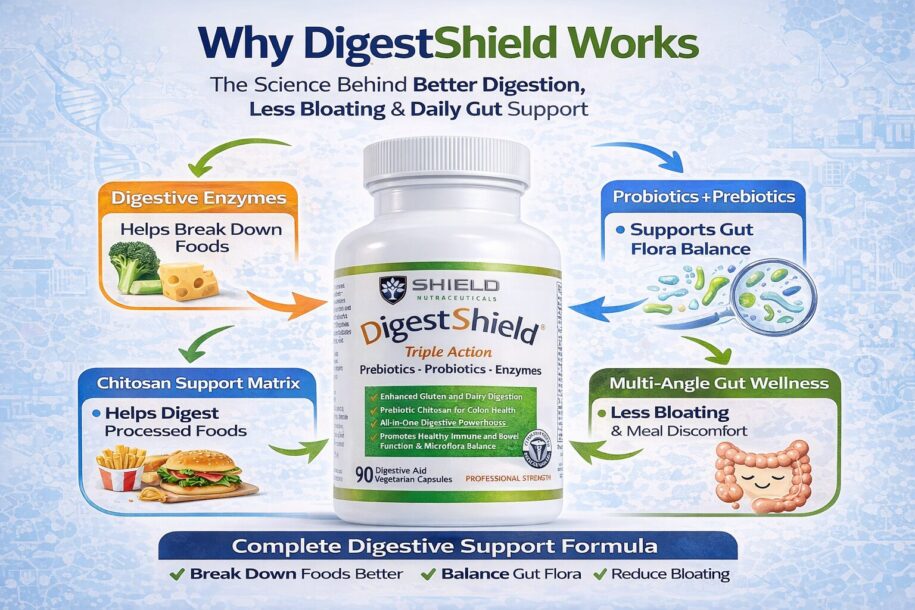
Most “Best Prebiotic” Lists Are Misleading Search “best prebiotic supplement reviews” and you’ll see dozens of articles. Most focus on: fiber content brand popularity generic benefits But they ignore what actually determines results: how well your body digests food how balanced your gut microbiome is whether ingredients work together That’s why people take prebiotics… …and still struggle with: bloating gas slow digestion If you’re already experiencing symptoms, Start with digestive issues after eating What Is the Best Prebiotic Supplement? The best prebiotic supplement is not just a fiber product. It should: support beneficial gut bacteria (Bifidobacteria, Lactobacillus) be easy to digest (low bloating risk) work together with probiotics improve overall gut function In real-world results, the most effective solutions are synbiotic formulas combined with digestive enzymes What Is a Prebiotic Supplement? A prebiotic supplement contains non-digestible fibers that feed beneficial bacteria in your gut. Unlike probiotics (which add bacteria), prebiotics: stimulate growth of good bacteria improve gut microbiome balance support digestion and nutrient absorption Common prebiotic ingredients include: inulin FOS (fructooligosaccharides) GOS (galactooligosaccharides) Prebiotic vs Probiotic: What’s the Difference? This is where most people get confused. Prebiotics feed beneficial bacteria improve bacterial activity Probiotics add live beneficial bacteria restore microbiome balance Synbiotics combine both for better results The best supplements combine prebiotics + probiotics for maximum effectiveness. How We Evaluated These Supplements To create this best prebiotic supplement reviews (2026) list, we analyzed: type of prebiotic fibers (inulin, FOS, GOS) digestive tolerance (bloating risk) inclusion of probiotics (synbiotic support) inclusion of digestive enzymes real-world effectiveness Best Prebiotic Supplement Reviews 1. Seed Synbiotic Type: Synbiotic (prebiotic + probiotic) Pros: strong microbiome research backing clinically formulated strains Cons: no digestive enzymes higher price Best For: Long-term microbiome balance 2. Ritual Synbiotic+ Type: Synbiotic Pros: delayed-release capsule technology clean ingredient profile Cons: limited digestive support slower results for gut issues Best For: Daily maintenance 3. Garden of Life Prebiotic Fiber Type: Prebiotic fiber blend Pros: affordable widely available Cons: fiber-only approach may cause bloating Best For: Basic fiber support 4. DigestShield® (Complete Gut Support System) Type: Prebiotic + Probiotic + Digestive Enzymes Why DigestShield® Outperforms Most Prebiotic Supplements Most supplements focus on only one part of gut health. DigestShield® addresses all three: Prebiotics→ feed beneficial bacteria Probiotics→ restore microbiome balance Digestive Enzymes→ improve food breakdown and nutrient absorption The Critical Problem Most Competitors Ignore Here’s the biggest gap in the market: Even the best prebiotic will fail if digestion is weak. If food is not properly broken down: bacteria cannot function effectively fermentation increases bloating continues This is why many people don’t get results from prebiotic-only supplements. Scientific Insight (What Actually Works) Research consistently shows: prebiotics increase beneficial bacteria probiotics restore gut balance combining both improves outcomes Adding digestive enzymes: reduces digestive stress improves nutrient absorption lowers bloating risk Best Prebiotic Supplements Product Type Probiotics Enzymes Best For Seed Synbiotic Yes No Microbiome balance Ritual Synbiotic Yes No Daily support Garden of Life Prebiotic No No Fiber DigestShield® Complete system Yes Yes Full gut optimization Best Prebiotic for Bloating and Gas Not all prebiotics work well for sensitive digestion. Better options: low-dose inulin GOS resistant starch May cause issues: high-dose fiber blends  If you experience bloating, the problem is often digestion — not just fiber How Long Do Prebiotics Take to Work? 3–7 days → initial gut changes 2–4 weeks → noticeable improvement 6–8 weeks → stable gut balance  Faster results happen when digestion is properly supported. Do Prebiotics Cause Side Effects? Possible side effects include: gas bloating mild discomfort This usually happens when: dosage is too high digestion is weak gut imbalance is severe What Actually Works (Most Important Insight) Most people make this mistake: using only prebiotics or only probiotics This leads to incomplete results. The Most Effective Approach prebiotics → feed bacteria probiotics → restore bacteria digestive enzymes → improve digestion This combination creates a stable, high-functioning gut system Real Benefits You Can Expect With a complete gut support system: reduced bloating after meals smoother digestion improved gut balance better energy levels less discomfort Who Should Use a Prebiotic Supplement? You may benefit if you experience: bloating after eating gas and discomfort slow digestion irregular bowel movements Learn more: signs of poor gut health Common Mistakes to Avoid choosing based on price only using fiber-only supplements ignoring digestion issues expecting instant results Best Prebiotic Supplement (2026) There is no single “best prebiotic supplement” for everyone. But the most effective solutions include: clinically supported ingredients good digestive tolerance microbiome support a complete system approach The best-performing supplements go beyond prebiotics and support the entire digestive process. If you’ve tried prebiotics and still feel: bloated uncomfortable slow after eating That’s not just a fiber problem. It’s a digestion + microbiome issue Most supplements ignore this. DigestShield® is designed to fix all three: digestion gut bacteria nutrient absorption Start with a complete solution here: best gut health supplement

What Is the Best Brand of Prebiotic?

by in Digestion and Immunity April 11, 2026

Let’s Be Honest First Search “best prebiotic brand” and you’ll find dozens of lists. Most of them focus on: fiber content brand popularity generic benefits But they ignore what actually matters: real results inside your gut That’s why many people try prebiotics and still experience: bloating poor digestion slow or no improvement If you already have symptoms, start here – digestive issues after eating What Is the Best Prebiotic Brand? The best prebiotic brand is not defined by fiber alone. It should: selectively feed beneficial bacteria (like Bifidobacteria) support digestion without causing excessive gas work effectively with probiotics improve overall gut function In practice, the most effective solutions are not prebiotics alone, but part of a broader gut health system. What Makes a High-Quality Prebiotic? 1. Type of Prebiotic Fiber Not all fibers function the same way. Clinically studied prebiotics include: Inulin – supports beneficial bacteria growth FOS (Fructooligosaccharides) – improves gut microbiota balance GOS (Galactooligosaccharides) – promotes Bifidobacteria Resistant starch – supports microbial diversity These compounds act as selective fuel for beneficial microbes. 2. Digestive Tolerance A common issue with prebiotics is poor tolerance. Some users experience: gas bloating discomfort This often happens when: the gut microbiome is already imbalanced digestion is weak A good prebiotic should be effective but well-tolerated. 3. Microbiome Impact Prebiotics should not just “add fiber.” They should: increase beneficial bacteria improve microbiome diversity support gut lining function This is what drives real health outcomes. Prebiotic Foods vs Supplements Natural Prebiotic Foods garlic onions bananas oats asparagus These are beneficial for daily gut support. Prebiotic Supplements Supplements provide: concentrated doses targeted effects consistent intake However, supplements are most effective when used as part of a complete gut strategy. How Long Do Prebiotics Take to Work? Prebiotics are not instant. Typical timeline: 3–7 days → initial microbiome changes 2–3 weeks → noticeable digestion improvement 4+ weeks → stable gut balance Consistency is critical for results. Side Effects of Prebiotics Some users may experience: bloating gas mild discomfort This usually occurs when: dosage is too high gut bacteria are imbalanced Starting with a lower dose helps improve tolerance. What Are Synbiotics? Synbiotics = prebiotics + probiotics This combination: improves survival of beneficial bacteria enhances gut microbiome diversity delivers faster and more stable results Research increasingly supports synbiotics as a more effective approach than single-ingredient supplements. The Problem With Most “Top Prebiotic Brands” Prebiotic-Only Products They provide: fiber limited microbiome support But they often fail because: no new bacteria are introduced digestion issues remain unresolved Probiotic-Only Products They introduce bacteria… But without prebiotics: bacteria struggle to survive long-term impact is limited Popular Prebiotic Brands Brand Type Includes Probiotics Includes Enzymes Best For Seed Synbiotic Yes No Microbiome balance Ritual Synbiotic+ Synbiotic Yes No Daily gut support Garden of Life Fiber blends Some No General digestion Standard Prebiotic Brands Fiber only No No Limited support Most products do not address digestion directly What Actually Works (Scientifically Aligned Approach) The most effective strategy combines: prebiotics → feed beneficial bacteria probiotics → restore gut microbiota digestive enzymes → improve food breakdown This creates: better nutrient absorption reduced digestive stress improved microbiome stability Why Digestion Matters More Than Most People Think Even with the best prebiotic: If food is not properly digested: bacteria cannot function efficiently fermentation increases → bloating nutrients are not absorbed This is why many people fail with prebiotics alone. A More Complete Gut Health Approach Instead of focusing only on a “prebiotic brand,” A more effective approach is choosing a system that: supports digestion restores microbiome balance sustains long-term gut health Where DigestShield® Fits In DigestShield® follows this complete approach by combining: prebiotics → support beneficial bacteria probiotics → restore gut balance digestive enzymes → improve digestion This aligns with the synbiotic + digestive support model Benefits You May Notice With a complete gut support system: reduced bloating smoother digestion improved gut balance better energy levels Explore the full solution: best gut health supplement Who Should Consider Prebiotic Support? Prebiotics are especially helpful if you: experience bloating after meals have irregular digestion have taken antibiotics want to improve gut health long-term Learn more: signs of poor gut health Common Mistakes to Avoid choosing based on price only relying on prebiotics alone ignoring digestion issues expecting instant results There is no single “best prebiotic brand” for everyone. But the best-performing solutions share common traits: clinically supported ingredients good digestive tolerance microbiome impact combination approach The most effective results come from complete gut support, not isolated ingredients. If you are dealing with: bloating after meals gas and discomfort slow digestion It is time to address the root cause. A complete approach that includes: prebiotics probiotics digestive enzymes will deliver better and more consistent results. FAQ What is the best prebiotic brand?The best option depends on formulation quality, tolerance, and whether it supports overall gut function. Are prebiotics better than probiotics?They serve different roles. Both are needed for optimal gut health. What are synbiotics?Synbiotics combine prebiotics and probiotics for enhanced effectiveness. How long do prebiotics take to work?Typically 2–4 weeks with consistent use.

Prebiotic vs Probiotic: What’s the Difference & What Actually Works?

by in Digestion and Immunity April 11, 2026

Confused About Prebiotics and Probiotics? If you’re trying to improve your gut health, you’ve probably heard of: probiotics prebiotics But here’s the problem: Most people don’t understand how they work together. As a result: they choose the wrong supplement see slow results continue experiencing bloating and discomfort If you’re already struggling with digestion, start here – digestive issues after eating Prebiotic vs Probiotic Probiotics are live beneficial bacteria that support gut balance.Prebiotics are non-digestible fibers that feed those bacteria. Probiotics → add good bacteria Prebiotics → help them grow and survive Best results come from using both together. What Are Probiotics? Probiotics are live microorganisms that, when consumed in adequate amounts, provide health benefits, particularly by improving gut microbiota composition. They play a key role in: digestion immune system regulation nutrient absorption gut barrier protection Benefits of Probiotics Clinical and nutritional studies suggest probiotics may: reduce bloating and gas support digestion improve gut microbiome balance enhance immune response If you’re choosing a supplement – best probiotic for digestion Natural Sources of Probiotics yogurt kefir kimchi sauerkraut These introduce beneficial bacteria into the gut ecosystem. What Are Prebiotics? Prebiotics are non-digestible dietary fibers that stimulate the growth and activity of beneficial bacteria in the gut. Unlike probiotics, they do not contain bacteria. Instead, they fuel existing good bacteria. Benefits of Prebiotics Prebiotics help: increase beneficial bacteria (e.g., Bifidobacteria) improve probiotic survival enhance digestion over time support long-term gut health Natural Sources of Prebiotics garlic onions bananas oats asparagus Without prebiotics, probiotics struggle to survive. Prebiotic vs Probiotic: Key Differences Feature Probiotics Prebiotics Definition Live beneficial bacteria Fiber that feeds bacteria Function Add new bacteria Support existing bacteria Speed Faster symptom relief Long-term support Role Restore balance Strengthen microbiome Simple analogy: Probiotics = seeds Prebiotics = fertilizer You need both for results. What Are Synbiotics? This is what most people miss. Synbiotics = combination of prebiotics + probiotics Scientific research shows that combining both: improves gut microbiome diversity enhances digestion increases probiotic survival This is considered the most effective approach for gut health optimization. Why Using Only One Doesn’t Work Only Probiotics bacteria added but no food → weak survival Only Prebiotics food present but no new bacteria → limited impact Best Strategy probiotics → introduce bacteria prebiotics → support growth Together, they create a stable microbiome. Where Digestive Enzymes Fit In Most content ignores this. Even with probiotics and prebiotics… If food isn’t properly broken down: bacteria cannot function efficiently nutrients are poorly absorbed bloating continues Digestive enzymes: break down proteins, fats, and carbs reduce digestive stress improve nutrient availability Learn more – digestive enzymes vs probiotics Scientific Insight Studies show probiotics help regulate gut microbiota and reduce digestive discomfort Prebiotics promote growth of beneficial bacteria like Bifidobacteria Combined use (synbiotics) improves microbiome diversity and digestive outcomes This confirms that gut health requires a multi-layered approach. Best Time to Take Prebiotics and Probiotics Timing matters for effectiveness. Probiotics: best taken before meals or on an empty stomach Prebiotics: best taken with meals This improves survival and function of gut bacteria. Signs You Need Prebiotics and Probiotics You may need gut support if you experience: bloating after eating gas and discomfort constipation fatigue brain fog Learn more: signs of poor gut health Who Should Use Prebiotics and Probiotics? These are especially beneficial for people who: have digestive issues take antibiotics frequently experience gut imbalance want to improve immunity and metabolism What Actually Works (Real Solution) Most people choose: probiotics OR prebiotics This leads to incomplete results. Best Approach probiotics → restore bacteria prebiotics → support growth digestive enzymes → improve digestion This combination provides: faster results long-term gut stability Why DigestShield® Works Better Instead of combining multiple products… DigestShield® provides: probiotics → restore gut balance prebiotics → support bacterial growth digestive enzymes → improve digestion This aligns with the synbiotic + digestive support model. Benefits You May Notice With consistent use: reduced bloating improved digestion better energy levels stronger gut balance Explore the solution – best gut health supplement Common Mistakes to Avoid relying only on probiotics ignoring digestion poor diet habits expecting instant results Gut health improvement requires consistency and the right approach. It’s not about choosing one. The real solution is combining both. Probiotics build your gut Prebiotics support your gut Enzymes optimize digestion Together, they deliver the best results. If you’re tired of: bloating after meals gas and discomfort slow digestion It’s time to fix the root cause. DigestShield® is designed to: restore gut balance improve digestion reduce bloating effectively Start your gut health journey today – best gut health supplement FAQ What is the difference between prebiotics and probiotics?Probiotics are live bacteria, while prebiotics are fibers that feed them. Should I take them together?Yes, combining both provides better results. What are synbiotics?Synbiotics are supplements that combine prebiotics and probiotics. How long does it take to see results?Most people notice improvements within 1–2 weeks.

Gut Microbiome in Health and Disease: The Complete Science-Backed Guide

by in Digestion and Immunity April 11, 2026

Your Health Starts in Your Gut If you’re dealing with: bloating fatigue weak immunity brain fog or mood swings The root cause may not be where you think. It could be your gut microbiome. The human gut contains trillions of microorganisms — including bacteria, fungi, and viruses — that directly influence: digestion immune response metabolism brain function When this system is balanced, your body functions efficiently.When it’s disrupted, disease risk increases. If your digestion already feels off, start here – digestive issues after eating What Is the Gut Microbiome? The gut microbiome is a complex ecosystem of microorganisms living in your digestive tract that regulate digestion, immune function, metabolism, and brain health.  An imbalance in this system (called dysbiosis) is linked to multiple chronic diseases. What Is the Gut Microbiome? Your gut microbiome consists of trillions of microbes, primarily bacteria, residing in the intestines. These microbes are essential for survival and help: digest complex carbohydrates and fibers synthesize vitamins (B12, K, folate) regulate inflammation protect against harmful pathogens Without a healthy microbiome, your body cannot function optimally. Types of Gut Bacteria Not all bacteria are the same. Beneficial Bacteria Lactobacillus Bifidobacterium Support digestion, immunity, and gut lining integrity Harmful Bacteria Pathogenic strains (e.g., Clostridium difficile) Can trigger inflammation and disease Opportunistic Bacteria Normally harmless but can become harmful during imbalance Balance is key not elimination Gut Microbiome in Health A balanced microbiome (eubiosis) supports optimal body function. 1. Digestive Efficiency Gut bacteria help break down food and support enzyme activity. If digestion feels slow: best enzyme for digestion 2. Immune System Regulation Research indicates that ~70% of the immune system is associated with gut-associated lymphoid tissue (GALT). Healthy microbiota: regulate immune responses reduce inflammation prevent pathogen overgrowth 3. Gut-Brain Axis (Mental Health Connection) The gut produces neurotransmitters like serotonin and dopamine. This explains the link between gut health and: anxiety depression stress Learn more about gut microbiome and mental health 4. Metabolic Health The microbiome influences: weight regulation insulin sensitivity fat storage Related about gut health and weight loss 5. Nutrient Absorption Even a healthy diet fails without proper digestion. Microbes enhance absorption of key nutrients. Gut Microbiome in Disease (Dysbiosis) When microbial balance is disrupted, it leads to dysbiosis. Conditions Linked to Gut Imbalance 1. Digestive Disorders bloating gas constipation IBS Learn more – why you feel bloated after eating 2. Chronic Inflammation Dysbiosis triggers systemic inflammation, increasing risk of: autoimmune diseases allergies chronic fatigue 3. Mental Health Disorders Research links gut imbalance to: depression anxiety brain fog 4. Metabolic Disorders obesity type 2 diabetes metabolic syndrome 5. Nutrient Deficiencies Poor gut health reduces nutrient absorption → fatigue, weakness. Scientific Insights Reduced microbiome diversity is associated with higher inflammation levels Studies show gut imbalance contributes to metabolic and immune disorders Clinical evidence suggests combining enzymes + probiotics improves digestion outcomes This confirms: gut health is foundational to overall health. What Causes Gut Microbiome Imbalance? Modern lifestyle factors disrupt gut balance: ultra-processed foods excess sugar antibiotics chronic stress poor digestion These reduce beneficial bacteria and promote harmful strains. Microbiome Diversity (Hidden Key to Health) Diversity = strength. A diverse microbiome: improves resilience reduces disease risk enhances metabolic function Low diversity = higher risk of illness. How to Test Your Gut Microbiome You can assess gut health using: stool analysis tests microbiome sequencing kits clinical lab diagnostics Useful if you have chronic digestive or health issues. How to Restore Gut Microbiome Balance 1. Fix Digestion First If food isn’t broken down, your gut cannot heal. Digestive enzymes: improve breakdown of food reduce bloating enhance absorption  Compare options – digestive enzymes vs probiotics 2. Add Probiotics Introduce beneficial bacteria via: fermented foods supplements 3. Feed Good Bacteria (Prebiotics) Prebiotics support bacterial growth: garlic onions bananas oats 4. Improve Diet Quality Avoid: processed foods sugar Focus on: fiber-rich whole foods 5. Reduce Stress Stress disrupts gut balance and slows digestion. 6. Use a Complete Gut Health Approach Diet alone is often not enough. You need: digestive enzymes → improve digestion probiotics → restore bacteria prebiotics → sustain balance What Actually Works Most people rely only on probiotics. That’s why results are slow. Probiotics alone → incompleteEnzymes alone → temporary relief Complete Gut Support (Best Approach) The most effective solution combines: enzymes → immediate digestion support probiotics → microbiome balance prebiotics → long-term stability This delivers faster and sustainable results Why DigestShield® Supports Gut Health Instead of taking multiple supplements… DigestShield® provides: digestive enzymes → improve digestion probiotics → restore microbiome prebiotics → enhance effectiveness Designed for people who want real, noticeable improvement Benefits You May Notice reduced bloating and gas improved digestion better energy levels stronger immunity overall health improvement Explore the best gut health supplement FAQ What is the gut microbiome? A community of microorganisms in your digestive tract that regulate health. How does gut microbiome affect disease? Imbalance leads to inflammation, digestive disorders, and metabolic issues. How long does it take to restore gut health? Typically 2–4 weeks with proper diet and support. Can gut health be improved naturally? Yes, through diet, lifestyle, and targeted supplementation. Your gut microbiome is not just about digestion…  It is the foundation of your health. When balanced: âś” digestion improvesâś” immunity strengthensâś” energy increases When imbalanced: disease risk risesdiscomfort becomes daily If you want to improve your health, start with your gut.

Gut Microbiome and Mental Health: The Hidden Connection

by in Digestion and Immunity April 7, 2026

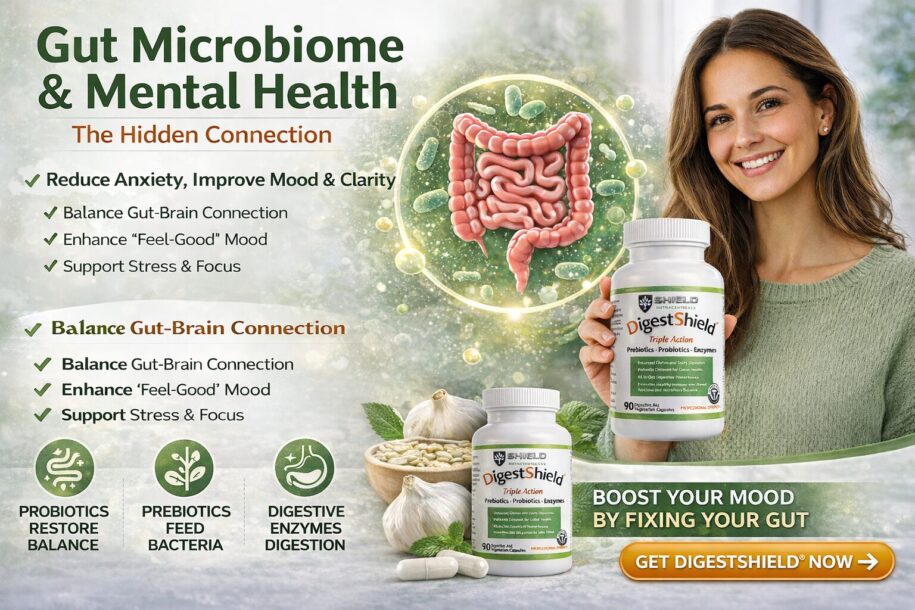
Feeling anxious, stressed, or mentally drained? The problem might not be in your mind… It could be in your gut. Modern research shows a powerful connection between your gut microbiome and mental health — known as the gut-brain axis. And here’s what most people don’t realize: Your gut doesn’t just digest food. it controls your mood, stress levels, and mental clarity. When your gut is unbalanced: anxiety increases mood drops focus disappears brain fog kicks in But when your gut is healthy: âś” your mood stabilizesâś” stress reducesâś” mental clarity improves If you’re already struggling with digestion, it’s worth understanding the root causes in digestive issues after eating — because gut problems often start there. Does Gut Microbiome Affect Mental Health? Yes, directly. Your gut produces neurotransmitters like serotonin (your “feel-good” hormone). In fact: Nearly 90% of serotonin is produced in your gut So when your gut is unhealthy, it can lead to: anxiety depression low motivation brain fog A balanced gut microbiome = better mood + sharper thinking What Is the Gut-Brain Axis? Your gut and brain are constantly communicating. This connection is called the gut-brain axis. They communicate through: the vagus nerve hormones neurotransmitters This is why your emotions and digestion are deeply connected. Ever felt “butterflies” in your stomach when nervous? That’s your gut-brain connection in action. Signs Your Gut Is Affecting Your Mental Health If your gut microbiome is out of balance, you may notice: anxiety or constant stress mood swings brain fog low energy poor sleep bloating or digestive discomfort If you relate to these, explore the full breakdown here:signs of poor gut health How Gut Microbiome Impacts Mental Health 1. Serotonin Production Your gut produces most of your serotonin. Poor gut health = low serotonin = low mood 2. Inflammation and Brain Function An unhealthy gut causes chronic inflammation. This affects: brain performance emotional stability Inflammation is strongly linked to anxiety and depression. 3. Stress Hormone (Cortisol) Gut imbalance increases cortisol levels. Result: higher stress more anxiety mental fatigue 4. Nutrient Absorption Your brain needs nutrients to function. If digestion is weak: nutrients aren’t absorbed properly mental performance drops This leads to fatigue, low focus, and brain fog. How to Improve Gut Microbiome for Better Mental Health 1. Eat Probiotic-Rich Foods Probiotics restore healthy gut bacteria. Best sources: yogurt kefir kimchi These help rebalance your microbiome naturally. 2. Add Prebiotic Foods Prebiotics feed your good bacteria. Eat more: garlic onions bananas Without prebiotics, probiotics won’t work effectively. 3. Improve Digestion (MOST IMPORTANT) This is where most people fail. You can eat healthy foods… but if your body can’t digest them, your gut won’t heal. Digestive enzymes help: break down food improve absorption reduce bloating  Learn the difference here:digestive enzymes vs probiotics 4. Avoid Gut-Damaging Foods Reduce: processed foods excess sugar artificial additives These destroy gut bacteria and worsen mental health. 5. Use a Complete Gut Support System Here’s the truth: Diet alone is NOT enough for most people. To fix your gut (and mental health), you need: âś” probiotics → restore balanceâś” prebiotics → support growthâś” digestive enzymes → fix digestion What Actually Works (Most Important Section) Most blogs say: “just take probiotics” That’s incomplete. Probiotics Alone slow results digestion issues remain mental benefits are limited Complete Gut Support (REAL SOLUTION) The best way to improve gut microbiome and mental health: probiotics → balance bacteria prebiotics → strengthen bacteria digestive enzymes → improve digestion This combination delivers faster, noticeable results Why DigestShield® Supports Mental Health DigestShield® is designed as a complete gut solution not a partial fix. It works by targeting the root cause: âś” Probiotics → support gut-brain connectionâś” Prebiotics → enhance effectivenessâś” Digestive enzymes → optimize digestion Benefits You May Notice reduced anxiety improved mood better focus less brain fog smoother digestion  If you’re serious about improving both gut and mental health: Start with a complete solution, not guesswork. Explore the best gut health supplement designed for real results. Improve Faster with These Guides To fully optimize your gut health, explore: how to fix gut health fastbest enzyme for digestiongut health and weight losshow to improve gut microbiome naturally Common Mistakes to Avoid relying only on probiotics ignoring digestion poor diet expecting instant results Fix these, and results come much faster. If you want better mood, less stress, and clear thinking… Start with your gut. Because no matter what you try —if your gut is unhealthy, your brain won’t perform at its best. Take control today with a complete gut support formula that: âś” restores balanceâś” improves digestionâś” supports mental clarity Get started with the best gut health supplement now. FAQ Can gut microbiome affect mental health?Yes — gut bacteria directly influence mood, stress, and brain function. How long does it take to see results?Many people notice improvements within 1–2 weeks. Do probiotics help with anxiety?Yes, but they work best when combined with prebiotics and enzymes. What is the gut-brain axis?It’s the communication system between your gut and brain that affects mood and mental health.

How to Improve Gut Microbiome Naturally

by in Digestion and Immunity April 7, 2026

If you feel bloated, tired, or struggle with digestion… Your gut microbiome may be out of balance. And here’s the truth most people don’t realize: Your gut controls digestion, immunity, metabolism — and even your mood. When your gut is healthy → everything works smoothlyWhen it’s not → problems start everywhere constant bloating slow digestion low energy stubborn weight gain If you’re already dealing with discomfort after meals, it’s important to understand the root cause especially common digestive issues after eating that signal poor gut health. In this guide, you’ll learn: how to improve gut microbiome naturally what damages your gut how to restore gut bacteria fast what actually works (not outdated advice) How to Improve Gut Microbiome To improve your gut microbiome naturally: âś” eat probiotic-rich foodsâś” add prebiotic fiberâś” reduce processed foodsâś” support digestion with enzymesâś” use a complete gut health supplement But here’s what actually works best: A combination approach: probiotics → restore good bacteria prebiotics → feed that bacteria digestive enzymes → fix digestion If you’re confused between them, understanding the difference between digestive enzymes vs probiotics is key. What Is the Gut Microbiome? Your gut microbiome is made up of trillions of bacteria living in your digestive system. These bacteria are not bad — they are essential. They help your body: break down food absorb nutrients fight harmful bacteria regulate your immune system A balanced gut = better digestion, better energy, better health Signs Your Gut Microbiome Is Unhealthy If your gut is out of balance, your body will show warning signs: bloating after eating gas and discomfort constipation or irregular digestion fatigue and brain fog sugar cravings skin problems If this sounds familiar, you likely have poor gut balance. You can explore more symptoms here: signs of poor gut health 7 Proven Ways to Improve Gut Microbiome 1. Eat Probiotic-Rich Foods Probiotics are “good bacteria” that help restore balance in your gut. Best sources include: yogurt kefir kimchi sauerkraut These naturally increase healthy bacteria in your gut. 2. Add Prebiotic Foods (Feed Good Bacteria) Prebiotics are just as important — they feed your good bacteria. Best sources: garlic onions bananas oats Without prebiotics, probiotics won’t survive or grow. 3. Improve Digestion with Enzymes This is where most people fail. Even if you eat healthy foods… If your body can’t break them down properly, your gut stays unhealthy. Digestive enzymes help: break down proteins, fats, and carbs reduce bloating improve nutrient absorption This is critical for fixing gut issues fast. 4. Avoid Gut-Damaging Foods Some foods destroy your gut microbiome: processed foodsexcess sugar artificial sweetenersalcohol (especially frequent use) Cutting these can quickly improve gut balance. 5. Increase Fiber Intake Fiber supports gut diversity — and diversity = strong microbiome. Best sources: vegetables fruits whole grains The more diverse your diet, the healthier your gut becomes. 6. Manage Stress Most people ignore this… But stress directly damages gut bacteria. It can: slow digestion reduce beneficial bacteria increase inflammation Lower stress = better gut health 7. Use a Complete Gut Health Supplement Here’s the truth most blogs won’t tell you:  Diet alone is often NOT enough. If you want faster, noticeable results… Your body needs: âś” probiotics → restore balanceâś” prebiotics → support growthâś” enzymes → fix digestion What Actually Works (Most Important Section) Most people take probiotics and expect results. That’s the mistake. Probiotics Alone slow improvement bloating may continue digestion stays weak Complete Gut Support (REAL SOLUTION) The fastest way to improve your gut microbiome is combining: probiotics → balance bacteria prebiotics → feed bacteria digestive enzymes → break down food This combination delivers faster and more noticeable results If you’re serious about fixing your gut… Don’t waste time trying random solutions. Your body needs a complete approach — not just probiotics. That’s exactly why a triple-action formula works better: âś” improves digestionâś” reduces bloatingâś” restores gut balance Start improving your gut health today with a complete gut support solution designed for real results. FAQ Q: How long does it take to improve gut microbiome?Most people start noticing improvements within 2–4 weeks when using the right combination of diet and supplements. Q: What is the fastest way to fix gut health?The fastest method is combining probiotics, prebiotics, and digestive enzymes — not using just one. Q: Can I improve gut microbiome naturally?Yes. With the right diet, lifestyle changes, and targeted support, you can restore gut balance naturally.

Probiotics for Women Over 50: What Actually Works

by in Digestion and Immunity April 7, 2026

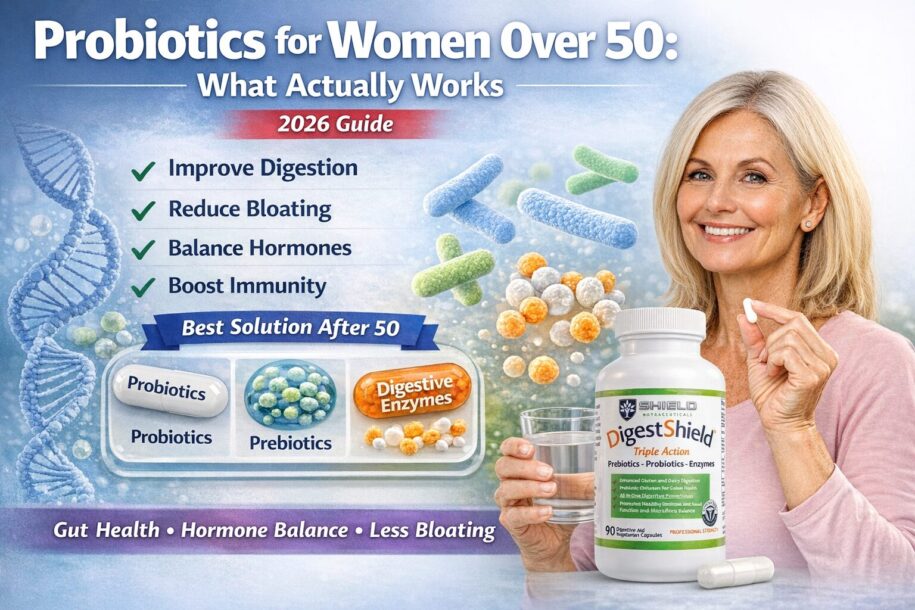
You eat healthy…But still feel bloated, tired, or heavy after meals? If you’re over 50, this is more common than you think. And here’s the truth most people don’t tell you: Your gut health changes significantly after menopause. Hormonal shifts, slower digestion, and reduced enzyme production can make your body feel completely different. That’s why choosing the right probiotics for women over 50 isn’t optional — it’s essential. In this guide, you’ll discover: why digestion slows after 50 how probiotics actually help what most supplements get wrong what works best (based on real results, not hype) Best Probiotics for Women Over 50 The best probiotics for women over 50 include multi-strain formulas with Lactobacillus and Bifidobacterium, combined with prebiotics and digestive enzymes to improve digestion, reduce bloating, and support hormone balance. For best results, you need a complete gut support system: probiotics → restore good bacteria prebiotics → feed those bacteria digestive enzymes → break down food properly This combination delivers faster and more effective results, especially after menopause. Why Gut Health Changes After 50 As you age, your digestive system naturally becomes less efficient. 1. Reduced Digestive Enzymes Your body produces fewer enzymes over time. Result: food isn’t broken down properly bloating and heaviness increase nutrient absorption decreases 2. Hormonal Changes (Menopause) Lower estrogen levels affect gut bacteria balance.  This can lead to: gut imbalance increased fat storage digestive discomfort Studies show that gut microbiome diversity declines after menopause, directly impacting metabolism and digestion. 3. Slower Metabolism Your metabolism naturally slows down. This causes: weight gain slower digestion low energy levels 4. Decreased Gut Bacteria Diversity Good bacteria levels drop with age. Result: weaker immunity poor digestion more inflammation Signs You Need Probiotics After 50 If you’re experiencing any of these, your gut needs support: frequent bloating after meals constipation or irregular digestion gas and discomfort unexplained weight gain fatigue or low energy weak immunity These are clear signs of poor gut health, and they won’t fix themselves.  How Probiotics Help Women Over 50 Probiotics restore balance in your digestive system. ✔ Improve Digestion They help break down food and reduce heaviness after eating. ✔ Reduce Bloating Balanced gut bacteria = less gas and discomfort. ✔ Support Hormone Balance A healthy gut helps regulate estrogen metabolism. ✔ Boost Immunity Around 70% of your immune system lives in your gut. ✔ Improve Nutrient Absorption Essential for calcium, magnesium, and vitamins after 50. Best Probiotic Strains for Women Over 50 When choosing a supplement, look for these: Lactobacillus supports digestion reduces bloating improves gut balance Bifidobacterium supports colon health improves bowel movements strengthens gut lining Lactobacillus rhamnosus supports gut + vaginal health beneficial after menopause Multi-strain probiotics work best, not single-strain formulas. Probiotics vs Digestive Enzymes: What’s Better After 50? Here’s where most people get confused. Problem Best Solution Bloating Probiotics + enzymes Slow digestion Digestive enzymes Gut imbalance Probiotics Nutrient absorption Enzymes + probiotics The truth is: Probiotics alone = incompleteCombination approach = best results What Actually Works (Most Important Section) Most supplements fail because they focus on only one piece of the puzzle. Probiotics Alone slow results doesn’t fix digestion limited impact Complete Gut Support System For real results, you need: Probiotics → restore gut bacteria Prebiotics → feed good bacteria Digestive Enzymes → break down food This is the most effective solution for women over 50. Because your body doesn’t just need balance —it needs support at every stage of digestion. Why DigestShield® Works Better If you’re looking for a complete gut support formula designed for women over 50… DigestShield® is built differently. Instead of focusing on one function, it combines: probiotics → for gut balance prebiotics → for better effectiveness digestive enzymes → for faster digestion Benefits for Women Over 50 reduce bloating quickly improve digestion after meals support metabolism and weight balance increase energy levels improve overall gut health This is why combination formulas outperform standard probiotics. When Will You See Results? Here’s what most women experience: 3–5 days → reduced bloating 1–2 weeks → smoother digestion 3–4 weeks → improved gut balance and energy Consistency is key. Best Foods for Gut Health After 50 Support your gut naturally with: Eat More: yogurt kefir fermented foods fiber-rich vegetables Avoid: processed foods excess sugar artificial sweeteners Diet + supplements = best long-term results Common Mistakes Women Over 50 Make Avoid these if you want real results: choosing low-quality probiotics ignoring digestive symptoms not using digestive enzymes expecting overnight results Gut health takes consistency but results are worth it. Want Better Digestion After 50? If you’re serious about improving your gut health… You need more than just probiotics. A complete solution can help: improve digestion reduce bloating support gut balance increase daily energy Start supporting your gut the right way: https://shieldnutra.com/product/digestshield/ FAQ What is the best probiotic supplement for women over 50? Multi-strain probiotics combined with prebiotics and digestive enzymes provide the best results. Do probiotics help with menopause bloating? Yes, they balance gut bacteria and reduce gas and bloating. Are digestive enzymes necessary after 50? In many cases, yes — enzyme production decreases with age. Can probiotics help with weight gain after 50? They support metabolism and improve digestion, which can help manage weight. After 50, your body needs more support than ever. If your gut is struggling: digestion slows bloating increases energy drops But when you fix your gut: ✔ digestion improves✔ bloating disappears✔ your body feels lighter✔ your energy comes back And it all starts with the right support. Don’t ignore the signs your gut is giving you. If digestion feels slower, bloating is frequent, or energy is low your body needs support now. A complete gut formula like DigestShield® is designed specifically to help women over 50 feel better fast. Get started today

Probiotics for Women Benefits: What Actually Works

by in Digestion and Immunity April 6, 2026

Struggling with bloating, fatigue, acne, or hormonal imbalance? You’re not alone and more importantly, it’s not random. In many cases, these symptoms are directly connected to your gut. The truth is, the benefits of probiotics for women go far beyond simple digestion. Your gut affects hormone balance, skin clarity, metabolism, immunity, and even mental health. In this guide, you’ll learn: the real probiotics for women benefits how probiotics work inside your body why most supplements fail what actually delivers fast, noticeable results What Are the Benefits of Probiotics for Women? Probiotics for women are beneficial bacteria that support gut balance and overall health. The most important probiotics for women benefits include: improved digestion and nutrient absorption reduced bloating and gas better hormone balance stronger immune function clearer skin support for weight management For best results, probiotics should not be used alone. They work most effectively when combined with prebiotics and digestive enzymes. 1. Improve Digestion and Gut Function The primary reason most women take probiotics is to improve digestion. Probiotics help restore balance in your gut microbiome, allowing your body to break down food more efficiently and absorb nutrients properly. This leads to: smoother digestion reduced stomach discomfort improved nutrient uptake If your digestion is off, everything else in your body starts to suffer. 2. Reduce Bloating and Gas Bloating is one of the most common gut-related issues women experience. It usually happens when your gut bacteria are out of balance or when food is not properly digested. Probiotics help by: reducing gas-producing bacteria supporting proper digestion improving gut motility As a result, many women notice a flatter stomach and less discomfort after meals. 3. Support Hormone Balance One of the most overlooked probiotics for women benefits is hormone regulation. Your gut plays a key role in processing and eliminating excess estrogen. When your gut is unhealthy, hormone levels can become imbalanced. Probiotics support: estrogen metabolism hormonal stability reduction of PMS-related symptoms A healthy gut often leads to more stable hormones and fewer fluctuations. 4. Improve Skin Health Your gut and skin are directly connected through what’s known as the gut-skin axis. When your gut is inflamed or imbalanced, it can trigger: acne redness dull skin Probiotics help by reducing inflammation and improving gut health, which often results in clearer, healthier-looking skin. Healthy gut function reflects on your skin. 5. Support Weight Management Gut health has a direct impact on metabolism and weight. An imbalanced gut can lead to: increased fat storage stronger cravings slower metabolism Probiotics help regulate these processes by improving how your body processes food and stores energy. This makes weight management easier and more sustainable over time. 6. Strengthen Immune Function Research shows that approximately 70% of your immune system is located in your gut. When your gut microbiome is balanced, your body can: fight infections more effectively reduce inflammation maintain overall health Probiotics play a key role in strengthening your immune response naturally. 7. Support Mood and Mental Health There is a strong connection between your gut and your brain. An unhealthy gut can contribute to: stress anxiety low energy Probiotics help regulate this connection by supporting neurotransmitter production and reducing inflammation. Many women report improved mood, focus, and energy after improving gut health. Signs You May Need Probiotics You may benefit from probiotics if you experience: frequent bloating gas or constipation fatigue or low energy acne or skin issues sugar cravings hormonal imbalance If these symptoms sound familiar, your gut likely needs support. What Actually Works (Most Important Section) Most blogs make one critical mistake they recommend probiotics alone. But the reality is, probiotics alone are often not enough. Why Probiotics Alone Fail slow results incomplete digestion support poor absorption What Works Better Approach Result Probiotics only Limited improvement Probiotics + Prebiotics Better gut balance Probiotics + Prebiotics + Enzymes Complete digestion support and faster results A complete gut support system is the key to real, noticeable improvements. Why DigestShield® Works Better Most supplements focus on only one part of gut health. DigestShield® is designed to support the entire digestive system. It combines: probiotics to balance gut bacteria prebiotics to feed beneficial bacteria digestive enzymes to break down food efficiently This combination allows your body to: digest food properly absorb nutrients effectively reduce bloating faster restore gut balance Instead of addressing just one issue, it supports your gut as a complete system. Real Benefits You Can Expect With proper gut support, many women experience: less bloating after meals smoother digestion improved energy levels clearer skin better hormone balance easier weight management These are not temporary fixes—they are the result of improved gut function. Natural Sources of Probiotics You can also get probiotics from foods such as: yogurt kefir kimchi sauerkraut However, food alone often does not provide consistent or sufficient amounts to fully restore gut balance, especially if you are already experiencing symptoms. Common Mistakes to Avoid Many women struggle to see results because of these common mistakes: choosing low-quality probiotics ignoring digestion support not using prebiotics expecting instant results Gut health improvement requires the right approach and consistency. Frequently Asked Questions What are probiotics for women? Probiotics for women are beneficial bacteria that support digestion, hormone balance, and overall gut health. Do probiotics help with hormonal imbalance? Yes, a healthy gut helps regulate estrogen levels and supports hormonal stability. Can probiotics help with weight loss? They can support weight management by improving metabolism and reducing fat storage when combined with proper nutrition. How long does it take to see results? Many women begin to notice improvements within 1 to 2 weeks, depending on their gut condition. The benefits of probiotics for women go far beyond digestion. When your gut is healthy: your hormones become more balanced your skin improves your energy increases your body functions more efficiently However, real results come from supporting your gut completely—not partially. Ready to Improve Your Gut Health? If you are tired of dealing with bloating, slow digestion, or hormonal imbalance, it may be time to support

Probiotics for Women Gut Health: What Actually Works

by in Digestion and Immunity April 6, 2026

Bloating. Hormonal imbalance. Digestive discomfort. If you’re dealing with these regularly, the real issue might not be your diet… It could be your gut health. Here’s something most people don’t talk about: Women’s gut health is different from men’s. Hormones, stress levels, and metabolism all affect how your digestive system works. That’s why choosing the right probiotics for women gut health is critical — not optional. In this guide, you’ll learn: how probiotics help women specifically why many probiotics don’t work what actually improves gut health how to get real, lasting results Best Probiotics for Women Gut Health The best probiotics for women gut health should: ✔ include multiple strains (Lactobacillus + Bifidobacterium)✔ support digestion and reduce bloating✔ help maintain hormone balance✔ improve gut bacteria diversity For better results, combine: probiotics prebiotics digestive enzymes This complete approach works better than probiotics alone. Why Gut Health Is Critical for Women Women experience gut issues differently due to biological and hormonal factors. 1. Hormonal Fluctuations Affect Gut Balance Estrogen directly interacts with gut bacteria. When your gut is imbalanced: estrogen metabolism is disrupted bloating increases mood swings worsen This is why gut health impacts both digestion and hormones. 2. Slower Digestion in Women Research suggests women often have slower gastrointestinal transit time. This can lead to: gas buildup constipation heaviness after meals If you feel uncomfortable after eating, check:digestive issues after eating  3. Gut–Skin Connection Your gut and skin are closely linked. Poor gut health may contribute to: acne dull skin inflammation Healthy gut = clearer skin + better glow 4. Gut Health and Weight Gain An unhealthy gut can: slow metabolism increase fat storage trigger sugar cravings Learn more: gut health and weight loss Signs You Need Probiotics for Women Gut Health You may need gut support if you experience: bloating after meals gas and discomfort constipation or irregular digestion fatigue sugar cravings hormonal imbalance Also read: signs of poor gut health How Probiotics Help Women Probiotics are beneficial bacteria that restore balance in your gut. ✔ Improve Digestion Help break down food more efficiently ✔ Reduce Bloating Lower gas production and discomfort ✔ Support Hormone Balance Help regulate estrogen metabolism ✔ Boost Immunity ~70% of immune function is linked to gut health ✔ Improve Mood Support the gut-brain connection Best Probiotic Strains for Women Not all probiotics are equal. Lactobacillus supports digestion reduces bloating Bifidobacterium improves bowel movement strengthens gut lining Lactobacillus rhamnosus supports vaginal + gut health Multi-strain probiotics work best. Why Most Probiotics Don’t Work for Women This is where most people go wrong. Problem 1: No Digestive Support Probiotics don’t fix poor digestion Problem 2: No Food for Bacteria Without prebiotics, good bacteria don’t survive Problem 3: Incomplete Approach Gut health is more than just bacteria What Actually Works A complete gut support system: ✔ Probiotics → balance bacteria✔ Prebiotics → feed bacteria✔ Digestive enzymes → improve digestion This is where real, noticeable results happen. Probiotics vs Complete Gut Support Feature Probiotics Only Complete Gut Formula Gut Balance Yes Yes Digestion Support NO Yes Nutrient Absorption NO Yes Results Speed Slow Faster This is why many people feel probiotics “don’t work.” How Long Do Probiotics Take to Work for Women? 3–7 days → less bloating 1–2 weeks → better digestion 3–4 weeks → noticeable improvement Consistency is key. Best Time to Take Probiotics Morning (empty stomach) → better absorption Or before meals → improved digestion Daily consistency matters more than timing. Natural Probiotic Foods for Women Support your gut naturally with: yogurt kefir kimchi sauerkraut fiber-rich foods But: Food alone is often not enough for consistent results. Common Mistakes Women Make Avoid these: choosing low-quality probiotics ignoring digestive enzymes poor diet habits expecting instant results What to Look for in a Women’s Gut Health Supplement Choose a formula that includes: multi-strain probiotics prebiotics digestive enzymes easy daily use This combination supports complete gut health. A Smarter Approach to Gut Health (DigestShield®) Instead of relying on just probiotics… A complete formula like DigestShield® combines: ✔ probiotics for gut balance✔ prebiotics for bacterial growth✔ digestive enzymes for proper digestion This supports gut health from multiple angles. Benefits Women May Notice With consistent use, many people experience: reduced bloating improved digestion better energy levels fewer cravings improved overall balance If you’re looking for a complete approach,DigestShield® is one option worth considering  FAQ What are the best probiotics for women gut health? Multi-strain probiotics combined with prebiotics and enzymes work best. Do probiotics help with bloating in women? They can help reduce bloating by improving gut balance. Can probiotics support hormone balance? A healthy gut supports estrogen metabolism and hormonal stability. How long does it take for probiotics to work? Most women notice improvements within 1–2 weeks. Can gut health affect skin? Yes. Poor gut health is linked to acne and inflammation. Are probiotics safe to take daily? Yes, most probiotics are safe for daily use. Women’s gut health is more complex than most people realize. When your gut is unbalanced, digestion slows, hormones become disrupted, and energy levels drop. But when you support your gut properly, digestion improves, bloating reduces, and your body begins to function more efficiently. If you’re tired of dealing with bloating, digestive discomfort, or feeling out of balance, it may be time to take your gut health seriously. Instead of relying on a single solution, support your gut with a complete approach that includes probiotics, prebiotics, and digestive enzymes. DigestShield® is designed to provide this full support in one formula, making it easier to take care of your gut daily. If you’re looking for a simple and effective way to improve your gut health, you can explore DigestShield® here

Gut Health Supports for Weight Loss: How Your Gut Controls Fat Loss Naturally

by in Digestion and Immunity April 6, 2026

Struggling to lose weight even when you’re eating less? You’re not alone. Here’s what most people don’t realize: Your gut health plays a major role in how your body stores fat, burns calories, and controls cravings. If your gut is out of balance, weight loss becomes harder no matter how “perfect” your diet is. In this guide, you’ll learn: how gut health affects weight loss the science behind gut bacteria and fat storage signs your gut is slowing your progress what actually works to fix it Does Gut Health Affect Weight Loss? Yes, gut health directly affects weight loss. Your gut microbiome (trillions of bacteria in your digestive system) influences: metabolism fat storage hunger hormones digestion efficiency A healthy gut supports weight loss. An unhealthy gut can slow it down. How Gut Health Affects Weight Loss 1. Gut Bacteria Control Fat Storage Not all calories are processed the same way. Your gut bacteria decide: how many calories are absorbed how much fat is stored how efficiently food is broken down Some bacteria are linked to weight gain, while others support fat metabolism. This is why two people can eat the same food but gain weight differently. 2. Your Gut Controls Hunger & Cravings Your gut communicates with your brain through the gut-brain axis. When your gut is imbalanced, it can: increase sugar cravings make you feel hungry more often disrupt appetite hormones A balanced gut helps regulate: hunger signals fullness emotional eating 3. Poor Digestion Slows Metabolism If your body can’t break down food properly: nutrients aren’t absorbed energy production drops metabolism slows This can lead to: bloating fatigue stubborn fat If you often feel heavy after eating, read:digestive issues after eating 4. Gut Inflammation Increases Belly Fat An unhealthy gut can trigger chronic inflammation. This may: slow fat burning increase fat storage (especially belly fat) disrupt hormone balance Improving gut health can help reduce this inflammation over time. Signs Your Gut May Be Blocking Weight Loss You might have a gut-related issue if you experience: bloating after meals constant cravings slow digestion constipation fatigue stubborn belly fat Also check: signs of poor gut health Gut Bacteria and Weight Loss (Simple Science) Your gut contains trillions of bacteria. Two commonly studied groups: Firmicutes → linked to higher fat storage Bacteroidetes → linked to leaner body composition An imbalance (more Firmicutes) is often seen in overweight individuals. The goal is balance, not elimination. Do Probiotics Help With Weight Loss? Probiotics can support weight loss—but they are not magic. Research suggests: they may help reduce body weight they support better digestion they improve gut balance However: Probiotics alone are not enough for most people. They work best when combined with: prebiotics (to feed good bacteria) digestive enzymes (to break down food properly) What Actually Works for Gut Health and Weight Loss The most effective approach is a complete gut support system: ✔ Probiotics Balance gut bacteria ✔ Prebiotics Feed beneficial bacteria ✔ Digestive Enzymes Improve digestion and nutrient absorption This combination helps address the root causes not just symptoms. Best Foods for Gut Health and Weight Loss Add these to your daily routine: yogurt and kefir fermented foods (kimchi, sauerkraut) fiber-rich vegetables whole foods Avoid excess: processed foods refined sugar artificial sweeteners For more details: foods that cause bloating Common Mistakes That Slow Weight Loss Most people fail because they: rely only on probiotics ignore digestion problems eat gut-disrupting foods expect instant results Fixing your gut takes consistency not shortcuts. What to Look for in a Gut Health Supplement If you’re using supplements, look for: multi-strain probiotics digestive enzymes prebiotics daily-use convenience A complete formula is more effective than single-ingredient products. A Smarter Approach to Gut Health Support Instead of focusing on just one solution… A complete approach supports: digestion gut balance nutrient absorption This is the idea behind formulas like DigestShield®, which combine: probiotics prebiotics digestive enzymes Designed to support gut health from multiple angles rather than just one. How Gut Health Improvement Helps Weight Loss When your gut improves, you may notice: less bloating better digestion improved energy reduced cravings Over time, this creates better conditions for sustainable weight loss. FAQ What is the link between gut health and weight loss? Gut health affects metabolism, appetite, and fat storage, making it a key factor in weight management. Can poor gut health cause weight gain? Yes. An imbalanced gut can increase cravings, slow digestion, and promote fat storage. Do probiotics help burn fat? Not directly. They support gut balance, which may help weight loss over time. How long does it take to improve gut health? Some people notice digestive improvements within 1–2 weeks, but full gut balance can take longer. Are digestive enzymes important for weight loss? They help break down food properly, which supports metabolism and nutrient absorption. Ready to Fix Your Gut and Support Weight Loss? If you’ve been struggling with: bloating after meals constant cravings slow digestion stubborn weight that won’t go away It may not be your diet. it could be your gut. Instead of guessing what’s missing… Support your gut with a complete approach that includes: ✔ probiotics for balance✔ prebiotics to feed good bacteria✔ digestive enzymes for proper digestion That’s exactly what DigestShield® is designed to do. Start supporting your gut health today and create the right conditions for real, sustainable weight loss. Explore DigestShield® here

    EN

    Better Digestion, More Savings!

    Take the first step towards a happier gut. Get 5% OFF your next purchase of DigestShield.