Probiotics for Women Gut Health: What Actually Works

by in Digestion and Immunity April 6, 2026

Bloating. Hormonal imbalance. Digestive discomfort. If you’re dealing with these regularly, the real issue might not be your diet… It could be your gut health. Here’s something most people don’t talk about: Women’s gut health is different from men’s. Hormones, stress levels, and metabolism all affect how your digestive system works. That’s why choosing the right probiotics for women gut health is critical — not optional. In this guide, you’ll learn: how probiotics help women specifically why many probiotics don’t work what actually improves gut health how to get real, lasting results Best Probiotics for Women Gut Health The best probiotics for women gut health should: ✔ include multiple strains (Lactobacillus + Bifidobacterium)✔ support digestion and reduce bloating✔ help maintain hormone balance✔ improve gut bacteria diversity For better results, combine: probiotics prebiotics digestive enzymes This complete approach works better than probiotics alone. Why Gut Health Is Critical for Women Women experience gut issues differently due to biological and hormonal factors. 1. Hormonal Fluctuations Affect Gut Balance Estrogen directly interacts with gut bacteria. When your gut is imbalanced: estrogen metabolism is disrupted bloating increases mood swings worsen This is why gut health impacts both digestion and hormones. 2. Slower Digestion in Women Research suggests women often have slower gastrointestinal transit time. This can lead to: gas buildup constipation heaviness after meals If you feel uncomfortable after eating, check:digestive issues after eating  3. Gut–Skin Connection Your gut and skin are closely linked. Poor gut health may contribute to: acne dull skin inflammation Healthy gut = clearer skin + better glow 4. Gut Health and Weight Gain An unhealthy gut can: slow metabolism increase fat storage trigger sugar cravings Learn more: gut health and weight loss Signs You Need Probiotics for Women Gut Health You may need gut support if you experience: bloating after meals gas and discomfort constipation or irregular digestion fatigue sugar cravings hormonal imbalance Also read: signs of poor gut health How Probiotics Help Women Probiotics are beneficial bacteria that restore balance in your gut. ✔ Improve Digestion Help break down food more efficiently ✔ Reduce Bloating Lower gas production and discomfort ✔ Support Hormone Balance Help regulate estrogen metabolism ✔ Boost Immunity ~70% of immune function is linked to gut health ✔ Improve Mood Support the gut-brain connection Best Probiotic Strains for Women Not all probiotics are equal. Lactobacillus supports digestion reduces bloating Bifidobacterium improves bowel movement strengthens gut lining Lactobacillus rhamnosus supports vaginal + gut health Multi-strain probiotics work best. Why Most Probiotics Don’t Work for Women This is where most people go wrong. Problem 1: No Digestive Support Probiotics don’t fix poor digestion Problem 2: No Food for Bacteria Without prebiotics, good bacteria don’t survive Problem 3: Incomplete Approach Gut health is more than just bacteria What Actually Works A complete gut support system: ✔ Probiotics → balance bacteria✔ Prebiotics → feed bacteria✔ Digestive enzymes → improve digestion This is where real, noticeable results happen. Probiotics vs Complete Gut Support Feature Probiotics Only Complete Gut Formula Gut Balance Yes Yes Digestion Support NO Yes Nutrient Absorption NO Yes Results Speed Slow Faster This is why many people feel probiotics “don’t work.” How Long Do Probiotics Take to Work for Women? 3–7 days → less bloating 1–2 weeks → better digestion 3–4 weeks → noticeable improvement Consistency is key. Best Time to Take Probiotics Morning (empty stomach) → better absorption Or before meals → improved digestion Daily consistency matters more than timing. Natural Probiotic Foods for Women Support your gut naturally with: yogurt kefir kimchi sauerkraut fiber-rich foods But: Food alone is often not enough for consistent results. Common Mistakes Women Make Avoid these: choosing low-quality probiotics ignoring digestive enzymes poor diet habits expecting instant results What to Look for in a Women’s Gut Health Supplement Choose a formula that includes: multi-strain probiotics prebiotics digestive enzymes easy daily use This combination supports complete gut health. A Smarter Approach to Gut Health (DigestShield®) Instead of relying on just probiotics… A complete formula like DigestShield® combines: ✔ probiotics for gut balance✔ prebiotics for bacterial growth✔ digestive enzymes for proper digestion This supports gut health from multiple angles. Benefits Women May Notice With consistent use, many people experience: reduced bloating improved digestion better energy levels fewer cravings improved overall balance If you’re looking for a complete approach,DigestShield® is one option worth considering  FAQ What are the best probiotics for women gut health? Multi-strain probiotics combined with prebiotics and enzymes work best. Do probiotics help with bloating in women? They can help reduce bloating by improving gut balance. Can probiotics support hormone balance? A healthy gut supports estrogen metabolism and hormonal stability. How long does it take for probiotics to work? Most women notice improvements within 1–2 weeks. Can gut health affect skin? Yes. Poor gut health is linked to acne and inflammation. Are probiotics safe to take daily? Yes, most probiotics are safe for daily use. Women’s gut health is more complex than most people realize. When your gut is unbalanced, digestion slows, hormones become disrupted, and energy levels drop. But when you support your gut properly, digestion improves, bloating reduces, and your body begins to function more efficiently. If you’re tired of dealing with bloating, digestive discomfort, or feeling out of balance, it may be time to take your gut health seriously. Instead of relying on a single solution, support your gut with a complete approach that includes probiotics, prebiotics, and digestive enzymes. DigestShield® is designed to provide this full support in one formula, making it easier to take care of your gut daily. If you’re looking for a simple and effective way to improve your gut health, you can explore DigestShield® here

Gut Health Supports for Weight Loss: How Your Gut Controls Fat Loss Naturally

by in Digestion and Immunity April 6, 2026

Struggling to lose weight even when you’re eating less? You’re not alone. Here’s what most people don’t realize: Your gut health plays a major role in how your body stores fat, burns calories, and controls cravings. If your gut is out of balance, weight loss becomes harder no matter how “perfect” your diet is. In this guide, you’ll learn: how gut health affects weight loss the science behind gut bacteria and fat storage signs your gut is slowing your progress what actually works to fix it Does Gut Health Affect Weight Loss? Yes, gut health directly affects weight loss. Your gut microbiome (trillions of bacteria in your digestive system) influences: metabolism fat storage hunger hormones digestion efficiency A healthy gut supports weight loss. An unhealthy gut can slow it down. How Gut Health Affects Weight Loss 1. Gut Bacteria Control Fat Storage Not all calories are processed the same way. Your gut bacteria decide: how many calories are absorbed how much fat is stored how efficiently food is broken down Some bacteria are linked to weight gain, while others support fat metabolism. This is why two people can eat the same food but gain weight differently. 2. Your Gut Controls Hunger & Cravings Your gut communicates with your brain through the gut-brain axis. When your gut is imbalanced, it can: increase sugar cravings make you feel hungry more often disrupt appetite hormones A balanced gut helps regulate: hunger signals fullness emotional eating 3. Poor Digestion Slows Metabolism If your body can’t break down food properly: nutrients aren’t absorbed energy production drops metabolism slows This can lead to: bloating fatigue stubborn fat If you often feel heavy after eating, read:digestive issues after eating 4. Gut Inflammation Increases Belly Fat An unhealthy gut can trigger chronic inflammation. This may: slow fat burning increase fat storage (especially belly fat) disrupt hormone balance Improving gut health can help reduce this inflammation over time. Signs Your Gut May Be Blocking Weight Loss You might have a gut-related issue if you experience: bloating after meals constant cravings slow digestion constipation fatigue stubborn belly fat Also check: signs of poor gut health Gut Bacteria and Weight Loss (Simple Science) Your gut contains trillions of bacteria. Two commonly studied groups: Firmicutes → linked to higher fat storage Bacteroidetes → linked to leaner body composition An imbalance (more Firmicutes) is often seen in overweight individuals. The goal is balance, not elimination. Do Probiotics Help With Weight Loss? Probiotics can support weight loss—but they are not magic. Research suggests: they may help reduce body weight they support better digestion they improve gut balance However: Probiotics alone are not enough for most people. They work best when combined with: prebiotics (to feed good bacteria) digestive enzymes (to break down food properly) What Actually Works for Gut Health and Weight Loss The most effective approach is a complete gut support system: ✔ Probiotics Balance gut bacteria ✔ Prebiotics Feed beneficial bacteria ✔ Digestive Enzymes Improve digestion and nutrient absorption This combination helps address the root causes not just symptoms. Best Foods for Gut Health and Weight Loss Add these to your daily routine: yogurt and kefir fermented foods (kimchi, sauerkraut) fiber-rich vegetables whole foods Avoid excess: processed foods refined sugar artificial sweeteners For more details: foods that cause bloating Common Mistakes That Slow Weight Loss Most people fail because they: rely only on probiotics ignore digestion problems eat gut-disrupting foods expect instant results Fixing your gut takes consistency not shortcuts. What to Look for in a Gut Health Supplement If you’re using supplements, look for: multi-strain probiotics digestive enzymes prebiotics daily-use convenience A complete formula is more effective than single-ingredient products. A Smarter Approach to Gut Health Support Instead of focusing on just one solution… A complete approach supports: digestion gut balance nutrient absorption This is the idea behind formulas like DigestShield®, which combine: probiotics prebiotics digestive enzymes Designed to support gut health from multiple angles rather than just one. How Gut Health Improvement Helps Weight Loss When your gut improves, you may notice: less bloating better digestion improved energy reduced cravings Over time, this creates better conditions for sustainable weight loss. FAQ What is the link between gut health and weight loss? Gut health affects metabolism, appetite, and fat storage, making it a key factor in weight management. Can poor gut health cause weight gain? Yes. An imbalanced gut can increase cravings, slow digestion, and promote fat storage. Do probiotics help burn fat? Not directly. They support gut balance, which may help weight loss over time. How long does it take to improve gut health? Some people notice digestive improvements within 1–2 weeks, but full gut balance can take longer. Are digestive enzymes important for weight loss? They help break down food properly, which supports metabolism and nutrient absorption. Ready to Fix Your Gut and Support Weight Loss? If you’ve been struggling with: bloating after meals constant cravings slow digestion stubborn weight that won’t go away It may not be your diet. it could be your gut. Instead of guessing what’s missing… Support your gut with a complete approach that includes: ✔ probiotics for balance✔ prebiotics to feed good bacteria✔ digestive enzymes for proper digestion That’s exactly what DigestShield® is designed to do. Start supporting your gut health today and create the right conditions for real, sustainable weight loss. Explore DigestShield® here

Best Enzyme for Digestion: What Works & How to Choose the Right One

by in Digestion and Immunity April 5, 2026

Feeling bloated, heavy, or uncomfortable after eating? You are not alone. Millions of people struggle with digestion every single day and many do not realize the real issue is often poor food breakdown. When digestion slows down, food may sit longer inside the digestive tract and begin fermenting. That fermentation may lead to: bloating after meals gas buildup stomach pressure digestive heaviness sluggish digestion discomfort after eating This is why more people are now searching for the best enzyme for digestion instead of relying on restrictive diets or temporary digestive fixes. The right digestive enzyme formula may help your body break down food more efficiently while supporting nutrient absorption and digestive comfort. People struggling with recurring digestive discomfort also frequently explore the best supplement for bloating and gas for more complete digestive support. What You’ll Learn What digestive enzymes actually do Why digestion slows down Signs you may need digestive enzymes Best enzymes for digestion explained Digestive enzymes vs probiotics What to look for in a digestive enzyme supplement Why some digestive supplements fail How to improve digestion naturally Best digestive wellness strategy for long-term gut support How DigestShield® supports digestion naturally Quick Answer: What Is the Best Enzyme for Digestion? The best enzyme for digestion should help support: protein digestion carbohydrate breakdown fat digestion reduced bloating and gas nutrient absorption digestive comfort after meals For broader digestive support, many people now prefer digestive wellness formulas that combine: digestive enzymes probiotics prebiotics gut comfort support This creates a more complete digestive wellness system instead of relying on enzymes alone. People looking for broader gut support also frequently explore the best gut health supplement for complete digestive wellness support. What Are Digestive Enzymes? Digestive enzymes are natural compounds produced by the body to help break food into smaller nutrients. The body uses enzymes to process: proteins fats carbohydrates complex foods The three major digestive enzyme types include: Digestive Enzyme Function Protease Breaks down protein Lipase Breaks down fats Amylase Breaks down carbohydrates Without efficient digestive enzyme activity, food may remain partially undigested inside the digestive tract. This may contribute to: bloating after meals digestive heaviness excess gas sluggish digestion nutrient absorption issues Many people researching digestive wellness also explore digestive issues after eating to better understand post-meal digestive discomfort. Signs You May Need the Best Enzyme for Digestion Your body may benefit from digestive enzyme support if you regularly experience: bloating immediately after eating gas and stomach pressure feeling overly full quickly heavy digestion sluggish digestion food sensitivities discomfort after larger meals These symptoms are often associated with weak food breakdown and incomplete digestion. People dealing with recurring digestive symptoms also frequently explore signs of poor gut health for broader digestive wellness insights. Why Digestion Often Slows Down Many people assume digestive discomfort is only caused by food itself. But digestion problems are usually connected to multiple digestive factors happening together. Common contributors include: weak enzyme activity gut microbiome imbalance processed foods chronic stress overeating poor eating habits digestive inflammation low-quality diets Over time, digestion may become slower and less efficient. This may increase: fermentation bloating gas buildup digestive heaviness stomach discomfort People experiencing recurring bloating also frequently research why they feel bloated after eating to better understand digestive triggers. Best Enzymes for Digestion: What to Look For 1. Multi-Enzyme Support The best digestive enzyme supplements usually contain multiple enzyme types to help support complete food breakdown. Look for support for: proteins fats carbohydrates complex meals Single-enzyme formulas often provide incomplete digestive support. 2. Fast-Acting Digestive Support The best enzyme for digestion should begin supporting food breakdown quickly after meals. This may help support: reduced digestive heaviness less bloating improved digestive comfort 3. Gut Microbiome Support Digestion and gut bacteria work together. That is why broader digestive wellness systems often combine enzymes with probiotics and prebiotics. Many individuals researching digestive support also compare digestive enzymes vs probiotics to better understand how both contribute to digestion differently. Digestive Enzymes vs Probiotics This is one of the biggest digestive wellness misunderstandings. Digestive enzymes and probiotics support digestion in completely different ways. Digestive Enzymes Probiotics Help break down food Help support healthy gut bacteria Work during digestion Support long-term microbiome balance Help reduce digestive heaviness Support gut flora diversity Improve nutrient absorption Support gastrointestinal wellness Digestive enzymes mainly support food breakdown. Probiotics mainly support the digestive environment and gut bacteria balance. Many individuals researching microbiome support also explore how to improve gut health naturally for broader digestive wellness strategies. Why Many Digestive Supplements Fail This is where many digestive routines become incomplete. Some digestive supplements only focus on enzymes. Others only focus on probiotics. But many digestive problems are connected to: poor food breakdown microbiome imbalance food sensitivities digestive stress weak digestion at the same time. Supporting only one digestive function often leaves part of the problem unresolved. Many people comparing digestive wellness systems also explore best supplements for gut health and digestion for broader digestive support. What Actually Works Best for Digestion? The most effective digestive wellness strategy usually combines: digestive enzyme support probiotic support prebiotic nourishment gut microbiome balance digestive comfort support gut lining support This broader digestive support strategy may help support: better digestion after meals reduced bloating and gas improved nutrient utilization digestive comfort long-term gut wellness People researching microbiome ingredients often compare prebiotic vs probiotic support to better understand how both contribute to digestive balance. How DigestShield® Supports Digestion Naturally DigestShield® was designed to support digestion from multiple angles instead of focusing on only one digestive function. Supports Better Food Breakdown DigestShield® contains digestive enzymes that help support digestion after meals. This may help support: reduced bloating less gas buildup better digestion improved nutrient absorption Supports Gut Microbiome Balance DigestShield® combines probiotics and prebiotics to support: healthy gut flora diversity digestive balance gastrointestinal wellness long-term digestive support Supports Digestive Comfort DigestShield® includes mushroom-derived chitosan to help support: gut lining balance digestive comfort gastrointestinal wellness digestive balance after meals This creates a broader digestive wellness system compared to relying

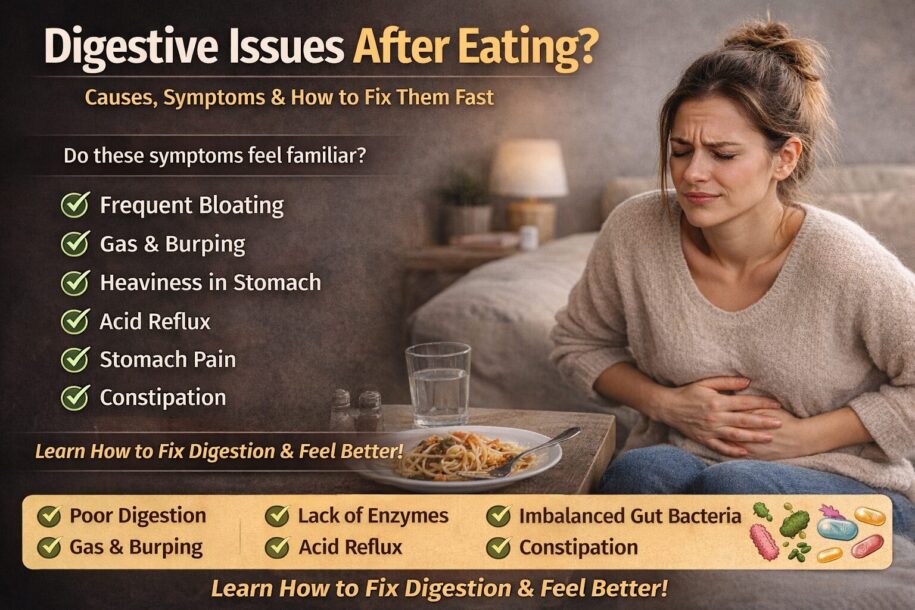
Digestive Issues After Eating: Why Your Stomach Feels Uncomfortable After Meals (And How to Fix It)

by in Digestion and Immunity April 4, 2026

Feeling bloated, heavy, or uncomfortable after eating is not something you should ignore. Many people finish meals expecting energy and satisfaction but instead experience: stomach pressure gas buildup sluggish digestion bloating after meals digestive heaviness irritation after eating If this happens regularly, your digestive system may not be processing food efficiently. In many cases, recurring digestive issues after eating are connected to poor food breakdown, weak digestive enzyme activity, gut microbiome imbalance, and digestive stress. People struggling with ongoing digestive discomfort often explore solutions like the best supplement for bloating and gas because temporary fixes rarely address the root problem. What Causes Digestive Issues After Eating? Digestion is far more complex than simply “eating food.” Your digestive system must: break food into nutrients absorb nutrients efficiently support healthy gut bacteria reduce unnecessary fermentation move food properly through the digestive tract When digestion slows down, food may remain inside the digestive system longer than normal. This often increases: bloating after eating stomach pressure excess gas digestive heaviness post-meal discomfort Many people researching digestive discomfort also explore why you feel bloated after eating to better understand how fermentation and poor digestion contribute to stomach discomfort after meals. Common Digestive Problems After Meals 1. Bloating After Eating Bloating usually happens when food ferments instead of breaking down efficiently. This may cause: abdominal tightness swelling sensations pressure after meals trapped gas People dealing with recurring bloating frequently research top foods that cause bloating to identify foods that place more stress on digestion. 2. Excess Gas & Burping Gas often increases when food remains partially digested. This may happen when: digestive enzymes are low gut bacteria become imbalanced digestion slows down food ferments excessively Individuals experiencing recurring gas commonly explore how to reduce gas naturally for additional digestive comfort support. 3. Heavy Feeling After Meals Feeling heavy after eating often suggests that digestion is struggling. This may occur when: meals are too difficult to digest food breakdown becomes inefficient portions are too large gut balance becomes disrupted Even healthy foods may feel difficult to tolerate when digestion weakens. 4. Acid Reflux & Burning Sensations Poor digestive function may sometimes contribute to: acid reflux stomach burning post-meal discomfort irritation after eating Digestive stress often becomes worse when food sits too long inside the stomach. 5. Sluggish Digestion & Irregular Bowel Movements Slow digestion may contribute to: constipation irregular digestion digestive heaviness feeling overly full quickly People experiencing these symptoms frequently explore signs of poor gut health to better understand digestive imbalance. Why Digestion Sometimes Feels Worse After Eating Many people assume food itself is the only problem. But the deeper issue is often digestion. When food is not broken down properly: fermentation increases gas forms nutrient absorption weakens stomach pressure builds meals feel heavier This explains why some people react strongly to foods that others tolerate easily. The Hidden Role of Digestive Enzymes Digestive enzymes help your body break down: proteins carbohydrates fats complex meals Without enough digestive enzyme activity, food may remain partially undigested. This often contributes to: bloating gas buildup food sensitivities digestive heaviness stomach discomfort after meals Many individuals searching for better digestion naturally explore a digestive enzyme supplement to help improve food breakdown and nutrient absorption. How Gut Bacteria Affect Digestion Your digestive system contains trillions of bacteria that influence digestion and gastrointestinal wellness. Healthy gut bacteria may help support: smoother digestion reduced fermentation food tolerance gut balance digestive comfort When microbiome balance weakens, digestive symptoms often become more noticeable. People researching digestive wellness frequently explore the gut microbiome in health and disease to better understand how gut bacteria influence digestion and overall wellness. Foods That Commonly Trigger Digestive Discomfort Certain foods may create more digestive stress when digestion is already weak. Common examples include: fried foods processed meals carbonated beverages excess dairy artificial sweeteners sugary foods Many people looking for broader digestive relief also explore natural remedies for bloating to better support digestion naturally. Habits That Quietly Damage Digestion Several daily habits may worsen digestive discomfort over time. These include: eating too quickly overeating poor hydration chronic stress excessive processed foods constant snacking Small habits repeated daily often influence digestion more than most people realize. How to Improve Digestion Naturally Digestive wellness usually improves best when multiple digestive functions are supported together. Helpful strategies may include: improving food breakdown supporting gut microbiome balance staying hydrated eating more slowly reducing digestive stress supporting digestive comfort naturally Many individuals comparing digestive support ingredients also research digestive enzymes vs probiotics to better understand how digestion support systems work differently. What Most People Get Wrong About Gut Health This is where many people struggle. Some rely only on probiotics. Others eliminate foods while ignoring digestion itself. But complete digestive wellness usually requires support for: digestion microbiome balance nutrient absorption digestive comfort gut lining support People looking for broader digestive support frequently explore the best supplements for gut health and digestion instead of relying on single-function digestive products. A Smarter Approach to Digestive Support The most effective digestive wellness approach often combines: digestive enzyme support probiotic support prebiotic nourishment gut microbiome balance digestive comfort support gut lining support This broader digestive strategy may help support digestion more effectively than relying on probiotics or enzymes alone. Many individuals researching deeper gut recovery strategies also explore how to fix gut health fast for long-term digestive wellness support. How DigestShield® Supports Gut Wellness DigestShield® was designed to support digestion and gut wellness together in one advanced digestive support formula. Supports Better Food Breakdown DigestShield® contains digestive enzymes that help support digestion after meals. This may help support: reduced bloating less gas buildup smoother digestion improved nutrient absorption Supports Gut Microbiome Balance DigestShield® combines probiotics and prebiotics to support: healthy gut bacteria diversity digestive balance gastrointestinal wellness long-term digestive support People researching microbiome support frequently compare prebiotic vs probiotic ingredients to better understand how both contribute to digestive wellness. Supports Digestive Comfort DigestShield® also includes mushroom-derived chitosan to help support: gut lining balance digestive comfort gastrointestinal wellness digestive recovery

Signs of Poor Gut Health: 10 Warning Signals You Shouldn’t Ignore

by in Digestion and Immunity April 4, 2026

Your body usually gives warning signs long before digestion completely breaks down. The problem is… Most people ignore them. Bloating after meals. Gas that keeps returning. Feeling exhausted after eating. Food sensitivities that seem to appear out of nowhere. Brain fog. Digestive heaviness. Irregular bowel movements. These symptoms are often treated like “normal life problems.” But in many cases, they are early signs that your gut health may be struggling. And gut health affects far more than your stomach. Your digestive system influences: Nutrient absorption Energy production Gut microbiome balance Immune system activity Food tolerance Digestive comfort Mental clarity When gut function becomes disrupted, your entire body may start reacting differently. If recurring digestive discomfort is becoming part of your daily routine, many individuals also explore the best gut health supplement for more complete digestive support. Inside This Guide Why Gut Health Problems Often Go Unnoticed What Happens When Your Digestive System Becomes Unbalanced 10 Common Signs of Poor Gut Health The Connection Between Digestion, Energy, and Gut Bacteria Why Bloating and Gas Are Early Warning Signals How Food Sensitivities Develop The Gut-Brain Connection and Brain Fog Habits That Quietly Damage Gut Health How to Support Gut Recovery Naturally What a Complete Gut Support System Looks Like Why DigestShield® Supports More Than Digestion Alone Related Gut Health Topics Frequently Asked Questions Why Gut Health Problems Often Go Unnoticed Most digestive issues develop gradually. Symptoms usually begin small: Mild bloating Occasional gas Feeling overly full after meals Slight digestive discomfort Over time, these symptoms may become more frequent. But many people normalize them instead of recognizing them as warning signals. The digestive system is constantly processing food, balancing bacteria, breaking nutrients down, and protecting the gut lining. When these systems become stressed repeatedly, digestive imbalance may slowly begin developing. What Happens When Your Digestive System Becomes Unbalanced A healthy digestive system helps support: Efficient food breakdown Nutrient absorption Healthy gut bacteria diversity Digestive regularity Comfortable digestion When digestion weakens or gut bacteria become imbalanced, food may ferment more aggressively inside the digestive tract. This may contribute to: Excess gas Bloating after meals Digestive heaviness Food sensitivities Sluggish digestion Gastrointestinal discomfort People struggling with recurring digestive discomfort frequently explore why they feel bloated after eating to better understand digestive stress and food-related bloating. 10 Common Signs of Poor Gut Health 1. Frequent Bloating After Meals One of the earliest digestive warning signs is recurring bloating after eating. This often happens when food is not being broken down efficiently. Fermentation increases. Gas builds up. The stomach begins feeling swollen, heavy, or tight. Many individuals also research top foods that cause bloating to better identify digestive triggers. 2. Excessive Gas and Stomach Pressure Gas is not always “just gas.” Frequent gas buildup may suggest: Poor food breakdown Digestive imbalance Weak enzyme activity Gut microbiome disruption People dealing with ongoing digestive discomfort often explore how to reduce gas naturally for better digestive support. 3. Irregular Digestion or Constipation Digestive imbalance may affect how efficiently waste moves through the digestive system. This may contribute to: Constipation Irregular bowel movements Sluggish digestion Digestive heaviness Consistent digestive irregularity is often a sign that the gut needs additional support. 4. Food Sensitivities That Suddenly Appear Some individuals suddenly begin reacting poorly to foods they previously tolerated well. This may happen when: Digestion weakens Gut balance changes Food breakdown becomes incomplete People dealing with food-related digestive discomfort also explore do lectins damage your gut to better understand digestive sensitivity. 5. Feeling Heavy or Sluggish After Eating Meals should provide nourishment not exhaustion. When digestion slows down, food may remain in the digestive tract longer than normal. This may contribute to: Digestive heaviness Post-meal fatigue Stomach discomfort Low energy after meals 6. Brain Fog and Mental Fatigue The gut and brain are closely connected. When gut balance becomes disrupted, many people notice: Poor focus Mental fatigue Brain fog Difficulty concentrating Many individuals researching this connection explore the relationship between the gut microbiome and mental health. 7. Constant Sugar Cravings Certain gut bacteria thrive on sugar-heavy diets. Persistent sugar cravings may sometimes reflect microbiome imbalance and digestive disruption. 8. Weak Immune Function A large portion of immune system activity is connected to the digestive system. When gut health weakens, some individuals may notice: More frequent illness Slower recovery Increased sensitivity to stress Digestive imbalance may sometimes contribute to: Acne Dull-looking skin Irritation Skin inflammation The connection between digestion and skin health continues to receive growing scientific attention. 9. Feeling “Off” Without Knowing Why Sometimes poor gut health creates general symptoms that are difficult to explain clearly. Examples may include: Low motivation Digestive discomfort Feeling inflamed General heaviness Reduced energy These symptoms often overlap when digestion and gut balance become disrupted together. The Connection Between Digestion, Energy, and Gut Bacteria Many people think gut health only affects digestion. But digestion directly influences: Nutrient absorption Energy production Food tolerance Gut microbiome diversity Gastrointestinal wellness When digestion weakens, the body may struggle extracting nutrients efficiently from food. This may contribute to fatigue, heaviness, and digestive discomfort. Many individuals looking to improve digestion naturally explore how a digestive enzyme supplement may help support food breakdown after meals. Why Bloating and Gas Are Early Warning Signals Bloating and gas are often the first signs that digestion is becoming inefficient. When food sits too long inside the digestive tract: Fermentation increases Gas develops Digestive pressure builds Discomfort becomes more noticeable Many people experiencing these symptoms also explore natural remedies for bloating for additional digestive comfort strategies. How Food Sensitivities Develop Food sensitivities often become more noticeable when digestion weakens. If food is not fully processed: Fermentation may increase Gut irritation may increase Digestive stress may worsen This may make certain foods feel much harder to tolerate over time. The Gut-Brain Connection and Brain Fog The digestive system and nervous system communicate constantly. When gut balance becomes disrupted, many individuals report changes in: Focus Mood Mental clarity Stress tolerance This gut-brain relationship is becoming one of the most

How to Fix Gut Health Fast: Why Your Digestion Feels Broken (And What Actually Helps)

by in Digestion and Immunity April 2, 2026

Some people wake up feeling exhausted before the day even starts. Others feel bloated after almost every meal. Some constantly deal with stomach pressure, gas, acid reflux, food sensitivity, or that heavy uncomfortable feeling after eating — even when they try to “eat healthy.” Most of the time, these symptoms are not random. They are signals that your digestive system may no longer be functioning efficiently. And here’s the frustrating part: Many people spend months trying random probiotics, detoxes, restrictive diets, or trendy gut cleanses without ever addressing the real issue. Because gut health is not just about bacteria. It’s about how your body digests food, absorbs nutrients, manages inflammation, supports microbiome balance, and protects the digestive lining all working together. That’s why fixing gut health fast usually requires more than a single supplement or diet trend. If recurring digestive discomfort is affecting your daily life, many individuals also explore the best gut health supplement for broader digestive support. Inside This Guide Why Gut Health Problems Keep Getting Worse What Happens When Your Gut Stops Working Properly Hidden Signs Your Digestive System Is Struggling Why Most “Gut Fixes” Fail 9 Realistic Ways to Improve Gut Health Faster How Food Breakdown Affects Bloating and Gas The Gut Bacteria Connection Most People Ignore Foods That Help Your Gut Recover Daily Habits That Quietly Damage Digestion What a Complete Gut Support System Looks Like Why DigestShield® Is Different from Basic Gut Supplements Related Gut Health Topics Frequently Asked Questions Why Gut Health Problems Keep Getting Worse Digestive problems rarely appear overnight. They usually build slowly through repeated stress placed on the digestive system. Common contributors may include: Highly processed foods Fast eating habits Chronic stress Excess sugar intake Poor food breakdown Weak digestive enzyme activity Gut microbiome imbalance Low-quality diets Over time, digestion may become slower and less efficient. Food may sit longer inside the digestive tract, increasing fermentation and gas buildup. This often leads to: Bloating after meals Heavy digestion Stomach pressure Irregular bowel movements Digestive discomfort Feeling sluggish after eating Many people experiencing these symptoms also research signs of poor gut health to better understand digestive imbalance. What Happens When Your Gut Stops Working Properly Your digestive system affects far more than digestion alone. A healthy gut helps support: Food breakdown Nutrient absorption Gut microbiome diversity Immune balance Energy production Digestive comfort When gut function weakens, several digestive problems may begin happening at the same time. Food may ferment more aggressively. Gas production may increase. Bloating becomes more frequent. Even healthy foods may suddenly feel difficult to tolerate. People struggling with recurring digestive heaviness frequently explore why they feel bloated after eating to better understand what may be causing digestive stress. Hidden Signs Your Digestive System Is Struggling Many digestive symptoms are easy to ignore at first. But recurring digestive discomfort may indicate that your gut needs support. Common warning signs include: Bloating after meals Gas buildup Acid reflux Food sensitivities Sluggish digestion Feeling overly full quickly Constipation or irregular digestion Low energy after eating These symptoms often suggest that digestion and microbiome balance may both need support. Why Most “Gut Fixes” Fail This is where many people get stuck. They focus only on one piece of the problem. Some people take probiotics but ignore digestion itself. Others remove foods while continuing to struggle with poor food breakdown. Some rely only on fiber or cleanses. But digestive wellness usually improves best when several digestive functions are supported together. Many people searching for digestive relief eventually realize they need support for: Digestion Gut bacteria balance Nutrient absorption Digestive comfort Food breakdown Gut lining support Many individuals comparing digestive strategies also research best supplements for gut health and digestion for broader digestive wellness support. 9 Realistic Ways to Improve Gut Health Faster 1. Improve Food Breakdown One of the fastest ways to reduce digestive stress is improving how the body breaks down food. Digestive enzymes help support the breakdown of: Proteins Carbohydrates Fats Complex meals When food breaks down more efficiently, fermentation and gas buildup may decrease. Many people looking to support digestion naturally explore how a digestive enzyme supplement may help improve digestive comfort after meals. 2. Support Gut Bacteria Diversity The digestive system contains trillions of bacteria that influence digestion and food tolerance. When microbiome balance weakens, digestion often becomes more sensitive. Supporting healthier gut bacteria may help support: Better digestion Reduced bloating Digestive regularity Long-term gut wellness People researching microbiome support frequently explore the gut microbiome in health and disease to better understand digestive bacteria balance. 3. Stop Overloading Your Digestive System Large portions, heavy meals, and overeating place extra stress on digestion. This may increase: Fermentation Gas buildup Stomach pressure Digestive heaviness Eating smaller portions more slowly may significantly improve digestive comfort. 4. Reduce Processed Foods Highly processed foods may disrupt both digestion and microbiome balance. Many people experience digestive improvements after reducing: Artificial sweeteners Excess sugar Fried foods Ultra-processed snacks Carbonated beverages Many individuals also explore top foods that cause bloating to better identify digestive triggers. 5. Support Gut Recovery with Easier-to-Digest Foods Some foods place less stress on digestion. Examples may include: Bananas White rice Cooked vegetables Lean proteins Warm soups Gentler foods may help support digestive recovery more comfortably. 6. Stay Hydrated Consistently Hydration supports digestive movement and bowel regularity. Low hydration may contribute to: Sluggish digestion Constipation Increased digestive heaviness 7. Slow Down While Eating Fast eating habits increase swallowed air and digestive stress. Helpful habits may include: Chewing thoroughly Eating without distractions Taking smaller bites Avoiding rushed meals These small habits often improve digestion more than people expect. 8. Reduce Stress Levels The digestive system and brain are closely connected. Stress may negatively affect: Digestive comfort Gut microbiome balance Food tolerance Gastrointestinal wellness Many individuals researching this connection also explore the relationship between the gut microbiome and mental health. 9. Support Digestion Consistently The biggest digestive improvements usually happen through consistency not quick fixes. Supporting digestion daily may help improve: Food breakdown Gut

Top Foods That Cause Bloating (You Should Avoid Daily)

by in Digestion and Immunity April 2, 2026

One meal feels completely normal… The next leaves you feeling swollen, heavy, uncomfortable, and full of gas. Sound familiar? Bloating is one of the most frustrating digestive problems because the trigger is not always obvious. Many people blame random foods without realizing the real issue may actually be happening inside the digestive system itself. In many cases, bloating is not caused by “bad food.” It happens because digestion becomes inefficient. When food is not broken down properly, it can sit longer inside the digestive tract and begin fermenting. That fermentation creates gas, pressure, heaviness, and stomach discomfort. This is why some people feel bloated after eating foods that are technically considered healthy. If recurring bloating is becoming part of your daily routine, many individuals also explore the best supplement for bloating and gas for broader digestive support. Inside This Guide Why Your Stomach Feels Bloated After Eating The Hidden Connection Between Food and Digestion Foods Most Commonly Linked to Bloating “Healthy Foods” That May Still Upset Your Gut Why Weak Digestion Changes Everything How Gut Bacteria Influence Bloating Easy-to-Digest Foods That Feel Gentler on the Stomach What Actually Helps Reduce Bloating Naturally Why Food Elimination Alone Usually Fails A Smarter Approach to Digestive Support How DigestShield® Supports Gut Comfort Related Digestive Health Topics Frequently Asked Questions Why Your Stomach Feels Bloated After Eating Your digestive system is designed to break food into smaller nutrients your body can absorb and use efficiently. But when digestion slows down or becomes incomplete, several things may happen: Food remains in the digestive tract longer Fermentation increases Excess gas develops Stomach pressure builds Digestive heaviness becomes more noticeable This is often why bloating appears shortly after meals. People struggling with recurring digestive discomfort frequently research why they feel bloated after eating to better understand what may be triggering digestive stress. The Hidden Connection Between Food and Digestion Most people think: “Certain foods cause bloating.” But the bigger issue is often: “How well is your body digesting those foods?” Two people can eat the exact same meal and experience completely different digestive reactions. Why? Because digestion, enzyme activity, gut bacteria, and food sensitivity all influence how the body processes food. This explains why some people tolerate difficult foods easily while others feel bloated almost immediately. Foods Most Commonly Linked to Bloating Certain foods are more likely to create digestive stress when food breakdown is weak or gut balance is disrupted. Dairy Products Milk, cheese, ice cream, and creamy foods may contribute to bloating in individuals who struggle digesting lactose. This may lead to: Gas buildup Digestive pressure Stomach discomfort Heavy feelings after meals Beans and Legumes Beans contain complex carbohydrates and fiber that may ferment more easily inside sensitive digestive systems. This may increase: Gas formation Bloating Digestive heaviness Fizzy Drinks and Soda Carbonated beverages introduce additional gas into the digestive tract. This may contribute to: Immediate stomach pressure Swelling sensations Excess burping and gas Many individuals experiencing digestive heaviness after meals also explore how to reduce gas naturally for better digestive comfort. Fried and Highly Processed Foods Heavy processed meals may slow digestion significantly. This often contributes to: Sluggish digestion Food sitting longer in the stomach Increased fermentation Feeling overly full after eating Artificial Sweeteners Sugar-free products and artificial sweeteners may disrupt digestive comfort in some individuals. This may contribute to: Gas buildup Digestive irritation Bloating after meals “Healthy Foods” That May Still Upset Your Gut One of the biggest digestive surprises is that even nutritious foods may trigger bloating. Examples include: Broccoli Cauliflower Cabbage Protein powders High-fiber snacks Whole grains in excess Garlic and onions These foods are not necessarily unhealthy. But if digestion is weak or gut balance is disrupted, they may become harder for the body to process comfortably. Why Weak Digestion Changes Everything This is where most people misunderstand bloating. The issue is often not simply the food itself. It is the body’s ability to break food down properly. When digestion weakens, your body may struggle with: Protein breakdown Carbohydrate digestion Fat digestion Nutrient absorption Food tolerance This may increase: Fermentation Gas production Bloating after meals Digestive heaviness Many people looking to support food breakdown naturally explore how a digestive enzyme supplement may help improve digestion. How Gut Bacteria Influence Bloating The digestive system contains trillions of bacteria that help process food and maintain gut balance. When gut microbiome diversity becomes disrupted, certain foods may ferment more aggressively. This may contribute to: Increased gas Stomach pressure Food sensitivity Digestive discomfort People researching digestive wellness often explore the gut microbiome in health and disease to better understand how digestive bacteria influence bloating and gut balance. Easy-to-Digest Foods That Feel Gentler on the Stomach Some foods are commonly easier for sensitive digestive systems to process. Examples include: Bananas White rice Warm soups Cooked vegetables Lean proteins Yogurt (if tolerated) Choosing foods that create less digestive stress may help reduce bloating naturally. What Actually Helps Reduce Bloating Naturally Many people focus only on avoiding foods. But digestive wellness usually improves more effectively when digestion itself is supported. Helpful strategies may include: Improving food breakdown Supporting gut microbiome balance Eating slowly Staying hydrated Managing digestive stress Reducing ultra-processed foods Many individuals looking for digestive comfort also explore natural remedies for bloating for additional digestive support ideas. Why Food Elimination Alone Usually Fails Completely removing foods often becomes frustrating and unsustainable. The deeper issue may still remain: Weak digestion Gut imbalance Low digestive enzyme activity Poor food breakdown Digestive stress This is why many people continue experiencing bloating even after changing diets repeatedly. Many individuals comparing digestive support ingredients also research digestive enzymes vs probiotics to better understand how digestive support systems work together. A Smarter Approach to Digestive Support The most effective digestive wellness strategy often combines: Digestive enzyme support Gut microbiome balance Probiotic support Prebiotic nourishment Digestive comfort support Gut lining balance This broader digestive support approach may help support digestion from multiple angles instead of focusing only on symptoms. Many people exploring

Best Probiotic for Digestion: Top Formula for Bloating, Gas & Gut Balance

by in Digestion and Immunity April 2, 2026

Still feeling bloated, heavy, or uncomfortable after meals even after taking probiotics? You are not alone. Many people buy probiotic supplements expecting immediate digestive relief, only to continue dealing with: Bloating after eating Gas and stomach discomfort Slow digestion Irregular bowel movements Digestive heaviness Sluggishness after meals Probiotics that seem ineffective The truth is that digestion problems are rarely caused by bacteria imbalance alone. For many individuals, digestive discomfort is connected to multiple digestive factors happening at the same time, including: Poor food breakdown Gut microbiome imbalance Low digestive enzyme activity Food sensitivities Digestive stress Sluggish digestion That is why the best probiotic for digestion often includes more than probiotics alone. If you regularly struggle with digestive discomfort after meals, many individuals also explore the best supplement for bloating and gas for more complete digestive support. Inside This Guide Why Digestion Problems Keep Happening What Probiotics Actually Do Why Probiotics Alone Often Fail Signs Your Gut Needs More Than Basic Probiotics Best Probiotic Strains for Digestion Probiotics vs Digestive Enzymes Why Complete Digestive Support Works Better How DigestShield® Supports Digestion Naturally Multi-Strain Probiotics and Gut Microbiome Balance Daily Habits That Improve Digestive Health Common Mistakes People Make with Probiotics Related Gut Health Topics Frequently Asked Questions Why Digestion Problems Keep Happening Many people focus only on gut bacteria while ignoring digestion itself. But digestion and microbiome balance work together. When food is not broken down efficiently, fermentation inside the digestive tract may increase. This may contribute to: Excess gas Bloating after meals Stomach pressure Digestive heaviness Gut discomfort Poor nutrient utilization Recurring digestive symptoms are often signs that your digestive system may need broader support. People experiencing ongoing digestive discomfort frequently research signs of poor gut health to better understand digestive imbalance. What Probiotics Actually Do Probiotics are beneficial bacteria that help support a healthier digestive environment. They may help support: Gut microbiome diversity Gastrointestinal wellness Digestive regularity Gut flora balance Long-term digestive support The digestive system contains trillions of bacteria that influence digestion and overall gut wellness. Many people researching digestive health explore the connection between the gut microbiome and mental health as scientists continue studying how gut balance influences the body. Why Probiotics Alone Often Fail This is where many digestive supplement routines become incomplete. Some probiotic products may contain: Limited bacterial diversity Weak formulas No digestive enzyme support No prebiotic nourishment No broader digestive strategy As a result, many people still experience: Bloating after eating Heavy digestion Gas buildup Digestive discomfort Irregular digestion The problem is not always your body it may simply be incomplete digestive support. Many people experiencing bloating after meals also explore why they feel bloated after eating to better understand digestive triggers. Signs Your Gut Needs More Than Basic Probiotics Your digestive system may need more complete support if you regularly experience: Digestive heaviness after meals Bloating and gas Sluggish digestion Food sensitivities Irregular bowel movements Feeling uncomfortable after eating Inconsistent digestive comfort These symptoms often suggest that digestion itself may also need support not only gut bacteria. Best Probiotic Strains for Digestion Not all probiotic strains support digestion in the same way. Several commonly used probiotic strains include: Lactobacillus acidophilus Widely used in digestive wellness formulas for microbiome support. Bifidobacterium lactis Commonly associated with digestive regularity and gastrointestinal wellness. Lactobacillus plantarum Often included in digestive support formulas focused on bloating and gut balance. Lactobacillus rhamnosus Frequently used for everyday digestive support and microbiome diversity. Bifidobacterium longum Commonly included in premium multi-strain digestive formulas. Multi-strain probiotic blends often provide broader microbiome support than single-strain formulas. Probiotics vs Digestive Enzymes Probiotics and digestive enzymes support digestion differently. Support Type Supports Gut Bacteria Helps Break Down Food Bloating Support Digestion Speed Probiotics Only Strong Limited Moderate Slower Digestive Enzymes Only Low Strong Moderate Faster Fiber Supplements Moderate Limited Low Slower Complete Formula Strong Strong Strong Balanced Many people researching digestive support compare digestive enzymes vs probiotics to better understand how these ingredients support digestion differently. Why Complete Digestive Support Works Better Digestive wellness usually improves most effectively when multiple digestive functions are supported together. Complete digestive support may include: Probiotics Prebiotics Digestive enzymes Gut microbiome support Digestive comfort support Gut lining balance This multi-support strategy may help support: Smoother digestion Reduced bloating Less gas buildup Better nutrient absorption Long-term gut wellness Many individuals looking to improve digestive wellness naturally also explore how to improve gut microbiome naturally for better digestive balance. How DigestShield® Supports Digestion Naturally DigestShield® was designed to support digestion from multiple angles instead of focusing only on probiotics. Supports Gut Microbiome Balance DigestShield® combines multiple probiotic strains with prebiotics to support healthy gut flora diversity. Supports Better Food Breakdown DigestShield® includes digestive enzymes that help support the breakdown of: Proteins Carbohydrates Fats Complex meals Many people interested in food breakdown support explore how a digestive enzyme supplement may help improve digestion naturally. Supports Digestive Comfort DigestShield® includes mushroom-derived chitosan to help support digestive comfort and gut lining balance naturally. This creates a broader digestive wellness system compared to standard probiotic-only supplements. Multi-Strain Probiotics and Gut Microbiome Balance The digestive system contains a complex ecosystem of bacteria. Supporting microbiome diversity may help support: Better digestion Gastrointestinal wellness Digestive regularity Gut balance Long-term digestive comfort Many people researching digestive wellness also explore the gut microbiome in health and disease to better understand how digestive bacteria influence gut health. Daily Habits That Improve Digestive Health Healthy lifestyle habits may help support digestion naturally alongside probiotic support. Helpful habits may include: Eating slowly and chewing thoroughly Staying hydrated Avoiding excessive processed foods Managing stress naturally Sleeping properly Supporting consistent digestion Small daily improvements may significantly improve digestive comfort over time. Common Mistakes People Make with Probiotics Buying by Brand Popularity Alone Popular supplements are not always designed for complete digestive support. Ignoring Digestion Itself Gut bacteria support alone may not fully address sluggish digestion or food breakdown. Expecting Overnight Results Gut microbiome support often requires consistent digestive support over time. Taking Multiple Separate Products Many

How to Reduce Gas Naturally (Fast Relief)

by in Digestion and Immunity April 2, 2026

Feeling uncomfortable, bloated, or overly gassy after meals even when you try to eat healthy? Gas buildup, stomach pressure, bloating, digestive heaviness, and stomach noises can make daily life frustrating and uncomfortable. For many people, the real problem is not simply food itself. The issue is often connected to digestion. Poor food breakdown, gut microbiome imbalance, food sensitivities, and digestive stress can all contribute to excessive gas production. If you are searching for how to reduce gas naturally, the good news is that many natural digestive support strategies may help improve digestion and reduce gas buildup over time. People struggling with ongoing digestive discomfort frequently explore the best supplement for bloating and gas to better support digestion naturally. Inside This Guide Why Gas Happens After Eating Common Causes of Excess Gas Signs Your Digestion Needs Support Natural Ways to Reduce Gas Fast How Digestive Enzymes Help Reduce Gas Gut Microbiome and Gas Formation Foods That Commonly Trigger Gas Best Foods for Digestive Comfort Daily Habits That Help Prevent Gas Why Gas Keeps Coming Back Complete Digestive Support for Long-Term Relief How DigestShield® Supports Digestion Related Gut Health Topics Frequently Asked Questions Why Gas Happens After Eating Gas forms naturally during digestion, but excessive gas often happens when food is not processed efficiently. When digestion becomes sluggish or incomplete, food may ferment inside the digestive system. This may contribute to: Gas buildup Digestive heaviness Stomach pressure Bloating after meals Digestive discomfort Gastrointestinal irritation Recurring gas is often a sign that your digestive system may need more support. Common Causes of Excess Gas Several digestive factors may contribute to excessive gas production. Poor Food Breakdown When proteins, carbohydrates, and fats are not broken down properly, fermentation may increase inside the digestive tract. Eating Too Quickly Fast eating habits may increase swallowed air and place more stress on digestion. This may lead to: More stomach pressure Increased bloating Excessive gas after meals Gut Microbiome Imbalance The digestive system contains trillions of bacteria that influence digestion and gastrointestinal wellness. When gut microbiome diversity becomes disrupted, digestive discomfort may become more common. Many people researching digestive wellness explore the gut microbiome in health and disease to better understand how gut bacteria influence digestion. Low Digestive Enzyme Activity Digestive enzymes help support food breakdown during digestion. Low enzyme activity may contribute to: Sluggish digestion Digestive heaviness Food fermentation Gas buildup Individuals looking to support digestion naturally often explore how a digestive enzyme supplement may help improve food breakdown. Food Sensitivities Certain foods may trigger digestive discomfort more easily in sensitive individuals. Common triggers may include: Dairy products Processed foods Beans and legumes Fried foods Carbonated drinks Artificial sweeteners People dealing with digestive sensitivity often research why they feel bloated after eating to better understand digestive triggers. Signs Your Digestion Needs Support Your digestive system may need additional support if you regularly experience: Gas after meals Bloating and stomach pressure Digestive heaviness Slow digestion Food sensitivities Irregular digestion Digestive discomfort These symptoms are commonly associated with digestive imbalance and incomplete food breakdown. Many people experiencing digestive symptoms also explore signs of poor gut health to better understand digestive imbalance. Natural Ways to Reduce Gas Fast Several natural digestive support strategies may help reduce gas naturally. Improve Digestion with Digestive Enzymes One of the most effective ways to reduce gas naturally is improving digestion itself. Digestive enzymes help support the breakdown of: Proteins Carbohydrates Fats Complex meals This may help support: Reduced gas formation Better digestion after meals Less bloating Improved nutrient absorption Many individuals comparing digestive support ingredients also research digestive enzymes vs probiotics to better understand how digestive ingredients support gut health differently. Eat Slowly and Mindfully Eating quickly may increase swallowed air and digestive stress. Helpful habits may include: Chewing food thoroughly Taking smaller bites Avoiding distractions during meals Slowing down while eating These simple changes may significantly improve digestive comfort. Drink Warm Water or Herbal Tea Warm liquids may help support digestion naturally. Many people use: Ginger tea Peppermint tea Warm lemon water to support digestive comfort and reduce gas buildup naturally. Stay Active After Meals Light movement may help support digestion and reduce digestive heaviness after eating. Helpful habits may include: Short walks after meals Avoiding lying down immediately after eating Gentle movement after large meals Gut Microbiome and Gas Formation The gut microbiome plays a major role in digestive wellness and gas production. When gut bacteria balance becomes disrupted, fermentation may increase more easily inside the digestive system. Supporting microbiome diversity may help support: Better digestion Reduced gas buildup Digestive balance Gastrointestinal wellness Many people researching digestive wellness also explore how to improve gut microbiome naturally for long-term digestive support. Foods That Commonly Trigger Gas Certain foods are commonly associated with digestive heaviness and excessive gas. These may include: Carbonated beverages Beans and legumes Excessive sugar Processed foods Fried foods Dairy products Reducing trigger foods may help support digestive comfort naturally. Best Foods for Digestive Comfort Some foods may help support digestion more comfortably. Common examples include: Ginger Yogurt Bananas Papaya Warm soups Fiber-rich whole foods Many individuals exploring digestive wellness also research natural remedies for bloating to support digestive comfort naturally. Daily Habits That Help Prevent Gas Long-term digestive support often depends on consistent daily habits. Helpful habits may include: Staying hydrated Managing stress naturally Eating slowly Avoiding overeating Maintaining healthy sleep habits Supporting digestion consistently Small habit improvements may create major digestive wellness improvements over time. Why Gas Keeps Coming Back Gas often continues returning because the underlying digestive issue is never fully addressed. Temporary digestive solutions may not fully support: Food breakdown Gut microbiome balance Digestive comfort Gut lining protection This is one reason many people now search for the best gut health supplement instead of relying on temporary digestive fixes. Complete Digestive Support for Long-Term Relief The most effective digestive wellness approach often combines: Digestive enzyme support Gut microbiome balance Probiotic support Prebiotic nourishment Digestive comfort support Gut lining support This multi-support strategy may help support digestion

Natural Remedies for Bloating: How to Reduce Gas and Discomfort Fast

by in Digestion and Immunity April 1, 2026

Feeling bloated after eating even when you didn’t eat much? That uncomfortable tightness, stomach pressure, gas buildup, and digestive heaviness can affect your entire day. For many people, bloating is no longer an occasional issue it becomes part of daily life. The good news is that bloating is usually connected to digestive imbalance, not simply the food itself. Poor digestion, gut microbiome imbalance, food sensitivities, slow food breakdown, and digestive stress can all contribute to recurring bloating and gas. That’s why more people are now searching for natural remedies for bloating that focus on supporting digestion instead of masking symptoms temporarily. If you regularly experience digestive discomfort after meals, you may also benefit from exploring the best supplement for bloating and gas for more complete digestive support. Inside This Guide Why Bloating Happens Common Causes of Gas and Digestive Discomfort Why Poor Digestion Causes Bloating Best Natural Remedies for Bloating Improve Digestion with Digestive Enzymes Support Gut Microbiome Balance Herbal Remedies That May Help Foods That Commonly Trigger Bloating Daily Habits That Improve Digestion Best Long-Term Solution for Bloating How DigestShield® Supports Digestive Wellness Related Gut Health Topics Frequently Asked Questions Why Bloating Happens Bloating often occurs when food is not processed efficiently during digestion. Instead of breaking down smoothly, food may ferment inside the digestive system and contribute to: Gas buildup Digestive heaviness Stomach pressure Abdominal tightness Sluggish digestion Digestive discomfort after meals For many people, recurring bloating is actually a sign that digestion and gut balance may need additional support. Common Causes of Gas and Digestive Discomfort Several digestive issues may contribute to bloating naturally. Poor Food Breakdown If food is not properly broken down during digestion, fermentation and gas production may increase. Low Digestive Enzyme Activity Digestive enzymes help process proteins, fats, and carbohydrates efficiently. Without enough enzyme support, digestion may become slower and heavier. Gut Microbiome Imbalance The digestive system contains trillions of bacteria that influence digestive wellness and food processing. When gut bacteria balance becomes disrupted, digestive discomfort may increase. Many individuals researching digestive wellness also explore the gut microbiome in health and disease to better understand how gut bacteria influence digestion. Eating Too Quickly Fast eating habits may increase swallowed air and place more stress on digestion. This may contribute to: More gas buildup Slower digestion Increased bloating after meals Food Sensitivities Some individuals may be more sensitive to foods such as: Dairy Gluten Processed foods Fried foods Artificial sweeteners People experiencing food-related digestive discomfort frequently explore whether lectins damage your gut to better understand digestive sensitivity. Why Poor Digestion Causes Bloating Digestion is one of the most overlooked causes of bloating. When the digestive system struggles to properly process foods: Gas formation may increase Nutrient absorption may decline Digestive heaviness may become more common Gastrointestinal discomfort may worsen Many people searching for digestive relief are actually dealing with incomplete food breakdown and microbiome imbalance at the same time. Individuals struggling with recurring digestive heaviness also frequently research why they feel bloated after eating to better understand the root cause of digestive discomfort. Best Natural Remedies for Bloating Natural digestive support strategies may help reduce bloating and improve digestion over time. Improve Digestion with Digestive Enzymes One of the most effective natural approaches for digestive support is improving food breakdown. Digestive enzymes help support the digestion of: Proteins Carbohydrates Fats Complex meals This may help support: Reduced bloating Better digestion after meals Less gas buildup Improved digestive comfort Many people looking to support digestion naturally explore how a digestive enzyme supplement may improve food processing and nutrient absorption. Support Gut Microbiome Balance The gut microbiome plays a major role in digestive wellness. Supporting healthy gut bacteria may help support: Better digestive balance Reduced digestive discomfort Gastrointestinal wellness Long-term digestive support Many people interested in digestive wellness also explore how to improve gut microbiome naturally for long-term digestive balance. Herbal Remedies That May Help Several traditional herbs are commonly used to support digestive comfort naturally. Ginger Ginger is widely used to support digestion and gastrointestinal comfort. Peppermint Peppermint is commonly associated with digestive relaxation and digestive comfort support. Fennel Fennel has traditionally been used to support gas reduction and digestive wellness. These natural digestive strategies may help complement broader digestive wellness routines. Foods That Commonly Trigger Bloating Certain foods are more commonly associated with digestive heaviness and gas buildup. These may include: Carbonated drinks Processed foods Fried foods Excessive sugar Dairy products Artificial sweeteners Reducing trigger foods may help support digestive comfort and gut balance naturally. Daily Habits That Improve Digestion Simple lifestyle improvements may help support digestion naturally over time. Helpful habits may include: Eating slowly and chewing properly Drinking enough water Taking short walks after meals Avoiding overeating Managing stress naturally Sleeping properly Maintaining regular eating habits Small digestive habit improvements may make a major difference in digestive comfort. Best Long-Term Solution for Bloating Temporary digestive solutions often fail because they only support one digestive function. The most effective digestive wellness approach usually combines: Digestive enzyme support Gut microbiome balance Probiotic support Prebiotic nourishment Digestive comfort support Gut lining support This is one reason many individuals now search for the best gut health supplement instead of relying on multiple separate digestive products. How DigestShield® Supports Digestive Wellness DigestShield® was designed to support digestion from multiple angles instead of focusing on only one digestive issue. Supports Better Food Breakdown DigestShield® contains digestive enzymes that help support digestion after meals. Supports Gut Microbiome Diversity DigestShield® combines probiotics and prebiotics to support healthy gut bacteria balance. People comparing digestive wellness ingredients often research prebiotic vs probiotic support to better understand how both contribute to digestive health. Supports Digestive Comfort DigestShield® includes mushroom-derived chitosan to help support digestive comfort and gut lining balance naturally. This creates a more complete digestive wellness approach for individuals struggling with recurring bloating and gas. Related Gut Health Topics Digestive Wellness Best Gut Health Supplement Digestive Enzymes vs Probiotics Signs of Poor Gut Health Gut Microbiome Support How to Improve Gut

    EN

    Better Digestion, More Savings!

    Take the first step towards a happier gut. Get 5% OFF your next purchase of DigestShield.