Best Daily Supplements for Health: Optimize Your Wellness with DigestShield®

by in Digestion and Immunity March 12, 2025

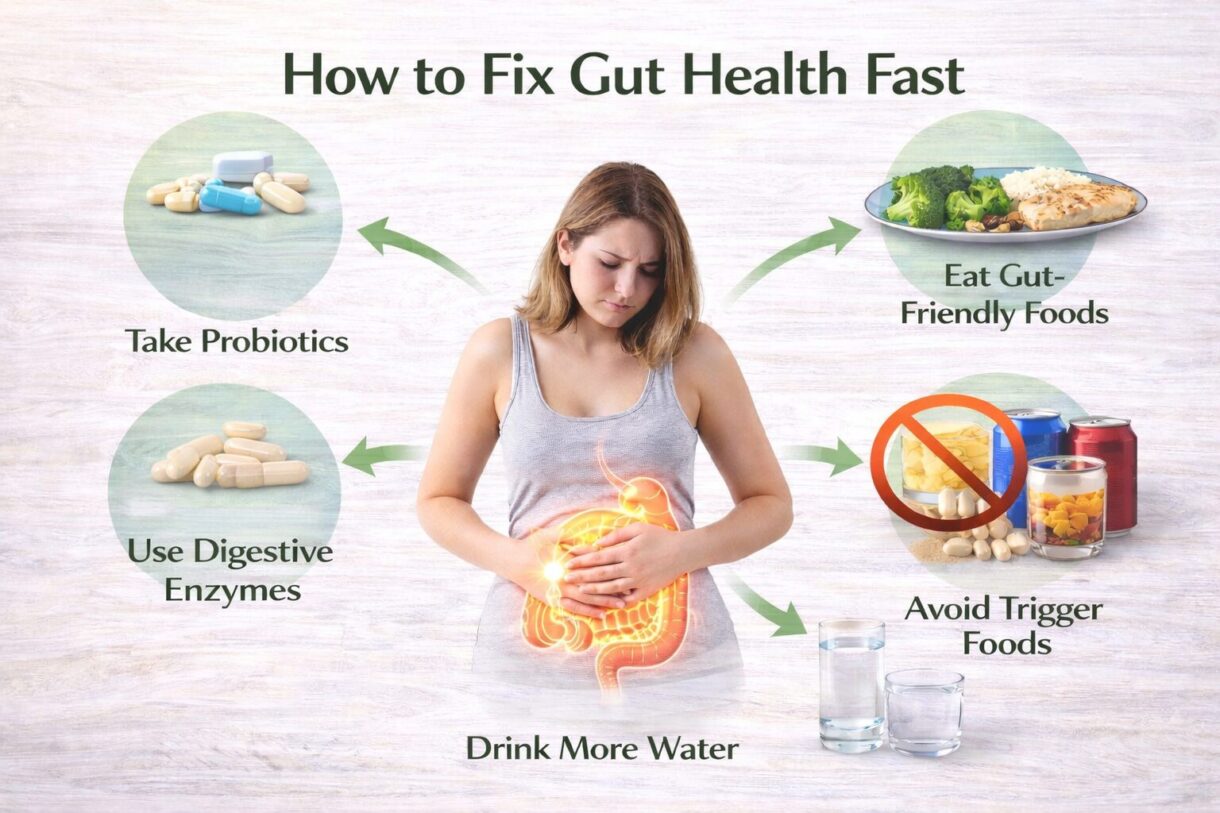
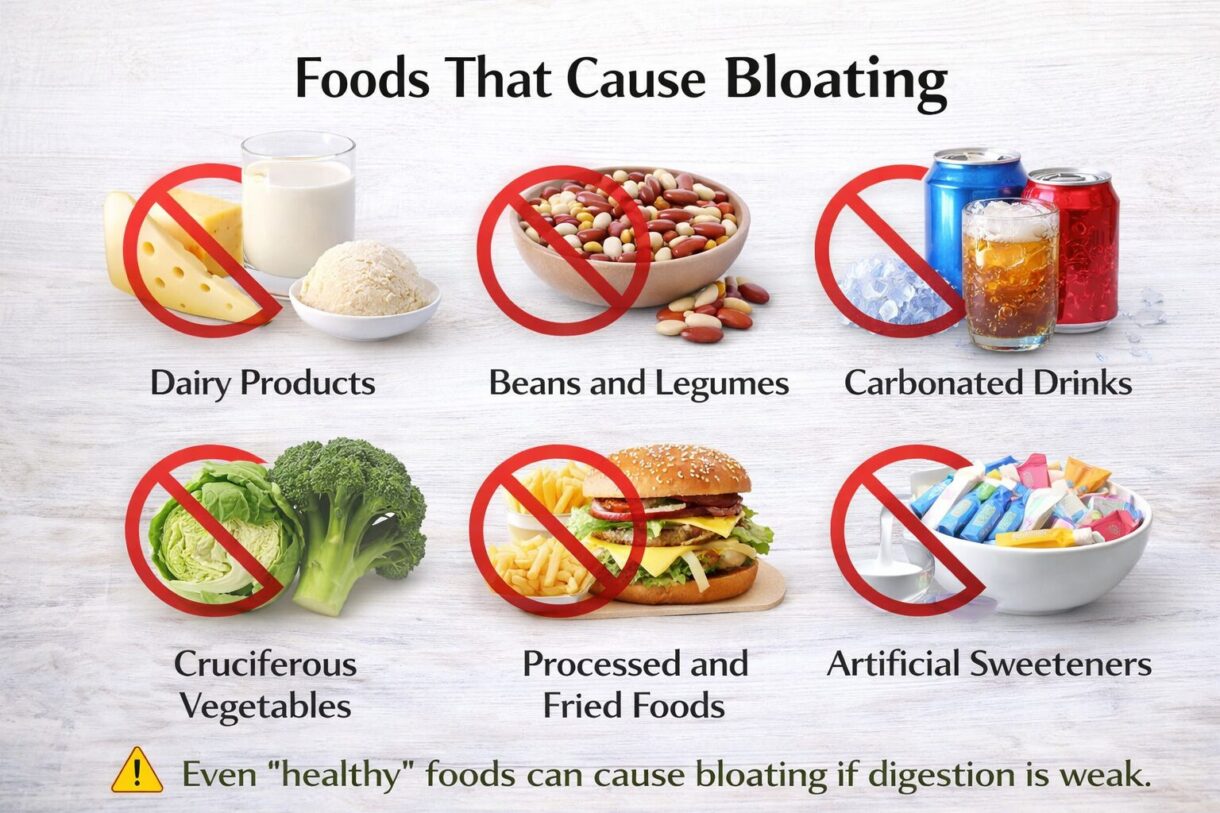
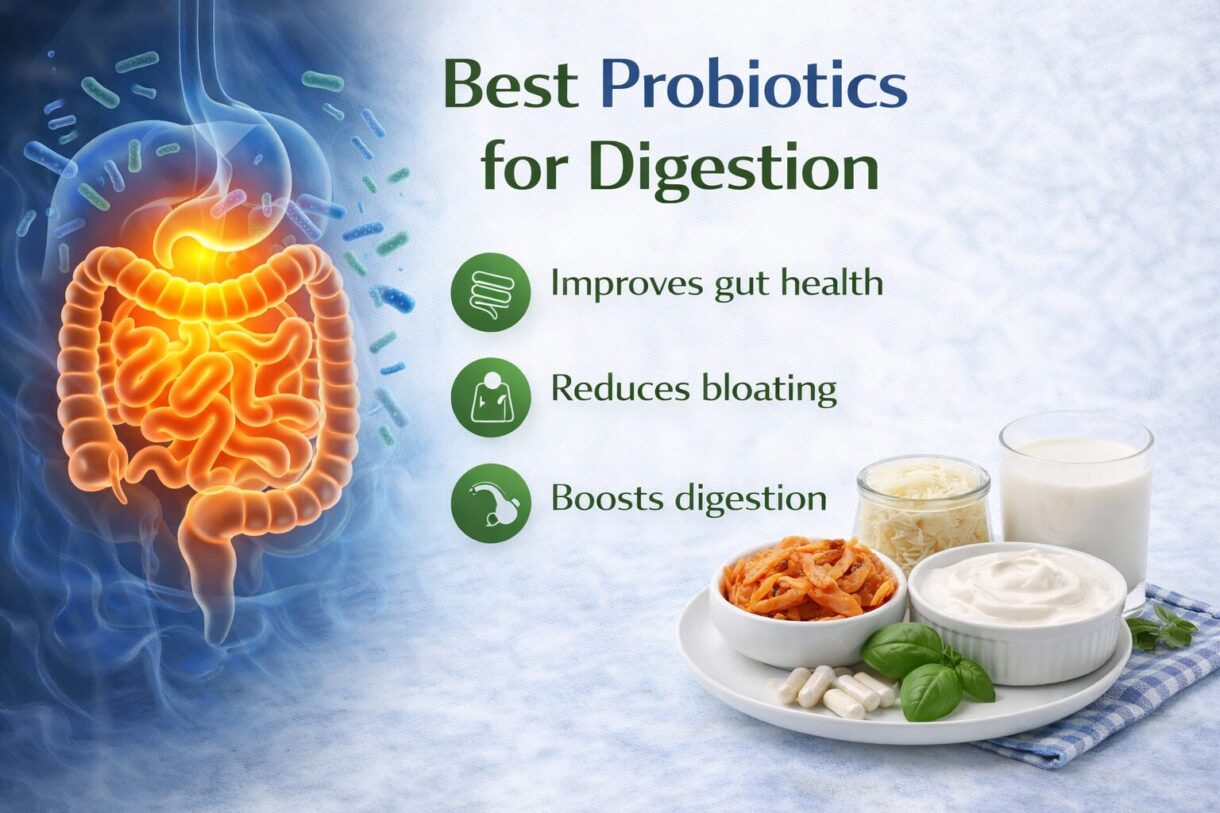
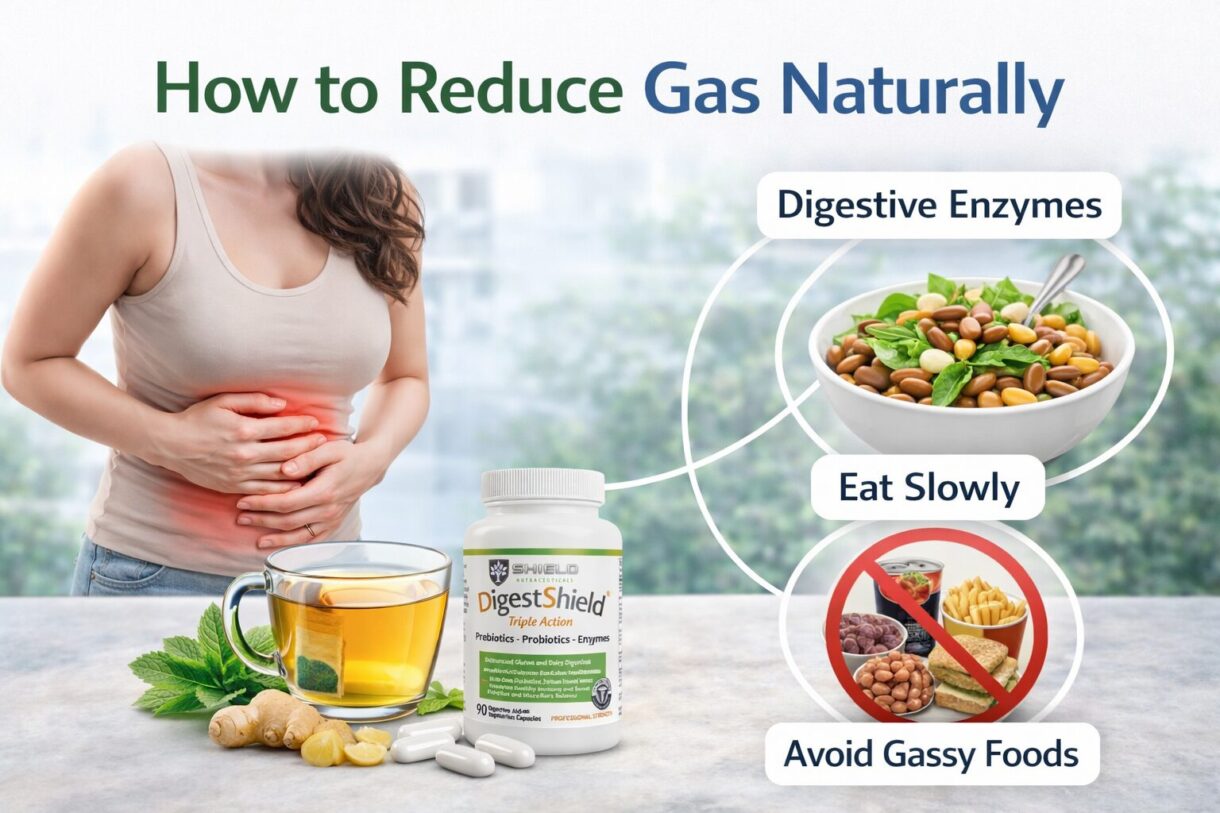
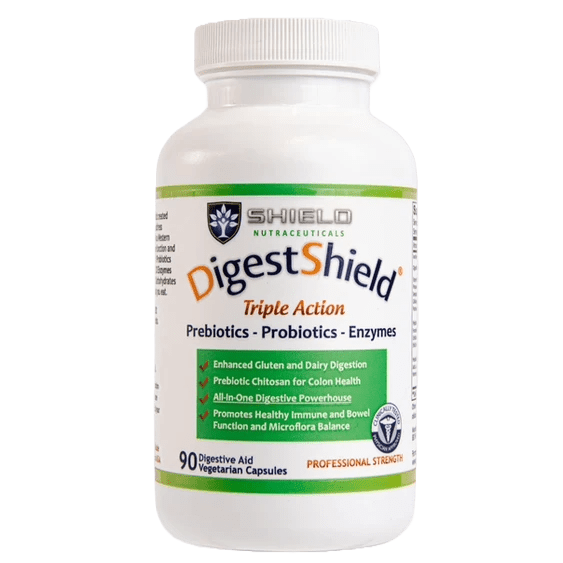
Maintaining optimal health in today’s fast-paced world can be challenging. Nutrient deficiencies, poor digestion, and a lack of essential vitamins can lead to fatigue, digestive discomfort, and overall poor well-being. That’s why choosing the best daily supplements for health is crucial. Whether you’re looking for top quality supplements or the best quality supplement brands, it’s important to select products that support your body’s unique needs. One such powerful solution is DigestShield®, a cutting-edge supplement by Shield Nutraceuticals that helps optimize digestion and overall health. Why Daily Supplements Are Essential for Health Even with a balanced diet, many people still lack essential nutrients due to soil depletion, food processing, and modern lifestyles. Top quality vitamins and best supplements to take for overall health can fill these gaps and ensure your body gets the nutrients it needs to function efficiently. Here are some key benefits of incorporating daily supplements: Supports Digestive Health – Digestive enzymes and probiotics help break down food efficiently, reducing bloating and discomfort. Boosts Immunity – Vitamins like C, D, and zinc play a vital role in strengthening the immune system. Enhances Energy Levels – B vitamins and iron are essential for maintaining energy throughout the day. Promotes Healthy Aging – Antioxidants and omega-3 fatty acids protect cells from damage and support brain health. Aids Gut Health – A well-balanced gut microbiome supports digestion, metabolism, and overall well-being. What Makes DigestShield® One of the Best Daily Supplements for Health? DigestShield® stands out among the best quality supplement brands because it combines probiotics, prebiotics, and digestive enzymes to support a healthier gut. Here’s why DigestShield® should be your go-to supplement: Comprehensive Digestive Support: Contains a blend of essential digestive enzymes that help break down proteins, fats, and carbohydrates, making digestion smoother and more efficient. Probiotics & Prebiotics: Encourages the growth of beneficial gut bacteria, which helps maintain a balanced digestive system. Reduces Food Sensitivities: Helps minimize reactions to dairy, gluten, and other common allergens. Top Quality Ingredients: Made with clinically tested and high-quality ingredients to ensure efficacy and safety. Promotes Nutrient Absorption: By improving digestion, your body can absorb more essential nutrients from food and other supplements. How to Choose the Best Daily Supplements for Health When selecting the top quality supplement brands, consider these factors: 1. Ingredient Transparency Choose brands that disclose their ingredients and use clinically studied components. DigestShield® is formulated with research-backed ingredients for optimal results. 2. No Harmful Additives Avoid supplements with artificial fillers, synthetic colors, or preservatives. Shield Nutraceuticals ensures its products are free from unnecessary additives. 3. Synergistic Formulation The best supplements work together to enhance absorption and effectiveness. DigestShield® combines probiotics, enzymes, and prebiotics to provide comprehensive gut health support. 4. Reputation and Reviews Look for customer testimonials and expert recommendations. DigestShield® has received positive feedback from users who have experienced improved digestion and overall well-being. Other Top Quality Supplements to Complement DigestShield® To maximize health benefits, consider pairing DigestShield® with other best supplements to take for overall health: Multivitamins – Fill nutritional gaps with a high-quality multivitamin. Omega-3 Fatty Acids – Supports heart, brain, and joint health. Vitamin D3 & K2 – Promotes strong bones and immune function. Magnesium – Essential for muscle function, relaxation, and energy production. Probiotics – Additional gut-supporting strains enhance digestive health. By combining it with other best supplements to take for overall health, you can achieve optimal wellness and maintain a balanced lifestyle. For instance, incorporating adaptogenic mushroom supplements from SporesMD into your routine can further support immune function and mental clarity. Invest in your health today with DigestShield® and experience the benefits of top quality vitamins and best quality supplement brands. How to Incorporate DigestShield® into Your Daily Routine For best results, take DigestShield® with meals to aid digestion and nutrient absorption. If you experience bloating or food sensitivities, using this supplement consistently can help alleviate discomfort and improve your digestive process. Frequently Asked Questions What is the best overall supplement for health? The best overall supplement depends on individual needs, but multivitamins, probiotics, omega-3 fatty acids, and digestive enzymes like DigestShield® are excellent choices for maintaining optimal health. What are the best supplements for a healthy life? The best supplements to take for overall health include probiotics, multivitamins, vitamin D3, omega-3 fatty acids, and magnesium. These essential nutrients support digestion, immunity, energy levels, and overall well-being. How do I find the best quality supplements? Look for top quality supplement brands that use clinically researched ingredients, avoid synthetic fillers, and have positive customer reviews. Shield Nutraceuticals ensures that DigestShield® meets high-quality standards for safety and effectiveness.   When it comes to the best daily supplements for health, DigestShield® by Shield Nutraceuticals is a game-changer. It is one of the top quality supplements that support digestion, nutrient absorption, and overall well-being. By combining it with other best supplements to take for overall health, you can achieve optimal wellness and maintain a balanced lifestyle. Invest in your health today with DigestShield® and experience the benefits of top quality vitamins and best quality supplement brands. Prioritize your digestive health and enhance your daily wellness with the right supplements!

Best Gut Health Supplements for Women in 2025

by in Digestion and Immunity March 10, 2025

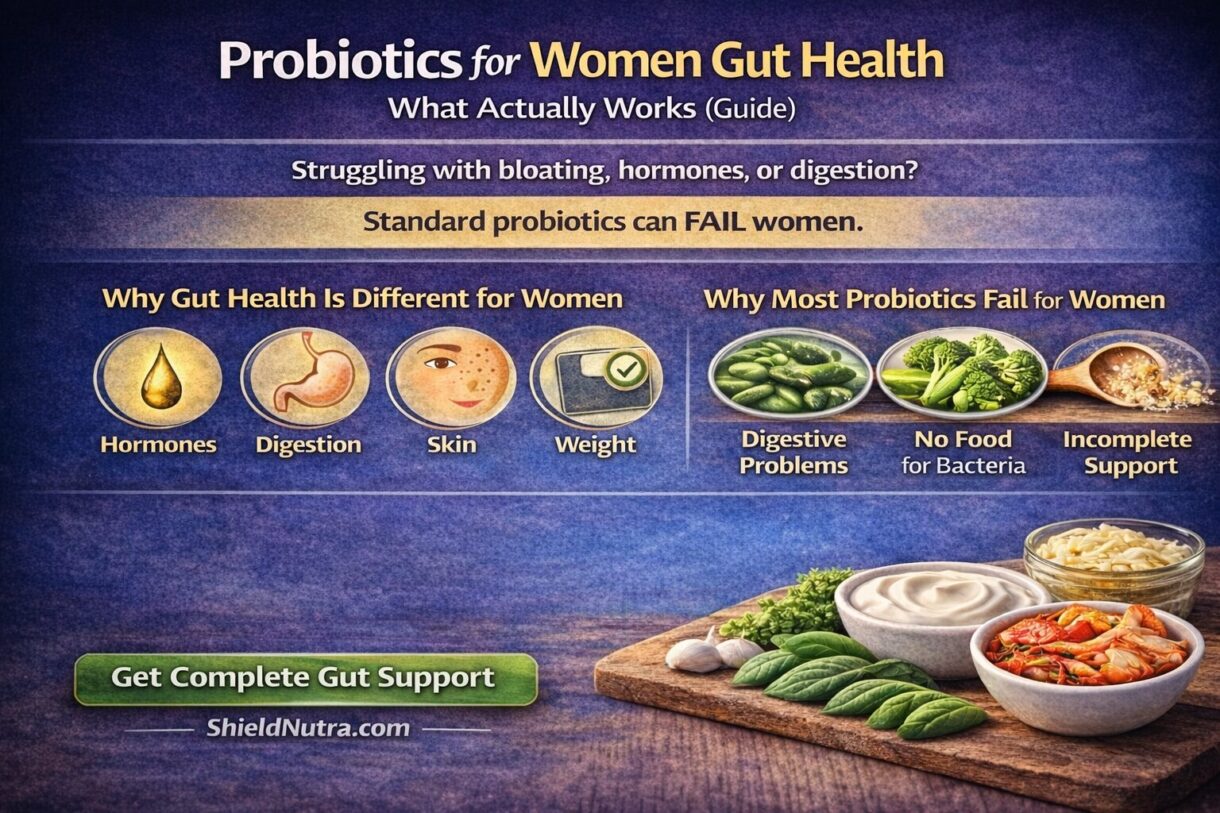
Are you tired of feeling low energy and facing gut issues every day? This blog post explains why gut health is essential for women’s well-being and offers clear advice on selecting the right supplement for your needs. Readers will learn about the best gut health supplements for women in 2025, hear honest reviews, and get simple lifestyle habits to support their gut. The content helps solve common problems linked to diet and discomfort while guiding you toward products that can boost your overall health. Key Takeaways Digestshield® combines probiotics, prebiotics, and enzymes to support women’s gut health a balanced gut aids nutrient absorption and hormone regulation the supplement formula targets digestive comfort and steady energy levels clear ingredient transparency helps meet individual health needs customer feedback indicates improved digestion and overall wellness Why Gut Health is Essential for Women’s Well-Being Maintaining a balanced gut promotes vitality, supports mood stability, and helps regulate hormone function. Many women encounter digestive challenges such as vomiting and discomfort, leading them to seek targeted medicine. Recent findings on plos underscore the role of beneficial microorganism in reducing digestive issues while boosting energy and overall wellness. How a Balanced Gut Supports Women’s Wellness & Energy Levels Researchers and specialists note that a balanced gut plays a key role in maintaining energy and overall wellness for women. A thriving microbiota in the abdomen supports nutrient absorption while targeted prebiotic and probiotic supplements help modulate digestion and reduce disturbances caused by virus interactions: Optimizes hormone regulation Supports regular energy levels Minimizes digestive discomfort Reduces the impact of virus-induced challenges A balanced digestive system fosters sustained daily activity by reducing common irritations and promoting stable well-being. Many women have experienced improved outcomes with proper supplementation and mindful diet choices that support both their microbiota and overall gut health. Common Digestive Struggles Women Face – And How to Solve Them Women often encounter persistent gut issues linked to modern dietary patterns, and research suggests that specific supplements such as inulin and kombucha may ease symptoms like bloating and even assist in controlling skin conditions such as acne. Industry analysis comparing top probiotics for men to top vaginal probiotics reveals noticeable differences in formulation and benefits that address these challenges: Inulin aids in supporting nutrient absorption Kombucha contributes natural enzymatic support Targeted gut supplements help manage skin concerns such as acne Comparative reviews highlight unique benefits of top probiotics for men Top vaginal probiotics cater to women-specific digestive needs Focused intervention through quality gut health supplements shows promising results by reducing discomfort and supporting balanced digestion. Such an approach guides women toward meaningful improvements in daily well-being by integrating effective nutrition with tailored supplement routines. The Connection Between Gut Health & Hormonal Balance Research has confirmed that a balanced gut microbiota plays a key role in regulating hormones, with best rated probiotics for women showing promise in supporting stress management and overall wellness. The connection between gut health and hormonal balance enables women to address common symptoms while easing discomfort and preventing issues such as dermatitis. Experts emphasize that selecting a trusted brand for gut health supplements leads to effective support of hormonal function and improves resilience against daily challenges. Quality formulations in 2025 offer practical solutions that improve the body’s balance and help mitigate discomfort linked to hormonal shifts. Choosing the Right Gut Health Supplement – What Women Need to Know DigestShield® reveals that probiotic support alone may not suffice. The supplement integrates prebiotics and enzymes to improve the stomach’s capacity to absorb dietary fiber, support the urinary system, and reduce constipation issues. Moreover, it highlights oligosaccharide benefits and cautions against overlooked ingredients in gut supplements, setting the stage for further insight. Why Probiotics Alone May Not Be Enough – The Role of DigestShield® DigestShield® provides a comprehensive blend that goes beyond what probiotics offer alone. It incorporates key elements such as enzymes and pectin to support nutrient absorption and boost overall nutrition, which can be crucial for those managing chronic kidney disease. Experts point out that relying solely on probiotics may leave gaps in essential nutrient support. Consumers are encouraged to check details provided through an email address during purchase, ensuring that DigestShield® meets specific health needs while optimizing nutrition and digestive balance. Prebiotics & Enzymes – The Secret Ingredients for Optimal Digestion The inclusion of prebiotics and enzymes in a quality supplement can improve digestion by supporting a balanced gastrointestinal tract. This approach encourages the development of beneficial strains, including lactococcus lactis and bifidobacterium bifidum, while utilizing polyphenol compounds to naturally assist the breakdown of fat and other nutrients. Experts note that targeted formulations with these ingredients may alleviate common digestive discomforts while promoting efficient nutrient absorption. A well-designed supplement that incorporates prebiotics and enzymes offers a practical solution for women who want to maintain optimal gut function and overall well-being. Hidden Ingredients to Watch Out for in Gut Supplements Many gut health supplements contain hidden additives that may trigger food intolerance and disturb glucose levels, affecting overall digestive comfort for women. Some formulations include miso derivatives, clostridium by-products, and unnecessary multivitamin components that do not directly contribute to gut balance and may obscure the true benefits of the product: Food intolerance concerns from unrecognized additives Irregular glucose management due to surplus ingredients Miso extracts that may not support targeted digestive needs Residual clostridium elements that can complicate gut flora Excess multivitamin content potentially masking core benefits Industry professionals recommend reviewing ingredient lists carefully to ensure that only supportive components are included to improve gut health. Consumers looking for the best gut supplements for women in 2025 are advised to prioritize products with clear, controlled ingredients that maintain a transparent formulation and address specific digestive concerns. The Best Gut Health Supplements for Women in 2025 – Top Picks & Benefits DigestShield® remains a distinctive women’s gut health solution, supported by extensive research and internal medicine expertise. It leverages prebiotic and probiotic blends, including bifidobacterium breve, to address small intestinal bacterial overgrowth and support digestion and immunity. Key

Chitosan – A Breakout Biopolymer for Bioplastics and Bacteriostatic Stretch Films

by in Uncategorized May 22, 2024

What is Chitosan? Chitosan, pronounced, “Kite’-O-San”, is a natural biopolymer derived from chitin, the structural component that gives mushrooms their rigidity and form, crustaceans their outer shell and insects their exoskeleton. Origin and Abundance Chitin is the second most abundant natural polysaccharide in nature, after cellulose. Most fungi contain 5%-7% chitin in their cell walls. Chitin is also found in the exoskeletons of crustaceans (crabs, shrimp, lobsters) and insects in levels from 10-40%. Pronunciation Guide Chitin: Pronounced “KITE-in” (emphasis on “kite”) Deacetylation: Pronounced “dee-a-SETTLE-ay-shun” (emphasis on “dee”) Acetyl: Pronounced “A-see-tl” (emphasis on “see”) Chemical Structure and Properties Chitosan is obtained through a process called deacetylation of chitin. This involves: Removing acetyl groups (CH3OH) from the chitin molecule Creating a polymer with free amine groups (NH2) This chemical transformation gives chitosan its positive charge, differentiating it from its parent compound, chitin. Solubility: Unlike chitin, chitosan is soluble in acidic to neutral solutions, making it more versatile for various applications. Our food grade mushroom chitosan oligosaccharide is soluble in water at any pH. It is bactericidal at pH 6.4 and below. To purchase wholesale, click HERE Biocompatibility and Biodegradability: Chitosan is known for its excellent biocompatibility and biodegradability. It’s non-toxic and can be broken down by natural biological processes. Uses and Applications: Chitosan, a versatile biopolymer derived from chitin, has found widespread applications across multiple industries due to its unique properties. This biodegradable and non-toxic compound offers a range of benefits in various sectors: Healthcare and Pharmaceuticals: Chitosan’s biocompatibility makes it invaluable in medical applications. It is used in wound healing products, drug delivery systems, and as a biomaterial in tissue engineering. Its ability to promote healing and control drug release has made it a popular choice in the pharmaceutical industry. Environmental Protection: In water treatment, chitosan’s capacity to bind with heavy metals and other contaminants makes it an effective agent for purification processes. This property has led to its use in both industrial and municipal water treatment facilities. Agriculture: Farmers and agronomists utilize chitosan as a natural biostimulant and elicitor. It enhances plant growth and boosts resistance against pathogens, contributing to more sustainable agricultural practices. Food Industry: Chitosan serves multiple purposes in food production and preservation. It acts as an antimicrobial food additive and can be used to create edible films or coatings that extend the shelf life of perishable products. Beverage Production: In the alcoholic beverage industry, chitosan is employed for clarification of wines, beers, and whiskeys, helping to improve their clarity and stability. Dietary Supplements: The compound is also used in the production of dietary supplements, capitalizing on its potential health benefits. Plastics Industry: Chitosan’s biodegradable nature makes it an attractive option for developing eco-friendly plastic alternatives. The wide-ranging applications of chitosan stem from its unique combination of biocompatibility, biodegradability, non-toxicity, and positive charge. What are the benefits & functions of mushroom chitosan when combined with PLA (Polylactic Acid)? Chitosan, sourced from mushrooms, offers several interesting benefits and functions when incorporated into polylactic acid (PLA) formulas. PLA is a biodegradable polymer derived from renewable sources such as corn starch or sugarcane, commonly used in bioplastics. Here’s how mushroom chitosan can enhance PLA: Polylactic acid (PLA) is a widely used bioplastic derived from renewable resources like corn starch or sugarcane. While PLA is biodegradable, its degradation rate in natural environments can be slow. Chitosan, a natural polymer derived from crustacean shells, has been found to enhance the biodegradability of PLA when used as a composite material. Benefits of Chitosan-PLA Composites Improved Biodegradation: Chitosan can accelerate the degradation process of PLA, making the composite more eco-friendly by improving its biodegradability in natural environments. Reduced Environmental Impact: By enhancing the biodegradability of PLA, chitosan-PLA composites can help reduce the accumulation of plastic waste in landfills and oceans. Potential Applications: Chitosan-PLA composites can be used in various applications, such as packaging materials, disposable utensils, and agricultural mulch films, where biodegradability is a desirable feature. Mechanism of Biodegradation Enhancement Chitosan, being a natural polymer, is susceptible to enzymatic degradation by microorganisms in the environment. When chitosan is incorporated into PLA, it creates a more porous structure that allows for better penetration of enzymes and microorganisms. This increased surface area and accessibility facilitate the breakdown of the composite material, leading to faster biodegradation compared to pure PLA. Factors Affecting Biodegradation Rate The biodegradation rate of chitosan-PLA composites can be influenced by various factors, such as: Chitosan content: Higher concentrations of chitosan in the composite generally result in faster biodegradation. Molecular weight of chitosan: Lower molecular weight chitosan tends to degrade more quickly, leading to faster biodegradation of the composite. Environmental conditions: Temperature, humidity, and the presence of specific microorganisms can affect the rate of biodegradation in natural environments. Environmental Benefits of Chitosan-PLA Composites Reduced Carbon Footprint Chitosan-PLA composites contribute to a lower carbon footprint compared to traditional petroleum-based plastics. This reduction is primarily due to: Renewable Sourcing: Both materials are obtained from renewable resources. PLA is typically derived from corn starch or sugarcane, while chitosan is extracted from crustacean shells, a byproduct of the seafood industry. Biodegradability: The enhanced biodegradability of these composites means they break down more quickly in natural environments, releasing less greenhouse gases over time compared to persistent synthetic plastics. Energy Efficiency: The production of chitosan-PLA composites often requires less energy compared to the manufacturing of conventional plastics, further reducing their overall carbon footprint. Decreased Reliance on Fossil Fuels By utilizing renewable resources, chitosan-PLA composites help decrease dependence on fossil fuels: Resource Conservation: The use of agricultural and marine byproducts as raw materials conserves non-renewable petroleum resources. Circular Economy: These materials promote a more circular economy by repurposing waste products (like crustacean shells) into valuable materials. Reduced Extraction Impact: Less reliance on fossil fuels means reduced environmental impacts associated with oil extraction and processing. Additional Environmental Benefits Reduced Plastic Pollution: The biodegradability of chitosan-PLA composites helps mitigate the accumulation of plastic waste in ecosystems. Soil Health: When used in agricultural applications, these composites can break down into non-toxic components that may even benefit soil quality. Water

Chitosan in Agriculture: Benefits, Functions, and Dosages

by in Uncategorized May 19, 2024

Chitosan is increasingly recognized in the agricultural sector as a versatile biopolymer with significant potential for sustainable farming. While traditionally derived from crustacean shells, recent advancements (2020-2025) have expanded commercial availability to include fungal and insect (Black Soldier Fly) sources[1,5]. This report outlines the primary benefits, functional mechanisms, application methods, and comparative advantages of these three distinct chitosan sources based on the latest research. Key Benefits of Chitosan in Agriculture The application of chitosan in farming systems provides multifaceted advantages that contribute to both crop health and yield quality. Recent field trials have quantified these benefits with significant precision[6,7]. Figure 1: Documented crop yield improvements from recent field trials (2020-2024)[6,7,9] Plant Growth Enhancement: It acts as a potent biostimulant that accelerates growth processes. Recent studies (2024) showed a 46% increase in tomato yield[7] and 40% increase in potato fresh weight[6]. Disease Resistance: By boosting the plant’s innate immune system, chitosan provides broad-spectrum resistance against pathogens. Trials have demonstrated significant reduction in disease incidence in tomatoes[2,10]. Pest Deterrence: It functions as a natural deterrent against common pests, reducing reliance on synthetic pesticides while maintaining ecological balance[1]. Soil Health Improvement: Chitosan aids in soil restructuring, enhancing microbial activity and nutrient retention capacity[3]. Seed Germination: Treating seeds with chitosan has shown remarkable results, with wheat seedling vigor improving significantly in recent trials[1,7]. Stress Tolerance: It significantly enhances plant resilience against drought and salinity. 2025 research indicates that chitosan-treated crops maintained better health under severe water deficit conditions compared to untreated controls[3,9]. How Chitosan Works in Agriculture Chitosan operates through several functional mechanisms depending on how it is applied to the crop or soil environment[10]: As a Biopesticide: Used in foliar sprays or soil additives to control pest populations directly or indirectly through chitinase induction. As a Biostimulant: Promotes physiological health by triggering growth hormones and enhancing metabolic activity[2]. As a Soil Amendment: Improvements in physical and biological soil quality lead to increased nutrient bioavailability[3,6]. As a Seed Treatment: Protective coating enhances germination probability and shields early growth stages from soil-borne pathogens[7]. Via Foliar Application: Sprays trigger systemic acquired resistance (SAR), preparing the crop’s defense mechanisms before infection occurs[2]. Application Methods and Dosages The effectiveness of chitosan is highly dependent on the method of application and the concentration used[10]. The following table summarizes common forms and their recommended usage parameters. Figure 2: Typical concentration ranges for different chitosan application methods Form Primary Benefits Function Typical Dosage / Application Foliar Sprays Disease prevention, pest deterrence[2]. Stimulates defense mechanisms when applied to leaves. Concentration: 0.1% – 1.0%. Frequency depends on pest/disease pressure. Seed Treatments Improved germination, early disease protection[7]. Coats seeds to enhance growth and immunity. Concentration: 0.5% – 1.5%. Applied as a coating before sowing. Soil Amendments Enhanced soil quality, water retention, root growth[3]. Improves soil structure and microbial activity. Varies based on soil type; generally applied at start of crop cycle. Fertilizer Additives Increased nutrient uptake efficiency[4]. Incorporated into fertilizers to boost efficacy. Small percentage of total fertilizer composition. Chitosan Nanoparticles Targeted delivery of nutrients or agents[6]. Precise application, minimizing waste. Minimal quantities due to high efficiency; specific to target need. Comparing Chitosan Sources: Shellfish, Fungal, and Insect Modern agriculture now benefits from three distinct sources of chitosan. Understanding the differences is crucial for selecting the right product for specific applications. Figure 3: Agricultural-grade chitosan cost comparison by source (USD/kg, 2024 pricing) 1. Shellfish / Crustacean Chitosan Derived from the shells of crabs, shrimp, and lobsters, this is the most traditional source. Purity: High (85-95% deacetylation). Cost: $27 – $90 per kg (Agricultural Grade). Advantages: Well-established efficacy, widely available, extensive research backing. Considerations: Potential shellfish allergen concerns; marine sustainability issues. 2. Fungal / Mushroom Chitosan Sourced from the cell walls of fungi, such as oyster mushrooms. Purity: High (85-90% deacetylation). Cost: $39 – $62 per kg (Agricultural Grade). Advantages: 100% vegan-friendly, allergen-free, consistent non-animal source. Considerations: Emerging market with slightly different molecular structure compared to marine sources. 3. Insect Chitosan (Black Soldier Fly) Extracted from the exoskeletons of Hermetia illucens (Black Soldier Fly) larvae, representing the newest innovation in biopolymers[1,5]. Purity: Ultra-high (>95% deacetylation, up to 99.9%). Cost: $60 – $90 per kg (Basic Oligosaccharide); $140 – $185 per kg (Advanced Derivatives). Advantages: Pharmaceutical-grade purity, consistent batch quality, completely sustainable (circular economy), allergen-free. Unique Benefits: Superior molecular weight consistency and enhanced solubility properties make it ideal for high-precision agricultural applications. 2024 Wholesale Pricing Guide The following table reflects current 2024 pricing for agricultural-grade chitosan products: Source Product Type Agricultural Grade Price Key Specifications Shellfish Chitosan Oligosaccharide $90/kg (1kg MOQ) Water-soluble, DDA>85% Shellfish Chitosan Hydrochloride $63/kg (1kg MOQ) Water-soluble, 5-30cps viscosity Shellfish Agricultural Chitosan $58.50/kg (bulk) DDA>85%, 20-100cps Fungal Chitosan Oligosaccharide $62/kg (1kg MOQ) Water-soluble, AG grade Fungal Native Chitosan $39/kg (1kg MOQ) Acid-soluble, industrial grade Insect (BSF) Chitosan Oligosaccharide-HCl $90/kg (1kg); $60/kg (1+ ton) Ultra-high purity Insect (BSF) Native Chitosan $70/kg (1kg); $55/kg (1+ ton) Pharmaceutical grade Insect (BSF) Quaternary Chitosan $175/kg (1kg); $145/kg (500kg+) Advanced derivative Types of Chitosan for Agriculture Beyond the source, the chemical form of chitosan plays a crucial role in its applicability[10]. Acid-Soluble Chitosan Soluble only in acidic solutions. It is commonly used for antifungal properties and growth stimulation. While effective, its acidic nature requires careful management in certain soil types. Chitosan Hydrochloride (Water-Soluble) A salt form known for excellent water solubility, making it easier to apply via foliar sprays and irrigation. It is generally effective for seed germination but requires monitoring to avoid phytotoxicity at high concentrations. Chitosan Oligosaccharide Consists of shorter polymer chains, offering high solubility and bioactivity. It is effective at lower concentrations and easily absorbed by plants. While often more expensive due to processing requirements, its efficiency as a biostimulant is significant[10]. Advanced Applications: Biochar-Chitosan Composites One of the most promising developments in sustainable agriculture (2024-2025) is the synergistic combination of chitosan with biochar. Biochar, a carbon-rich material produced from biomass, acts as a permanent soil amendment, while chitosan provides immediate biological stimulation[3]. Figure 4: Distribution of benefits from chitosan-biochar soil amendments[3] Benefits of Chitosan-Biochar Composites Improved Soil Structure: The combination significantly enhances soil porosity and water retention, with studies showing up to a 140% increase in specific leaf

Chitosan for Eco-friendly Dust Suppression

by in Uncategorized May 9, 2024

Chitosan as a Dust Suppressant Origin and Abundance Chitin is the second most abundant natural polysaccharide in nature, after cellulose. Most fungi contain 5%-7% chitin in their cell walls. Chitin is also found in the exoskeletons of crustaceans (crabs, shrimp, lobsters) and insects. Chitosan is obtained through a process called deacetylation of chitin. This involves: Removing acetyl groups (CH3OH) from the chitin molecule Creating a polymer with free amine groups (NH2) This chemical transformation gives chitosan its positive charge, differentiating it from its parent compound, chitin. Solubility: Unlike chitin, chitosan is soluble in acidic to neutral solutions, making it more versatile for various applications. Our food-grade mushroom chitosan oligosaccharide is soluble in water at any pH. It is bactericidal at pH 6.4 and below. To purchase wholesale, click HERE Biocompatibility and Biodegradability: Chitosan is known for its excellent biocompatibility and biodegradability. It’s non-toxic and can be broken down by natural biological processes. What are the benefits & functions of chitosan in dust suppression? Chitosan serves as an effective ingredient in dust suppressants due to its unique properties and environmental benefits. Here’s a breakdown of its benefits and functions: Benefits of Chitosan in Dust Suppressants: Environmental Safety: Chitosan is derived from natural sources, typically from the shells of crustaceans or fungal sources, making it biodegradable and non-toxic. This makes it an eco-friendly choice compared to synthetic chemicals. Health Safety: Being a natural compound, chitosan is safer for human and animal health, reducing the risk of respiratory or other health issues associated with chemical dust suppressants. Efficiency: It is highly effective at binding dust particles together, which helps in significantly reducing the amount of airborne dust. Water Retention: Chitosan can improve moisture retention in the soil or other treated surfaces, helping to keep the dust settled for longer periods. Cost-Effectiveness: It can be produced from waste products from the seafood industry, making it a cost-effective resource for dust control solutions. Functions of Chitosan in Dust Suppressants: Particle Agglomeration: Chitosan works by causing small dust particles to clump together into larger aggregates. These larger particles are less likely to be dispersed by wind or mechanical disturbance. Surface Crusting: When applied to surfaces, chitosan can form a crust that binds dust particles to the surface, preventing them from becoming airborne. Moisture Barrier: The crusting effect also helps in retaining underlying moisture, which is crucial in dust suppression by preventing the surface from drying out. Chemical Binding: Chitosan has the ability to chemically bind with particles due to its cationic nature, which enhances its dust-binding capabilities. Sustainable Use: The use of chitosan contributes to sustainable practices in industries like mining and construction, where dust control is critical for environmental compliance and community health.           Chitosan offers a natural, effective, and environmentally sustainable solution for dust suppression across various sectors. What common forms of chitosan are used in dust suppression? Chitosan can be used in various forms when applied as a dust suppressant, each suitable for different environments and application methods. The addition ratios and suitable applications for each form of chitosan, as a dust suppressant, vary based on the specific product formulation and the environmental conditions of the application site. Here are some of the common forms, along with general guide on how these might typically be configured: Solution or Suspension: The most common form is a water-based solution or suspension. This liquid form can be easily sprayed over large areas using standard spraying equipment. It’s effective for treating roads, construction sites, and open fields. Ratio: Typically, chitosan solutions for dust suppression are prepared at concentrations ranging from 0.5% to 2% by weight. The exact concentration depends on the desired viscosity and the level of dust control needed. Applications: Ideal for widespread areas such as unpaved roads, construction sites, and agricultural fields. The liquid form allows for easy and uniform application using sprayers. Gel: Chitosan can be formulated into a gel, which might be used in areas needing a thicker, more adhesive application. Gels are particularly useful in controlling dust on slopes or vertical surfaces where runoff is a concern. Ratio: Chitosan gels are usually more concentrated than liquid solutions, often around 2% to 5% chitosan by weight. The gel formation is achieved by increasing the concentration or by adding a gelling agent. Applications: Suitable for steep slopes, embankments, and other areas where runoff control is essential. The gel form sticks better to vertical or inclined surfaces, providing longer-lasting dust control. Powder: Chitosan powder can be spread directly onto surfaces or mixed with other materials (like soil or aggregate) to form a composite material that binds dust particles. This form is useful for smaller or more contained areas. Ratio: Pure chitosan powder can be applied directly or mixed with soil in ratios varying widely based on the soil type and specific requirements, sometimes up to a 1:10 chitosan-to-soil ratio. Applications: Effective for small, confined areas or in situations where mixing chitosan directly with the ground material is feasible. This form is also used in composite materials for road and pathway stabilization. Pellets or Granules: For ease of application over very large or difficult-to-reach areas, chitosan can be pelletized or granulated. These can be distributed mechanically and will dissolve under ambient moisture conditions, releasing chitosan that helps in dust suppression. Ratio: Chitosan pellets or granules are typically produced with a concentration of chitosan similar to powders, but they are processed into larger, more manageable forms for mechanical spreading. Applications: Best for large, inaccessible areas such as open fields, large construction sites, and in reclamation areas where traditional spraying is impractical. They can be spread manually or with a mechanical spreader. Each form of chitosan offers specific advantages depending on the application requirements, such as the area size, the nature of the surface, and the expected duration of dust suppression needed. In all cases, the specific formulation and application methods should be adjusted based on local environmental regulations, the specific type of dust to be controlled, and the characteristics of the site (e.g., soil type, weather

Bad Actors

by in Articles, Digestion and Immunity March 21, 2023

We mention “bad actors” frequently on our website because there are so many of them in the industrialized food supply. It is our goal to raise awareness about this fact so that we might contribute to improving your health. To better understand what these bad actors are and why they are a problem, keep reading. Gluten Gluten is a blessing and a curse. It is responsible for giving bread and other baked goods their wonderfully chewy, elastic texture. However, recent evidence tells us that it is also very difficult to digest and responsible for immune activation and leaky gut in many individuals. Gluten works in bread by forming an elastic web, which traps air and carbon dioxide during baking, leading to a fluffy, squishy lattice. This makes for fantastic texture in baked goods. Just think of a fresh-baked, still steaming roll. Gluten works in your small intestine by binding to special receptors that signal a hormone to loosen the tight junctions between the cells there. This makes for less-than-fantastic opportunities for gluten and the other bad actors to trigger an immune response, causing damage to your cells. Just think of bloating, indigestion and gut pain. The long-term effects of gluten exposure are worse than indigestion and gut pain, though. Researchers have theorized that repeatedly weakening the tight junctions of your gut by exposing it to gluten almost continually could be one of the steps to autoimmune diseases. Lectins Plant lectins are a blessing for plants but a curse for all of us. Lectins are found in nearly 40% of the American food supply but wheat is the worst source. Plants evolved these lectins to work as deterrents to their predators.  They are proteins that are really good at sticking to the sugars in our cells. After they are good and stuck, they can actually destroy the cells they are stuck to. Just like gluten, this creates opportunity for lectins and other bad actors to get past the wall and into the bloodstream Again, researchers fear that over time and with repeated exposure, this weakening of the integrity of the gut wall could open the door for chronic inflammatory and autoimmune diseases. We call lectins ninjas because they have been secretly assassinating cells in our gut for a long time. The science shining a light on these ninjas is called lectinology and is relatively new. Lectinology has found that we can protect ourselves from these ninjas by using decoy sugars.  Bad Yeast and Bacteria Our bodies are home to billions of bacteria and yeast all of the time. Most of the time, they are helping us by digesting things that we can’t, making vitamins, and boosting our immune system. Sometimes, however, certain yeast and bacteria can get out of control and cause problems. Think of the situation like a house party. Lots of people are there and most of them are having a great time and improving the atmosphere with their jolliness and good mood. But there are always a few people at parties that just have to take it too far. They drink too much, they make too much noise, they go into parts of the house you asked them not to and sometimes they break stuff. Your gut is just like that – most of the yeast and bacteria are there having a great time and making the place better but there are a few of the party goers that will take it too far if given the chance. A way to prevent this is by taking a high quality probiotic. The term probiotic is a fancy way of saying “good bacteria.” Probiotics are like a really well thought out party invite list. You’re putting only good, well behaved bacteria into your gut so that everyone has a great time and the environment is made better. Undigested Fats, Carbohydrates, and Proteins It is a little unfair of us to call these bad actors because they are just foods that are minding their own business but accidentally find themselves where they are not wanted. The immune system is not particularly understanding about things being where they are not supposed to be in the body. Undigested foods that stumble through the holes in a leaky gut get treated just like any other invader. Fats, carbohydrates, and proteins need to be broken down into their building blocks before the body can use them. When gluten or lectins put holes in the wall, sometimes these foods slip through before they are small enough to be used and this can activate the immune system. There are two good ways to minimize the risk of this happening: heal the gut wall and provide extra enzymes to more quickly break these foods down. Enzymes are chemicals that the body uses to break foods into small enough parts for absorption. As you know, not all foods are created nutritionally equal. This applies to the digestibility of foods as well. We’ve covered how gluten and lectins are resistant to digestion but they are not the only ones: Lactose, the sugar found in dairy products, and phytate, the storage form of phosphorus in plants, can also be difficult to break down.

In-Depth Look at Dietary Bad Actors

by in Articles, Bad Actors March 15, 2023

Dietary Bad Actors Dietary bad actors refer to things we eat which can cause digestive distress or illness. The things we eat were not created equal. Some are a benefit to us and others can be dangerous. There are some foods that contain what has become known as “anti-nutrients” that are always a problem and others that can become a problem in certain situations. We call these problematic foods dietary bad actors and they are the focus of our research at Shield Nutraceuticals. We developed DigestShield® to help mitigate the damage that these dietary bad actors can cause. Gluten The term gluten refers to a compound of two storage proteins found in the endosperm of wheat, barley, and rye. The proteins glutenin and gliadin are bound together with starch inside the wheat germ. These proteins provide many functional properties when used in baking and are the main source of protein in those grains. (1) Of the two proteins in gluten, glutenin is the most important for baking, having the greatest effect on elasticity and texture of the final product. (2) Gliadin is the protein fraction that causes problems during human digestion and the protein that triggers an immune response in the body after ingestion. (3)   Gliadin has been shown to produce both innate and adaptive immune responses and is thought to be involved with the pathogenesis of many autoimmune diseases. Most importantly to note, it has recently been shown that gliadin can promote an immune response in individuals with or without the genetic predisposition for reaction. (4) In addition to an immune and inflammatory response, gliadin also contributes to the development of a condition known as leaky gut in which intestinal permeability is increased and molecules of inappropriate size are allowed through the intestinal wall. Immune Response It has long been understood that gliadin produced an immune response in those with celiac disease (5) but recently researchers have discovered that gliadin also produces an immune response in healthy individuals. (6) The immune response is not uniform among individuals and a differing severity of response is not well understood. Most likely, as with all immunity, it is based upon a variety of factors including genetic susceptibility, intestinal permeability, environmental factors, gut flora, and overall health. Innate Immunity Though it is still not well understood, it has been shown that gliadin can trigger a response from the innate immune system and cause intestinal and extra-intestinal symptoms in non-celiac individuals. (6-8) In individuals with celiac disease, the innate immune system trigger is a precursor to adaptive immunity involvement. A large part of gliadin’s ability to elicit a response from the innate immune system is based upon its resistance to degradation (9) by the digestive process and its ability to cross the epithelial wall relatively intact. This allows gliadin, as a macromolecule, access to areas where many innate immune cells are found and the interaction is inevitable. Once this interaction occurs, gliadin shows the ability to activate undifferentiated immune cells that then proliferate while simultaneously producing pro-inflammatory hormones. This hormone production results in several downstream inflammatory responses. (10) Adaptive Immunity Though the adaptive immune system does not appear to play a role in the deleterious effects that gluten has on healthy, non-celiac individuals, gliadin very demonstrably activates the adaptive immune response in genetically susceptible individuals. (5) The immune response triggered in celiac individuals is varied and aggressive. It includes activation of T-cells, and eventually the autoimmune targeting of tissue transglutaminase in the body’s cells. (11) Leaky Gut The potentially greater threat posed by gluten is the role that it plays in intestinal permeability. For reasons not yet understood, gliadin has the ability to bind to receptors in the intestine that signal for the release of a hormone, which promotes the tight junctions of the epithelial cells to be degraded. Once these tight junctions are opened gliadin, as well as other pathogens, can bypass the physical barrier of the gut and interact directly with immune cells. (12) Plant Lectins Lectin is a broad term for a class of proteins found in all plants and animals. We have lectins in our bodies that serve a wide variety of functions including regulation of serum protein levels, removal of glycoproteins from the circulatory system, and mediation of important immune functions. (13) However, many of the plants that are part of our food supply contain lectins with a very different and specific function: defense. Lectins are the defense mechanism against predators, including fungi, that seek to eat the plant. Lectins are designed to cause digestive distress to keep predators away. Lectins are found in the greatest concentration in grains (especially wheat), legumes such as soy, nuts, and seeds, and nightshade vegetables. It has been estimated that there are concentrated sources of lectins in 30-40 percent of the American diet (14) though that figure is more than likely higher as the survey of foods it is based on was done in 1980 and our food supply has become more filled with wheat, soy, and potato based processed foods since then.   Much like gluten, lectins have been shown to be resistant to cooking and the digestive process. (15) Because they are not degraded by the human digestive process, many lectins reach the gut intact where they perform their defensive attack on the epithelial cells that line the small intestine. Though lectins may play a role in the pathogenesis of many autoimmune diseases just like gluten, the likely mechanisms are different. Unlike gluten, lectins directly damage the cells that they attach to. At first, this means epithelial cells but once a leaky gut has been created and the lectins are able to enter the bloodstream, they may attach to any of the tissues in the body. (16) Leaky Gut Lectins increase intestinal permeability by directly binding to and destroying epithelial cells. (17) Once through the epithelial barrier, not only do lectins bind to and destroy cells in other parts of the body, but they may also lead to an

An In-Depth Look at Human Digestion

by in Articles, Digestion and Immunity March 1, 2023

Human Digestion Human digestion starts at the mouth and ends at the anus. There are several mechanisms in the mouth that immediately begin to break down the foods we eat and prepare them for the rest of the digestive process. Through the process of mastication, or chewing, we are physically breaking the food into smaller pieces, which will help it travel more easily through the rest of the digestive system as well as increase the surface area available for the chemical agents in our body to bind to and break down the food. Glands under the tongue secrete saliva, a mixture of water, mucus, proteins, mineral salts and the enzymes lingual lipase and salivary amylase. Saliva moistens the food and begins to break down the fats and carbohydrates while the teeth and tongue combine the food into a mushy ball. As we swallow, this ball, now referred to as a bolus, is pushed to the back of the oral cavity and into the esophagus. A flap of muscle known as the epiglottis closes over the trachea, or windpipe, preventing any swallowed solids or liquids from entering the lungs. Once in the esophagus, the bolus is moved into the stomach via a process called peristalsis, which is a downward wave of muscle contraction. Peristalsis continues through most of the digestive system and is the primary mechanism that moves foods through the digestive tract. This action is also referred to as a “housecleaning wave”. Where the esophagus attaches to the stomach, there is a valve called the lower esophageal sphincter that regulates the movement of material from the stomach. In normal circumstances, it stays closed except when allowing a bolus to pass from the esophagus into the stomach. It typically takes roughly 10 seconds for food to pass from the top of the esophagus to the stomach. Stomach The stomach is essentially a bag made of three layers of muscle. Because of this muscled composition, the stomach is capable of contraction and expansion. It can expand to accommodate roughly a liter of food and liquid at once before any distention pressure is felt. It is also this ability to expand and contract that allows the stomach to mix, grind and churn the bolus. Additionally, 1.2 to 1.5 liters of gastric juice is secreted per day into the stomach. Gastric juice is a mixture of water, hydrochloric acid, electrolytes (sodium, potassium, calcium, phosphate, sulfate, and bicarbonate), mucus and enzymes. This juice is highly acidic due to its hydrochloric acid content and contains enzymes, both to break the bolus down further and make it more soluble in preparation for absorption to occur in the small intestine. At this point, the semisolid mixture created from the bolus is called chyme. While in the stomach, some absorption can occur though not very much. Small amounts of fluid (such as water and alcohol) can be absorbed from the stomach as well as some simple sugars like glucose and some amino acids. Many pharmacological agents are absorbed here as well. The time that the chyme stays in the stomach depends on the chemical and physical composition of the meal as well as the specific physiology of the individual. Fluids empty the most rapidly followed by carbohydrate, protein, and fat in that order. After an average of 2 to 4 hours in the stomach, when the food particles in the chyme have been reduced sufficiently in size and are at the appropriate level of solubility, the chyme will move through the valve at the base of the stomach, called the pyloric sphincter into the first section of the small intestine called the duodenum. (doo-oh-dee’-num) Small Intestine The small intestine is roughly 20 to 25 feet long and about 2 inches in diameter. It is the longest section of the digestive system and is divided into three sections. The first section, where the stomach meets the small intestine is called the duodenum. The duodenum is roughly 9 to 11 inches in length and contains the duodenal papilla where pancreatic juice and bile flows into the small intestine. When the chyme enters the duodenum, special cells in the walls produce the hormones secretin and cholecystokinin. These hormones signal for the pancreas to deliver pancreatic juice, which contains the enzymes trypsinogen, chymotrypsinogen, elastase, carboxypeptidase, pancreatic lipase, nucleases, and amylase as well as bicarbonate. The bicarbonate concentration neutralizes whatever stomach acid comes with the chyme so that the enzymes are able to work and the small intestinal wall is not damaged by the hydrochloric acid. [fusion_builder_container hundred_percent=”yes” overflow=”visible”][fusion_builder_row][fusion_builder_column type=”1_1″ background_position=”left top” background_color=”” border_size=”” border_color=”” border_style=”solid” spacing=”yes” background_image=”” background_repeat=”no-repeat” padding=”” margin_top=”0px” margin_bottom=”0px” class=”” id=”” animation_type=”” animation_speed=”0.3″ animation_direction=”left” hide_on_mobile=”no” center_content=”no” min_height=”none”] Cholecystokinin and secretin also signal for the sphincter of Oddi, a valve at the base of the common bile duct to relax, releasing bile into the duodenum. Bile is a brownish yellow liquid that is continuously produced by the liver. It is composed of water, bicarbonate, phospholipids, bile salts, emulsifying agents, cholesterol, and bile pigments. It is stored and concentrated in the gallbladder until release into the duodenum for digestion. Bile serves important functions in fat digestion, coating fat particles from food and allowing greater surface area for pancreatic lipase to work. The combination of enzymes and bile acids serves to further reduce the particle size and increase the solubility of the chyme. This allows for the nutrients within the food to pass through the walls of the small intestine and be carried throughout the body for use. Enzymes within the walls of the small intestine carry out any final breakdown of nutrients as the chyme travels toward the large intestine. The remaining length of the small intestine is divided into the jejunum and ileum. These sections are much longer than the duodenum. The jejunum is the middle section and is roughly 8 feet long while the ileum, the final section of the small intestine, is nearly 12 feet long. The chyme travels along the length of these sections and the useable nutrients

Gluten Sensitivity – Go Gluten-Free!

by in Articles, Digestion and Immunity January 21, 2023

Gluten sensitivity plagues a huge number of people around the world and that number is on the rise. Because it so difficult to diagnose, we do not know the exact number but researchers estimate as many as 18 million in America alone. Until recently, the only way for people with gluten sensitivity to find relief was with a gluten-free diet. What does that mean, exactly? Gluten-Free Diet At first, it seems like this would a simple concept: a gluten-free diet is a diet that does not include gluten. While that is true, following a gluten-free diet is a little bit more complicated in practice. Because food companies have been using flour as a filler and binding agent in so many processed foods, there is gluten found in many surprising places. Pasta sauces, salad dressings, hot dogs and sausages, canned soups and some chocolates have all been contaminated with gluten by the food industry. This means that following a gluten-free diet is not as simple as avoiding bread and pasta. You have to learn what sneaky ways that gluten may be listed on an ingredients label (hydrolyzed wheat protein, modified wheat starch, brewer’s yeast), read the label for every food item you purchase, have long conversations with all of the servers you interact with, and interrogate friends and family members at potlucks. Not so simple. A Better Way If you suffer from non-celiac gluten sensitivity but don’t want to give up the foods you love there is now a better way to get relief. DigestShield® is a synergistic blend of enzymes, probiotics and more than 200 milligrams of our proprietary prebiotic, chitosan. It breaks down gluten, dairy, carbohydrates, fat and protein plus re-tunes the gut to help you get back to feeling great. If you suffer ANY distress after eating, reach for DigestShield® before you eat. It is the only product on the market that can shield against gluten and other negative influences in our diet such as lectins. If you’re looking for a smart solution for all of your digestive needs, DigestShield® is the answer. Designed by doctors, our proprietary blend of ingredients is safe, effective and GUARANTEED to work. Order Now

What You Need To Know About Acid Reflux

by in Articles, Digestion and Immunity November 17, 2022

All You Need To Know About Acid Reflux And How To Manage It With Your Diet BY KAREN REED –  from Positive Wellness Acid reflux affects babies, children, and adults. It is a debilitating condition for some and is often linked to the food or drinks you consume. When people are diagnosed with acid reflux, they start to wonder what it really means. Just how dangerous is this condition for your health? After that, they want to know how to stop it. The good news is you can stop acid reflux with your diet. There are also many other options, whether you want a homeopathic remedy, an over-the-counter product, or don’t mind medical options. Here’s all you need to know about acid reflux and how to stop or prevent it. What Exactly Is Acid Reflux? Acid reflux can also be referred to as gastroesophageal reflux disease (GERD) or heartburn. Many people only realize they have it when they feel a burning sensation in their chest. For some, it is just a temporary problem and quickly resolved. Others find they have to deal with it on a daily basis, finding ways to manage the pain and discomfort. It occurs because the valve to your stomach doesn’t close properly. It needs to open to allow food into the stomach and then should close to prevent any of the stomach acid going back up. When it doesn’t close, the stomach acid can leak through into the esophagus. Sometimes the problem is linked to the valve opening too often. The food hasn’t quite finished digesting, or you’re not actually eating anything, but the valve opens and allows acid out of the stomach. Another cause of acid reflux is when people suffer from a hiatal hernia. This is when the stomach partially moves above the diaphragm. The valve follows, and the diaphragm can’t help to keep the acid inside the stomach. You get the same symptoms of acid reflux, but they are symptoms of the problem. Why Does Acid Reflux Occur? The most common reason to suffer from GERD is the valve problem. This can occur because you have eaten big meals or because you lie down straight after eating. The body struggles to digest food, and the acid can move in the wrong direction. Those who are overweight or obese are also more likely to suffer because their stomach isn’t able to make space for all the food to digest. Pregnant women also find they have heartburn, especially later in pregnancy. Hormonal changes and the growing baby are linked to this issue. Once you give birth, you’ll likely find that the heartburn completely disappears. Certain foods cause GERD, and we’ll look into these in more detail later. For now, be aware that anything with citrus, garlic and onions, spicy and fatty foods, and chocolate can all lead to acid reflux. You may also find coffee and tea, carbonated drinks, and alcohol is also a problem. Those who are on certain medications may also suffer from the problem. You’ll need to discuss the risk of the side effect with your doctor, especially if you take blood thinning medication. Knowing the Symptoms of Acid Reflux Before you can work on preventing it, you need to know if you definitely have GERD. You’ll also need to make sure that it’s not a symptom of another problem. Most of the time you’ll be able to self-diagnose acid reflux. You’ll feel a burning feeling in your chest, usually referred to as heartburn. This is the acid attacking the oesophagus. Sometimes, you may feel this burning feeling in your throat, depending on how high up the acid has been able to travel. Regurgitation is another common problem, and you’ll usually feel like you’ve brought up your stomach acid. This is just the acid being allowed to get further up the chest and into the mouth. Try not to swallow anything back down, as you’ll just feel the pain on the way back down. The best thing to do is to spit it all out. Some people feel like they burp much more often due to the acid and gas in their chests. They can also feel bloated, or have hiccups that just don’t stop. You may feel nauseous, and even find that you lose weight without even trying since your body doesn’t quite digest all the food that you eat. It is possible that you’ll have this feeling of food still being in your throat. This is common in those where the valve doesn’t close completely and food escapes or when there is an underlying reason for your GERD. If the acid is in your throat, it can burn or feel sore all the time. You may also feel wheeze and have a dry cough. There are times that the acid will come up but then go down the wind pipe. Finally, bloody and black stools are common. You may also find that there is some blood in your vomit or when you spit out the acid. This is because of the burning within the oesophagus. When Will You Feel the Symptoms? The symptoms can be experienced at any time. If you’re resting, you may experience the pain a lot more often than if you were on your feet. When trying to sleep is one of the most common types that you’ll likely experience the symptoms. Lying down makes it much easier for the acid to travel up. Think about it! When you’re standing, gravity plays a part. It is always much harder for anything to travel up, even if the valve is completely open. While lying down, you’ll find that the acid is more likely to get into your chest, and you start feeling the burn. If you’ve had a big meal, you can also find that the symptoms are more common. The body is struggling to get rid of all the food and has to produce more acid. This then gets into the rest of the body.

    EN

    Better Digestion, More Savings!

    Take the first step towards a happier gut. Get 5% OFF your next purchase of DigestShield.