
Chitosan: Biopolímero Clave en Bioplásticos y Films BacteriostáticosChitosan – A Breakout Biopolymer for Bioplastics and Bacteriostatic Stretch Films

by in Uncategorized mayo 22, 2024

What is Chitosan? Chitosan, pronounced, “Kite’-O-San”, is a natural biopolymer derived from chitin, the structural component that gives mushrooms their rigidity and form, crustaceans their outer shell and insects their exoskeleton. Origin and Abundance Chitin is the second most abundant natural polysaccharide in nature, after cellulose. Most fungi contain 5%-7% chitin in their cell walls. Chitin is also found in the exoskeletons of crustaceans (crabs, shrimp, lobsters) and insects in levels from 10-40%. Pronunciation Guide Chitin: Pronounced “KITE-in” (emphasis on “kite”) Deacetylation: Pronounced “dee-a-SETTLE-ay-shun” (emphasis on “dee”) Acetyl: Pronounced “A-see-tl” (emphasis on “see”) Chemical Structure and Properties Chitosan is obtained through a process called deacetylation of chitin. This involves: Removing acetyl groups (CH3OH) from the chitin molecule Creating a polymer with free amine groups (NH2) This chemical transformation gives chitosan its positive charge, differentiating it from its parent compound, chitin. Solubility: Unlike chitin, chitosan is soluble in acidic to neutral solutions, making it more versatile for various applications. Our food grade mushroom chitosan oligosaccharide is soluble in water at any pH. It is bactericidal at pH 6.4 and below. To purchase wholesale, click HERE Biocompatibility and Biodegradability: Chitosan is known for its excellent biocompatibility and biodegradability. It’s non-toxic and can be broken down by natural biological processes. Uses and Applications: Chitosan, a versatile biopolymer derived from chitin, has found widespread applications across multiple industries due to its unique properties. This biodegradable and non-toxic compound offers a range of benefits in various sectors: Healthcare and Pharmaceuticals: Chitosan’s biocompatibility makes it invaluable in medical applications. It is used in wound healing products, drug delivery systems, and as a biomaterial in tissue engineering. Its ability to promote healing and control drug release has made it a popular choice in the pharmaceutical industry. Environmental Protection: In water treatment, chitosan’s capacity to bind with heavy metals and other contaminants makes it an effective agent for purification processes. This property has led to its use in both industrial and municipal water treatment facilities. Agriculture: Farmers and agronomists utilize chitosan as a natural biostimulant and elicitor. It enhances plant growth and boosts resistance against pathogens, contributing to more sustainable agricultural practices. Food Industry: Chitosan serves multiple purposes in food production and preservation. It acts as an antimicrobial food additive and can be used to create edible films or coatings that extend the shelf life of perishable products. Beverage Production: In the alcoholic beverage industry, chitosan is employed for clarification of wines, beers, and whiskeys, helping to improve their clarity and stability. Dietary Supplements: The compound is also used in the production of dietary supplements, capitalizing on its potential health benefits. Plastics Industry: Chitosan’s biodegradable nature makes it an attractive option for developing eco-friendly plastic alternatives. The wide-ranging applications of chitosan stem from its unique combination of biocompatibility, biodegradability, non-toxicity, and positive charge. What are the benefits & functions of mushroom chitosan when combined with PLA (Polylactic Acid)? Chitosan, sourced from mushrooms, offers several interesting benefits and functions when incorporated into polylactic acid (PLA) formulas. PLA is a biodegradable polymer derived from renewable sources such as corn starch or sugarcane, commonly used in bioplastics. Here’s how mushroom chitosan can enhance PLA: Polylactic acid (PLA) is a widely used bioplastic derived from renewable resources like corn starch or sugarcane. While PLA is biodegradable, its degradation rate in natural environments can be slow. Chitosan, a natural polymer derived from crustacean shells, has been found to enhance the biodegradability of PLA when used as a composite material. Benefits of Chitosan-PLA Composites Improved Biodegradation: Chitosan can accelerate the degradation process of PLA, making the composite more eco-friendly by improving its biodegradability in natural environments. Reduced Environmental Impact: By enhancing the biodegradability of PLA, chitosan-PLA composites can help reduce the accumulation of plastic waste in landfills and oceans. Potential Applications: Chitosan-PLA composites can be used in various applications, such as packaging materials, disposable utensils, and agricultural mulch films, where biodegradability is a desirable feature. Mechanism of Biodegradation Enhancement Chitosan, being a natural polymer, is susceptible to enzymatic degradation by microorganisms in the environment. When chitosan is incorporated into PLA, it creates a more porous structure that allows for better penetration of enzymes and microorganisms. This increased surface area and accessibility facilitate the breakdown of the composite material, leading to faster biodegradation compared to pure PLA. Factors Affecting Biodegradation Rate The biodegradation rate of chitosan-PLA composites can be influenced by various factors, such as: Chitosan content: Higher concentrations of chitosan in the composite generally result in faster biodegradation. Molecular weight of chitosan: Lower molecular weight chitosan tends to degrade more quickly, leading to faster biodegradation of the composite. Environmental conditions: Temperature, humidity, and the presence of specific microorganisms can affect the rate of biodegradation in natural environments. Environmental Benefits of Chitosan-PLA Composites Reduced Carbon Footprint Chitosan-PLA composites contribute to a lower carbon footprint compared to traditional petroleum-based plastics. This reduction is primarily due to: Renewable Sourcing: Both materials are obtained from renewable resources. PLA is typically derived from corn starch or sugarcane, while chitosan is extracted from crustacean shells, a byproduct of the seafood industry. Biodegradability: The enhanced biodegradability of these composites means they break down more quickly in natural environments, releasing less greenhouse gases over time compared to persistent synthetic plastics. Energy Efficiency: The production of chitosan-PLA composites often requires less energy compared to the manufacturing of conventional plastics, further reducing their overall carbon footprint. Decreased Reliance on Fossil Fuels By utilizing renewable resources, chitosan-PLA composites help decrease dependence on fossil fuels: Resource Conservation: The use of agricultural and marine byproducts as raw materials conserves non-renewable petroleum resources. Circular Economy: These materials promote a more circular economy by repurposing waste products (like crustacean shells) into valuable materials. Reduced Extraction Impact: Less reliance on fossil fuels means reduced environmental impacts associated with oil extraction and processing. Additional Environmental Benefits Reduced Plastic Pollution: The biodegradability of chitosan-PLA composites helps mitigate the accumulation of plastic waste in ecosystems. Soil Health: When used in agricultural applications, these composites can break down into non-toxic components that may even benefit soil quality. Water

Chitosan in Agriculture: Benefits, Functions, and Dosages

by in Uncategorized mayo 19, 2024

Chitosan is increasingly recognized in the agricultural sector as a versatile biopolymer with significant potential for sustainable farming. While traditionally derived from crustacean shells, recent advancements (2020-2025) have expanded commercial availability to include fungal and insect (Black Soldier Fly) sources[1,5]. This report outlines the primary benefits, functional mechanisms, application methods, and comparative advantages of these three distinct chitosan sources based on the latest research. Key Benefits of Chitosan in Agriculture The application of chitosan in farming systems provides multifaceted advantages that contribute to both crop health and yield quality. Recent field trials have quantified these benefits with significant precision[6,7]. Figure 1: Documented crop yield improvements from recent field trials (2020-2024)[6,7,9] Plant Growth Enhancement: It acts as a potent biostimulant that accelerates growth processes. Recent studies (2024) showed a 46% increase in tomato yield[7] and 40% increase in potato fresh weight[6]. Disease Resistance: By boosting the plant’s innate immune system, chitosan provides broad-spectrum resistance against pathogens. Trials have demonstrated significant reduction in disease incidence in tomatoes[2,10]. Pest Deterrence: It functions as a natural deterrent against common pests, reducing reliance on synthetic pesticides while maintaining ecological balance[1]. Soil Health Improvement: Chitosan aids in soil restructuring, enhancing microbial activity and nutrient retention capacity[3]. Seed Germination: Treating seeds with chitosan has shown remarkable results, with wheat seedling vigor improving significantly in recent trials[1,7]. Stress Tolerance: It significantly enhances plant resilience against drought and salinity. 2025 research indicates that chitosan-treated crops maintained better health under severe water deficit conditions compared to untreated controls[3,9]. How Chitosan Works in Agriculture Chitosan operates through several functional mechanisms depending on how it is applied to the crop or soil environment[10]: As a Biopesticide: Used in foliar sprays or soil additives to control pest populations directly or indirectly through chitinase induction. As a Biostimulant: Promotes physiological health by triggering growth hormones and enhancing metabolic activity[2]. As a Soil Amendment: Improvements in physical and biological soil quality lead to increased nutrient bioavailability[3,6]. As a Seed Treatment: Protective coating enhances germination probability and shields early growth stages from soil-borne pathogens[7]. Via Foliar Application: Sprays trigger systemic acquired resistance (SAR), preparing the crop’s defense mechanisms before infection occurs[2]. Application Methods and Dosages The effectiveness of chitosan is highly dependent on the method of application and the concentration used[10]. The following table summarizes common forms and their recommended usage parameters. Figure 2: Typical concentration ranges for different chitosan application methods Form Primary Benefits Function Typical Dosage / Application Foliar Sprays Disease prevention, pest deterrence[2]. Stimulates defense mechanisms when applied to leaves. Concentration: 0.1% – 1.0%. Frequency depends on pest/disease pressure. Seed Treatments Improved germination, early disease protection[7]. Coats seeds to enhance growth and immunity. Concentration: 0.5% – 1.5%. Applied as a coating before sowing. Soil Amendments Enhanced soil quality, water retention, root growth[3]. Improves soil structure and microbial activity. Varies based on soil type; generally applied at start of crop cycle. Fertilizer Additives Increased nutrient uptake efficiency[4]. Incorporated into fertilizers to boost efficacy. Small percentage of total fertilizer composition. Chitosan Nanoparticles Targeted delivery of nutrients or agents[6]. Precise application, minimizing waste. Minimal quantities due to high efficiency; specific to target need. Comparing Chitosan Sources: Shellfish, Fungal, and Insect Modern agriculture now benefits from three distinct sources of chitosan. Understanding the differences is crucial for selecting the right product for specific applications. Figure 3: Agricultural-grade chitosan cost comparison by source (USD/kg, 2024 pricing) 1. Shellfish / Crustacean Chitosan Derived from the shells of crabs, shrimp, and lobsters, this is the most traditional source. Purity: High (85-95% deacetylation). Cost: $27 – $90 per kg (Agricultural Grade). Advantages: Well-established efficacy, widely available, extensive research backing. Considerations: Potential shellfish allergen concerns; marine sustainability issues. 2. Fungal / Mushroom Chitosan Sourced from the cell walls of fungi, such as oyster mushrooms. Purity: High (85-90% deacetylation). Cost: $39 – $62 per kg (Agricultural Grade). Advantages: 100% vegan-friendly, allergen-free, consistent non-animal source. Considerations: Emerging market with slightly different molecular structure compared to marine sources. 3. Insect Chitosan (Black Soldier Fly) Extracted from the exoskeletons of Hermetia illucens (Black Soldier Fly) larvae, representing the newest innovation in biopolymers[1,5]. Purity: Ultra-high (>95% deacetylation, up to 99.9%). Cost: $60 – $90 per kg (Basic Oligosaccharide); $140 – $185 per kg (Advanced Derivatives). Advantages: Pharmaceutical-grade purity, consistent batch quality, completely sustainable (circular economy), allergen-free. Unique Benefits: Superior molecular weight consistency and enhanced solubility properties make it ideal for high-precision agricultural applications. 2024 Wholesale Pricing Guide The following table reflects current 2024 pricing for agricultural-grade chitosan products: Source Product Type Agricultural Grade Price Key Specifications Shellfish Chitosan Oligosaccharide $90/kg (1kg MOQ) Water-soluble, DDA>85% Shellfish Chitosan Hydrochloride $63/kg (1kg MOQ) Water-soluble, 5-30cps viscosity Shellfish Agricultural Chitosan $58.50/kg (bulk) DDA>85%, 20-100cps Fungal Chitosan Oligosaccharide $62/kg (1kg MOQ) Water-soluble, AG grade Fungal Native Chitosan $39/kg (1kg MOQ) Acid-soluble, industrial grade Insect (BSF) Chitosan Oligosaccharide-HCl $90/kg (1kg); $60/kg (1+ ton) Ultra-high purity Insect (BSF) Native Chitosan $70/kg (1kg); $55/kg (1+ ton) Pharmaceutical grade Insect (BSF) Quaternary Chitosan $175/kg (1kg); $145/kg (500kg+) Advanced derivative Types of Chitosan for Agriculture Beyond the source, the chemical form of chitosan plays a crucial role in its applicability[10]. Acid-Soluble Chitosan Soluble only in acidic solutions. It is commonly used for antifungal properties and growth stimulation. While effective, its acidic nature requires careful management in certain soil types. Chitosan Hydrochloride (Water-Soluble) A salt form known for excellent water solubility, making it easier to apply via foliar sprays and irrigation. It is generally effective for seed germination but requires monitoring to avoid phytotoxicity at high concentrations. Chitosan Oligosaccharide Consists of shorter polymer chains, offering high solubility and bioactivity. It is effective at lower concentrations and easily absorbed by plants. While often more expensive due to processing requirements, its efficiency as a biostimulant is significant[10]. Advanced Applications: Biochar-Chitosan Composites One of the most promising developments in sustainable agriculture (2024-2025) is the synergistic combination of chitosan with biochar. Biochar, a carbon-rich material produced from biomass, acts as a permanent soil amendment, while chitosan provides immediate biological stimulation[3]. Figure 4: Distribution of benefits from chitosan-biochar soil amendments[3] Benefits of Chitosan-Biochar Composites Improved Soil Structure: The combination significantly enhances soil porosity and water retention, with studies showing up to a 140% increase in specific leaf

Chitosan for Eco-friendly Dust Suppression

by in Uncategorized mayo 9, 2024

Chitosan as a Dust Suppressant Origin and Abundance Chitin is the second most abundant natural polysaccharide in nature, after cellulose. Most fungi contain 5%-7% chitin in their cell walls. Chitin is also found in the exoskeletons of crustaceans (crabs, shrimp, lobsters) and insects. Chitosan is obtained through a process called deacetylation of chitin. This involves: Removing acetyl groups (CH3OH) from the chitin molecule Creating a polymer with free amine groups (NH2) This chemical transformation gives chitosan its positive charge, differentiating it from its parent compound, chitin. Solubility: Unlike chitin, chitosan is soluble in acidic to neutral solutions, making it more versatile for various applications. Our food-grade mushroom chitosan oligosaccharide is soluble in water at any pH. It is bactericidal at pH 6.4 and below. To purchase wholesale, click HERE Biocompatibility and Biodegradability: Chitosan is known for its excellent biocompatibility and biodegradability. It’s non-toxic and can be broken down by natural biological processes. What are the benefits & functions of chitosan in dust suppression? Chitosan serves as an effective ingredient in dust suppressants due to its unique properties and environmental benefits. Here’s a breakdown of its benefits and functions: Benefits of Chitosan in Dust Suppressants: Environmental Safety: Chitosan is derived from natural sources, typically from the shells of crustaceans or fungal sources, making it biodegradable and non-toxic. This makes it an eco-friendly choice compared to synthetic chemicals. Health Safety: Being a natural compound, chitosan is safer for human and animal health, reducing the risk of respiratory or other health issues associated with chemical dust suppressants. Efficiency: It is highly effective at binding dust particles together, which helps in significantly reducing the amount of airborne dust. Water Retention: Chitosan can improve moisture retention in the soil or other treated surfaces, helping to keep the dust settled for longer periods. Cost-Effectiveness: It can be produced from waste products from the seafood industry, making it a cost-effective resource for dust control solutions. Functions of Chitosan in Dust Suppressants: Particle Agglomeration: Chitosan works by causing small dust particles to clump together into larger aggregates. These larger particles are less likely to be dispersed by wind or mechanical disturbance. Surface Crusting: When applied to surfaces, chitosan can form a crust that binds dust particles to the surface, preventing them from becoming airborne. Moisture Barrier: The crusting effect also helps in retaining underlying moisture, which is crucial in dust suppression by preventing the surface from drying out. Chemical Binding: Chitosan has the ability to chemically bind with particles due to its cationic nature, which enhances its dust-binding capabilities. Sustainable Use: The use of chitosan contributes to sustainable practices in industries like mining and construction, where dust control is critical for environmental compliance and community health.           Chitosan offers a natural, effective, and environmentally sustainable solution for dust suppression across various sectors. What common forms of chitosan are used in dust suppression? Chitosan can be used in various forms when applied as a dust suppressant, each suitable for different environments and application methods. The addition ratios and suitable applications for each form of chitosan, as a dust suppressant, vary based on the specific product formulation and the environmental conditions of the application site. Here are some of the common forms, along with general guide on how these might typically be configured: Solution or Suspension: The most common form is a water-based solution or suspension. This liquid form can be easily sprayed over large areas using standard spraying equipment. It’s effective for treating roads, construction sites, and open fields. Ratio: Typically, chitosan solutions for dust suppression are prepared at concentrations ranging from 0.5% to 2% by weight. The exact concentration depends on the desired viscosity and the level of dust control needed. Applications: Ideal for widespread areas such as unpaved roads, construction sites, and agricultural fields. The liquid form allows for easy and uniform application using sprayers. Gel: Chitosan can be formulated into a gel, which might be used in areas needing a thicker, more adhesive application. Gels are particularly useful in controlling dust on slopes or vertical surfaces where runoff is a concern. Ratio: Chitosan gels are usually more concentrated than liquid solutions, often around 2% to 5% chitosan by weight. The gel formation is achieved by increasing the concentration or by adding a gelling agent. Applications: Suitable for steep slopes, embankments, and other areas where runoff control is essential. The gel form sticks better to vertical or inclined surfaces, providing longer-lasting dust control. Powder: Chitosan powder can be spread directly onto surfaces or mixed with other materials (like soil or aggregate) to form a composite material that binds dust particles. This form is useful for smaller or more contained areas. Ratio: Pure chitosan powder can be applied directly or mixed with soil in ratios varying widely based on the soil type and specific requirements, sometimes up to a 1:10 chitosan-to-soil ratio. Applications: Effective for small, confined areas or in situations where mixing chitosan directly with the ground material is feasible. This form is also used in composite materials for road and pathway stabilization. Pellets or Granules: For ease of application over very large or difficult-to-reach areas, chitosan can be pelletized or granulated. These can be distributed mechanically and will dissolve under ambient moisture conditions, releasing chitosan that helps in dust suppression. Ratio: Chitosan pellets or granules are typically produced with a concentration of chitosan similar to powders, but they are processed into larger, more manageable forms for mechanical spreading. Applications: Best for large, inaccessible areas such as open fields, large construction sites, and in reclamation areas where traditional spraying is impractical. They can be spread manually or with a mechanical spreader. Each form of chitosan offers specific advantages depending on the application requirements, such as the area size, the nature of the surface, and the expected duration of dust suppression needed. In all cases, the specific formulation and application methods should be adjusted based on local environmental regulations, the specific type of dust to be controlled, and the characteristics of the site (e.g., soil type, weather

    ES

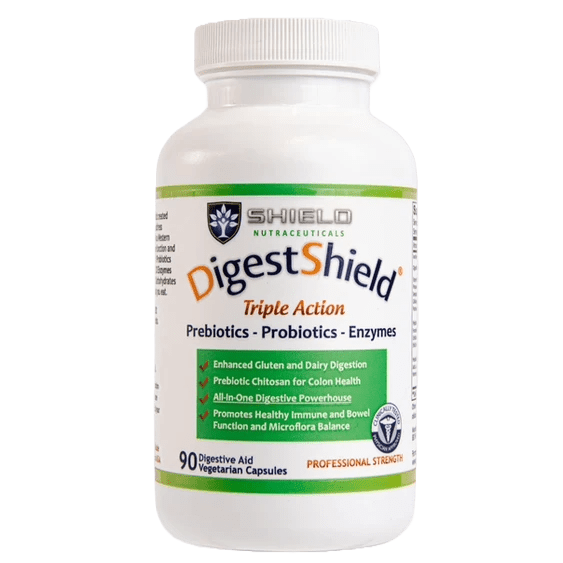
    Better Digestion, More Savings!

    Take the first step towards a happier gut. Get 5% de descuento your next purchase of DigestShield.