Best Supplements for Gut Health and Digestion
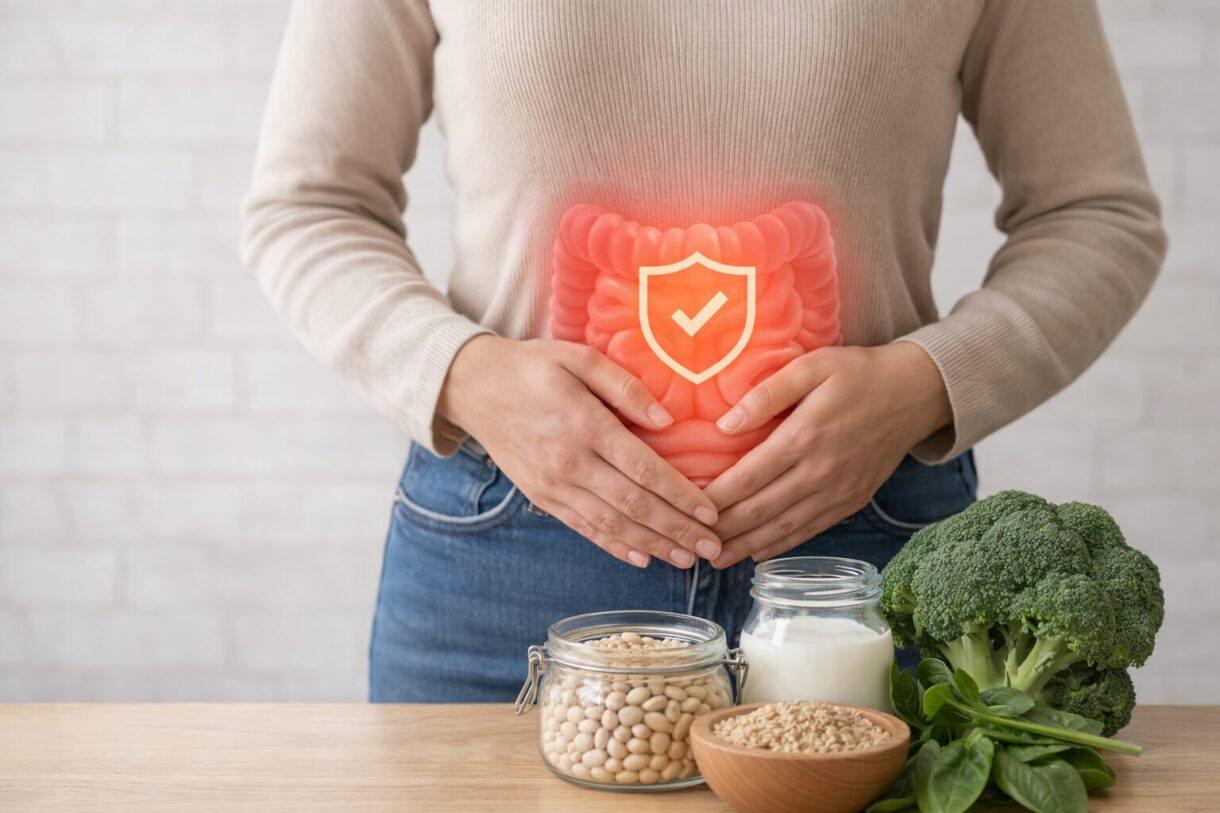
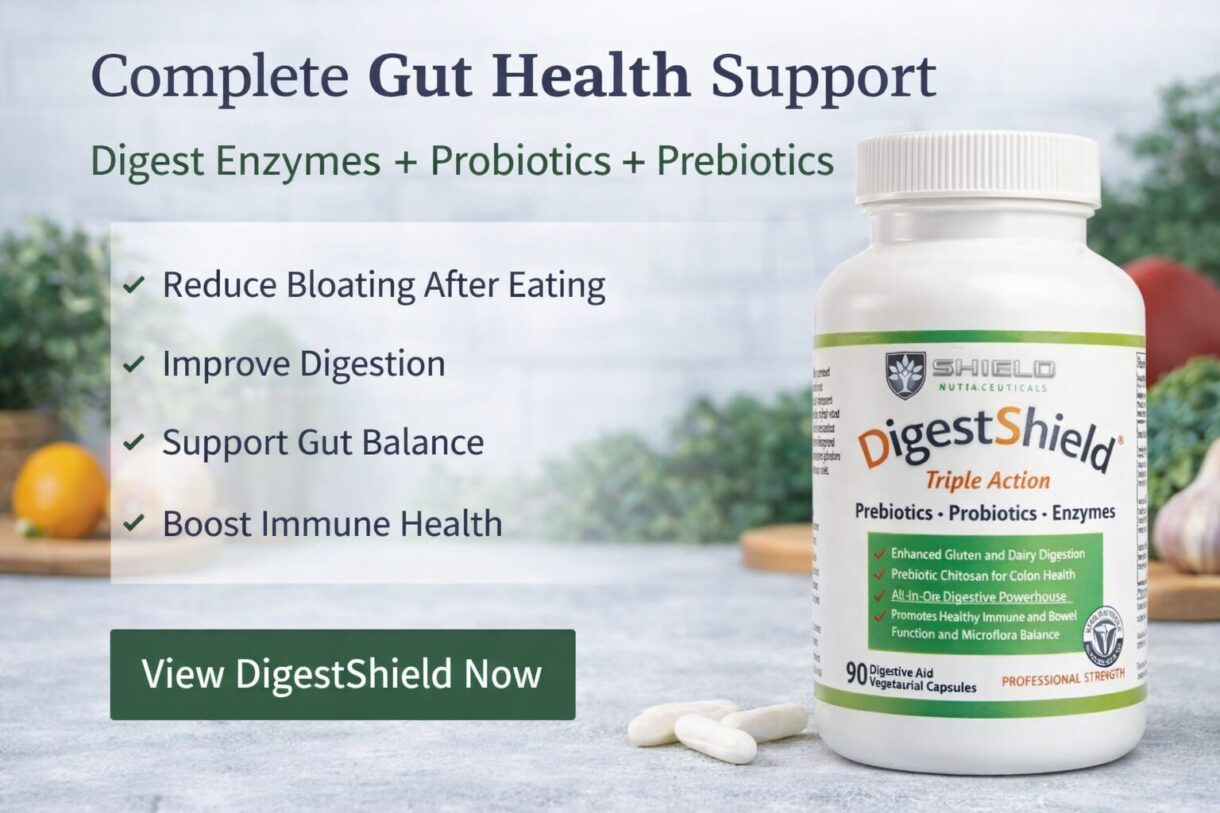
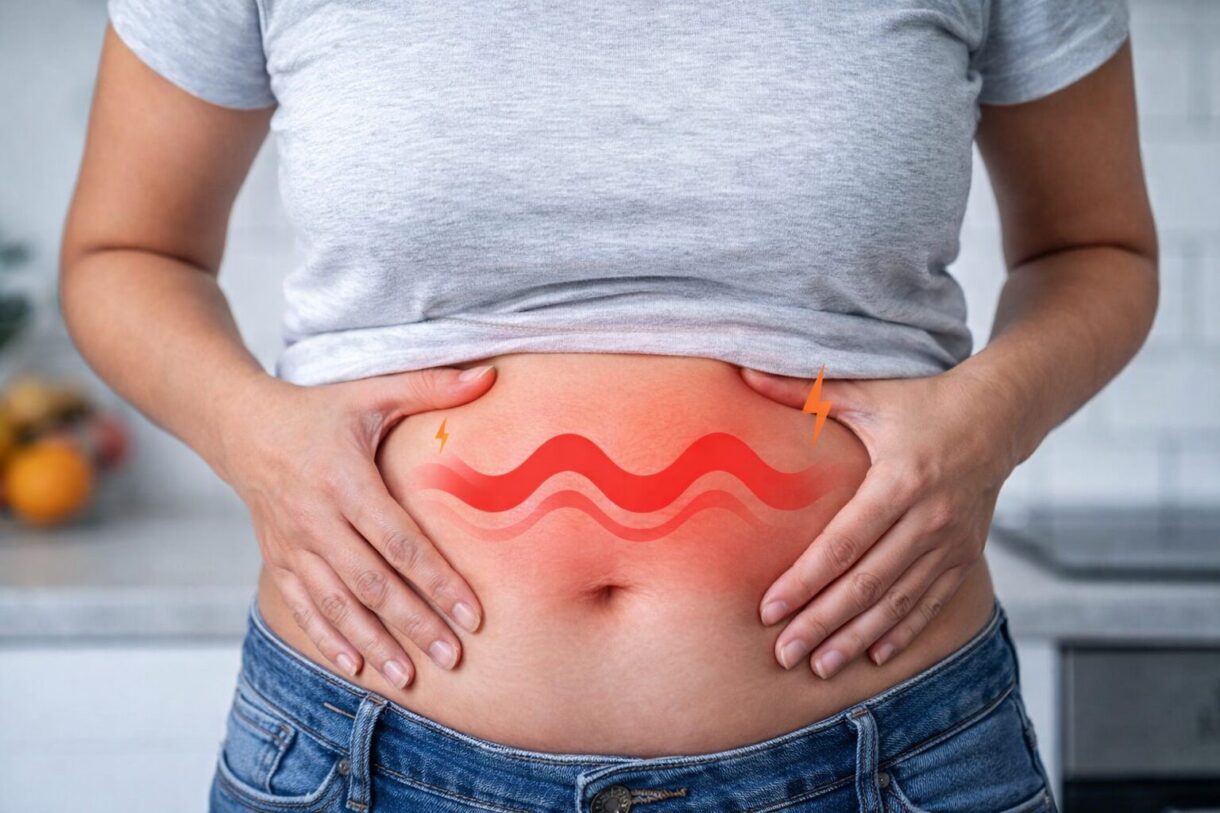
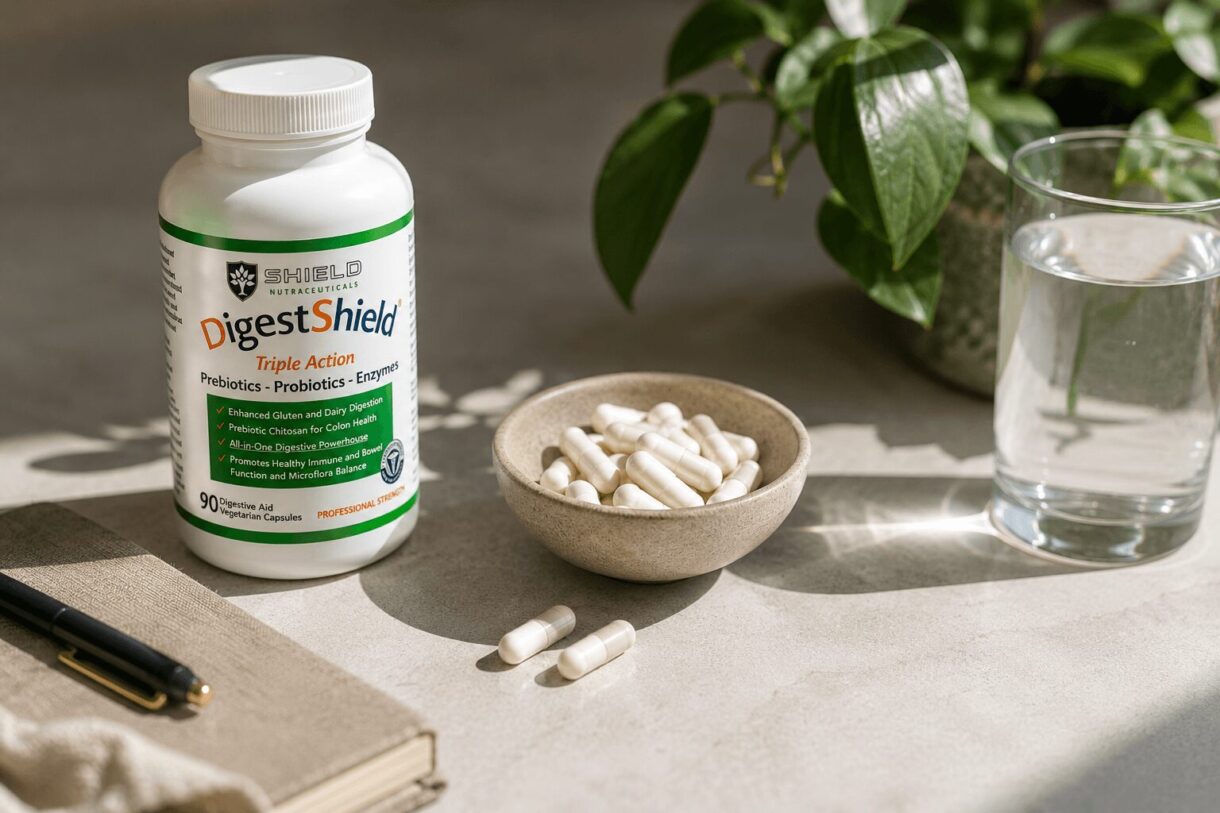
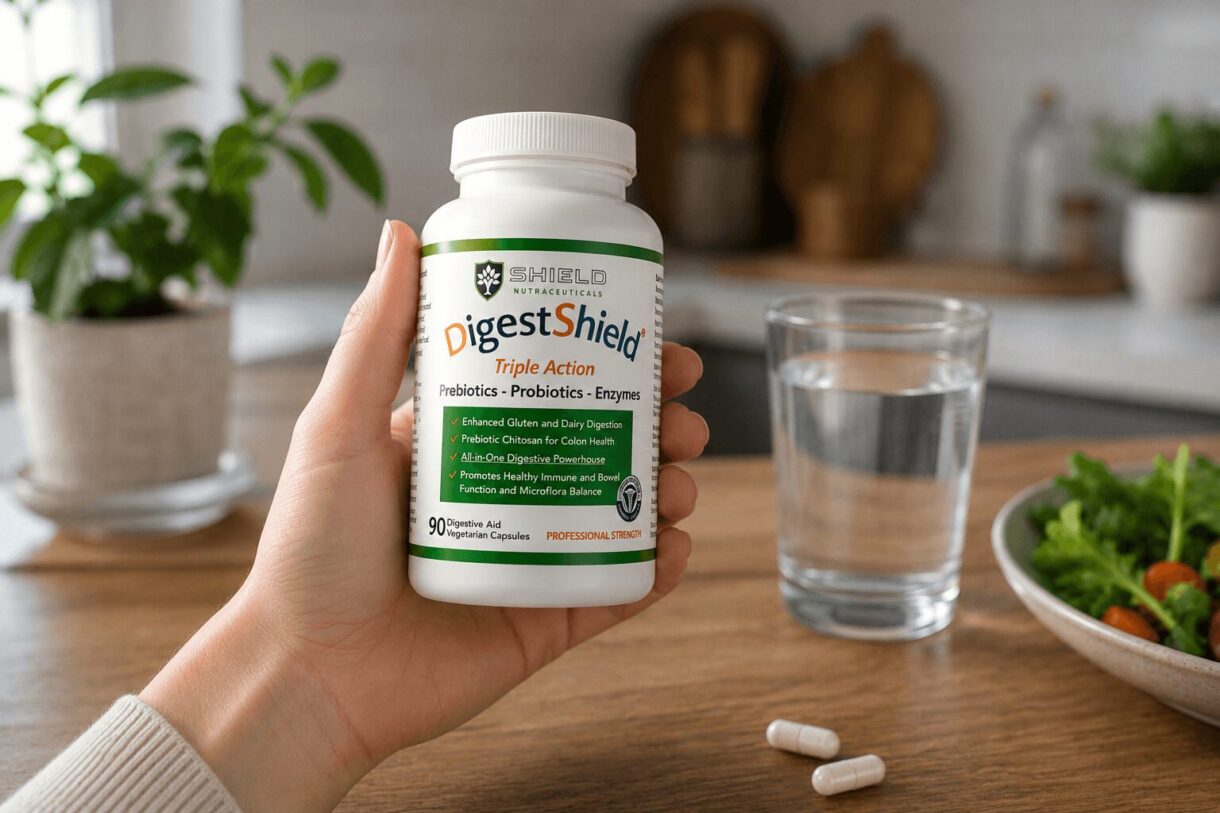
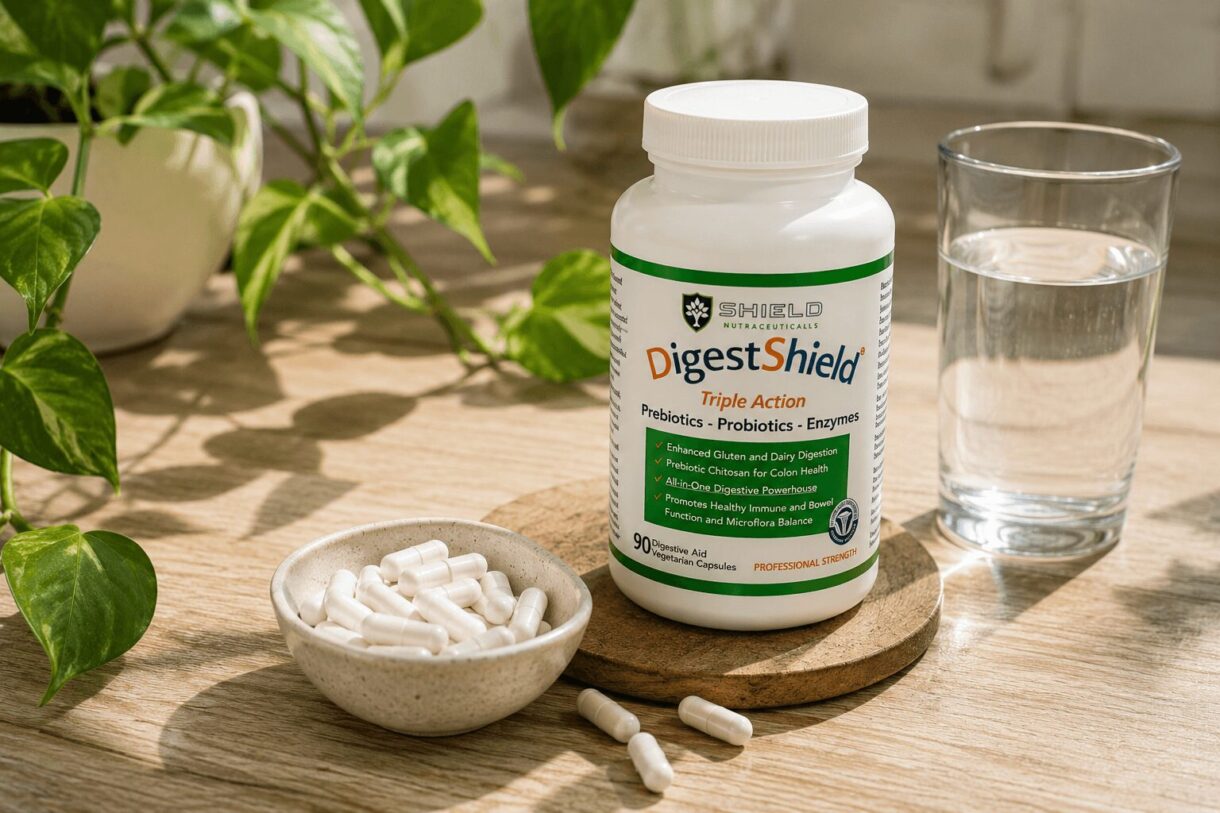
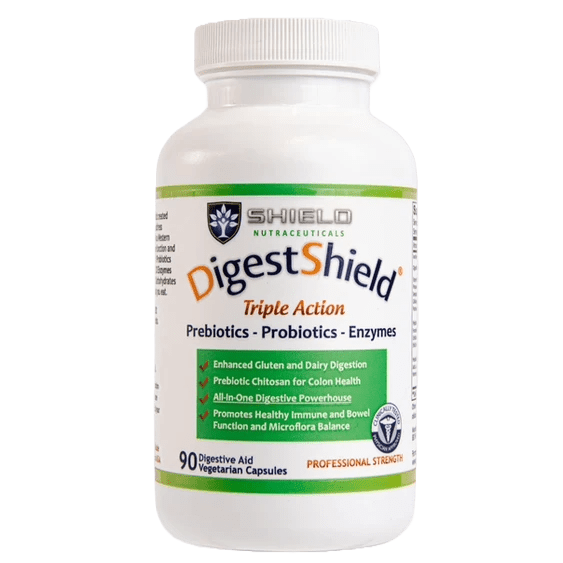
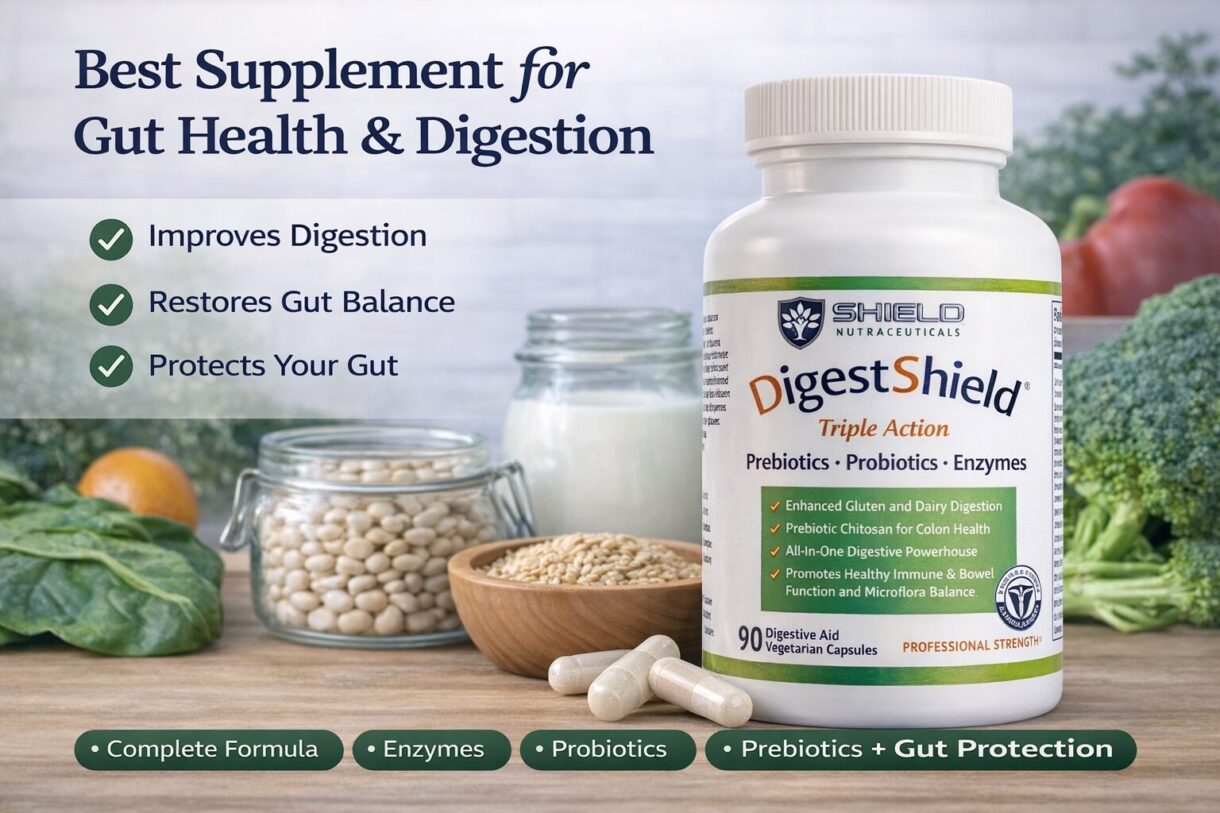
Do you often feel bloated, heavy, uncomfortable, or low on energy after eating? Digestive discomfort has become extremely common today. Many people experience bloating after meals, gas buildup, sluggish digestion, irregular bowel movements, and digestive heaviness without understanding what may actually be causing the problem. Poor digestion is often connected to multiple digestive issues happening at the same time, including: Low digestive enzyme activity Gut microbiome imbalance Poor nutrient absorption Food sensitivities Digestive irritation Sluggish digestion This is why many people are now searching for the best supplements for gut health and digestion instead of relying on temporary digestive solutions. If digestive discomfort after meals is becoming a daily problem, many individuals also explore the best gut health supplement for broader digestive wellness support. What You’ll Learn Why Gut Health Matters Signs Your Gut May Need Support Common Causes of Poor Digestion Best Supplements for Gut Health and Digestion Digestive Enzymes for Food Breakdown Probiotics for Gut Microbiome Balance Prebiotics for Long-Term Gut Support Fiber for Digestive Regularity Gut-Protective Ingredients for Digestive Comfort Why Multiple Supplements Often Fail Best All-in-One Gut Health Solution How DigestShield® Supports Digestion Naturally Benefits of Complete Gut Health Support How to Choose the Right Gut Health Supplement Natural Ways to Improve Digestion Related Gut Health Topics Frequently Asked Questions Why Gut Health Matters Your digestive system affects far more than digestion alone. Healthy gut function may help support: Nutrient absorption Gastrointestinal wellness Immune system balance Energy production Digestive comfort Healthy metabolism Gut microbiome diversity When digestive balance becomes disrupted, symptoms may begin affecting the entire body. Modern digestive research continues exploring the connection between the gut microbiome and mental health as scientists study how digestive balance influences overall wellness. Signs Your Gut May Need Support Your digestive system may need additional support if you frequently experience: Bloating after meals Gas and stomach discomfort Sluggish digestion Constipation or irregular digestion Fatigue after eating Digestive heaviness Food sensitivities Gut discomfort Many people experiencing these symptoms also research signs of poor gut health to better understand digestive imbalance. Common Causes of Poor Digestion Digestive discomfort is rarely caused by only one issue. Several factors may contribute to poor digestive wellness, including: Processed foods Poor eating habits Low digestive enzyme activity Gut microbiome imbalance Stress and lifestyle factors Food sensitivities Digestive inflammation People struggling with bloating after meals frequently explore why they feel bloated after eating to better understand digestive triggers. Best Supplements for Gut Health and Digestion Several digestive wellness ingredients may help support gut balance and digestive comfort naturally. Digestive Enzymes for Food Breakdown Digestive enzymes help support the breakdown of: Proteins Carbohydrates Fats Complex foods This may help support: Easier digestion after meals Reduced bloating Less gas buildup Better nutrient absorption Many people looking to improve food digestion naturally explore how a digestive enzyme supplement may help support digestive comfort. Probiotics for Gut Microbiome Balance Probiotics are beneficial bacteria that help support healthy gut flora diversity. They may help support: Digestive balance Gastrointestinal wellness Gut microbiome diversity Long-term digestive support Many individuals exploring digestive wellness also research the gut microbiome in health and disease to better understand how gut bacteria influence digestion. Prebiotics for Long-Term Gut Support Prebiotics help nourish beneficial bacteria already present in the digestive system. They may help support: Healthy gut environment Probiotic effectiveness Long-term digestive wellness Gut microbiome balance People comparing digestive ingredients frequently explore prebiotic vs probiotic support to understand how both contribute to digestive health. Fiber for Digestive Regularity Fiber plays an important role in digestive wellness and gastrointestinal regularity. Fiber may help support: Smoother digestion Better bowel regularity Reduced constipation Gut microbiome diversity Gut-Protective Ingredients for Digestive Comfort Certain ingredients may help support gut lining balance and digestive comfort naturally. One digestive wellness ingredient gaining attention is mushroom-derived chitosan. Many individuals researching digestive wellness also explore whether lectins damage your gut and how gut protection may influence digestive comfort. Why Multiple Supplements Often Fail Many people try taking separate digestive products such as: Digestive enzymes Probiotics Fiber supplements Gut support ingredients This often leads to: Higher supplement costs Inconsistent digestive support Incomplete digestive coverage Difficulty maintaining a routine Digestive wellness usually improves more effectively when digestion, microbiome balance, and gut protection are supported together. Best All-in-One Gut Health Solution DigestShield® – Complete Gut Health Formula DigestShield® was designed to support multiple digestive functions together in one advanced digestive wellness formula. It combines: Plant-based digestive enzymes Probiotics Prebiotics Mushroom-derived chitosan Gut microbiome support Digestive comfort support This creates a more complete digestive wellness system instead of relying on only one digestive ingredient. People experiencing digestive discomfort after meals also frequently explore the best supplement for bloating and gas for additional digestive support. How DigestShield® Supports Digestion Naturally Supports Better Digestion DigestShield® contains digestive enzymes that help support food breakdown and digestive comfort after meals. This may help support: Reduced bloating Better digestion Less gas buildup Improved nutrient utilization Supports Gut Microbiome Balance DigestShield® combines probiotics and prebiotics to support: Gut flora diversity Gastrointestinal wellness Digestive balance Long-term gut support Many individuals researching digestive wellness also explore how to improve gut microbiome naturally for long-term digestive health. Supports Gut Protection DigestShield® includes mushroom-derived chitosan to help support: Gut lining balance Digestive comfort Gastrointestinal wellness Digestive balance after meals Benefits of Complete Gut Health Support Supporting digestion from multiple angles may help support: Reduced bloating and gas Better digestion after meals Gut microbiome balance Improved nutrient absorption Better digestive comfort Long-term digestive wellness Healthy energy levels Many people comparing digestive support ingredients also explore digestive enzymes vs probiotics to better understand how different digestive ingredients support gut health. How to Choose the Right Gut Health Supplement When choosing a digestive wellness formula, look for support that includes: Digestive enzymes Probiotics and prebiotics Gut protection ingredients High-quality digestive support formula Multiple digestive wellness functions Single-ingredient supplements may not provide complete digestive support. Natural Ways to Improve Digestion Along with digestive wellness supplements, healthy daily habits may help support gut health naturally. Helpful