
If you’re trying to improve your gut health, you’ve probably heard of:
But here’s the problem:
Most people don’t understand how they work together.
As a result:
If you’re already struggling with digestion, start here – digestive issues after eating
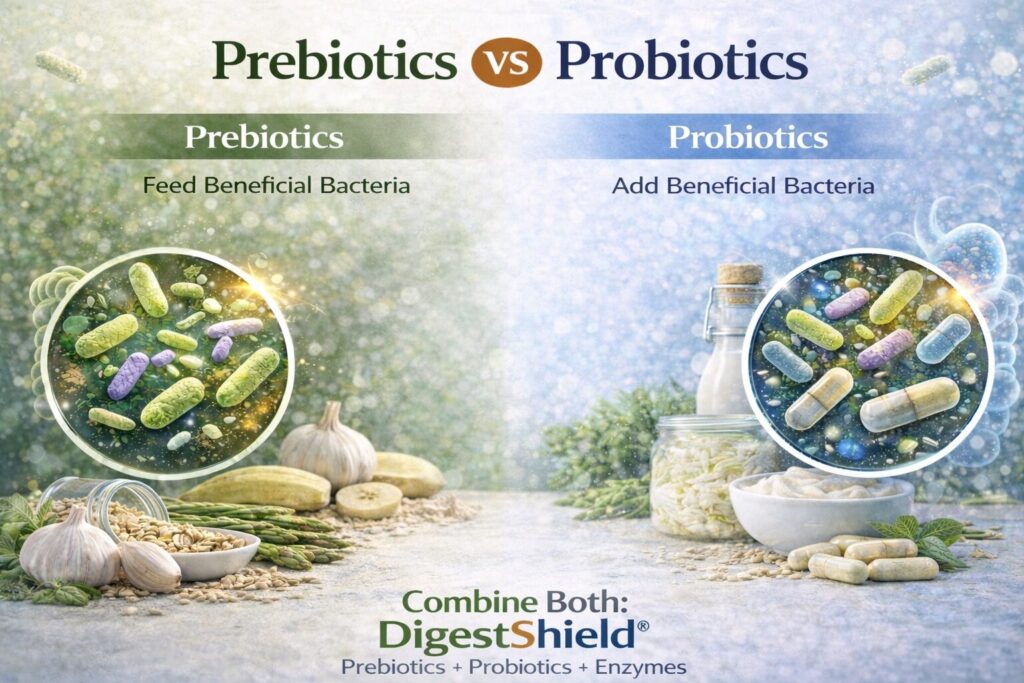
Probióticos are live beneficial bacteria that support gut balance.
Prebióticos are non-digestible fibers that feed those bacteria.
Best results come from using both together.
Probiotics are live microorganisms that, when consumed in adequate amounts, provide health benefits, particularly by improving gut microbiota composition.
They play a key role in:
Clinical and nutritional studies suggest probiotics may:
If you’re choosing a supplement – best probiotic for digestion
These introduce beneficial bacteria into the gut ecosystem.
Prebiotics are non-digestible dietary fibers that stimulate the growth and activity of beneficial bacteria in the gut.
Unlike probiotics, they do not contain bacteria.
Instead, they fuel existing good bacteria.
Prebiotics help:
Without prebiotics, probiotics struggle to survive.
| Feature | Probióticos | Prebióticos |
|---|---|---|
| Definition | Live beneficial bacteria | Fiber that feeds bacteria |
| Function | Add new bacteria | Support existing bacteria |
| Speed | Faster symptom relief | Long-term support |
| Role | Restore balance | Strengthen microbiome |
Simple analogy:
You need both for results.
This is what most people miss.
Synbiotics = combination of prebiotics + probiotics
Scientific research shows that combining both:
This is considered the most effective approach for gut health optimization.
Together, they create a stable microbiome.
Most content ignores this.
Even with probiotics and prebiotics…
If food isn’t properly broken down:
Digestive enzymes:
Learn more – digestive enzymes vs probiotics
This confirms that gut health requires a multi-layered approach.
Timing matters for effectiveness.
Probiotics:
Prebiotics:
This improves survival and function of gut bacteria.
You may need gut support if you experience:
Learn more: signs of poor gut health
These are especially beneficial for people who:
Most people choose:
This leads to incomplete results.
This combination provides:
Instead of combining multiple products…
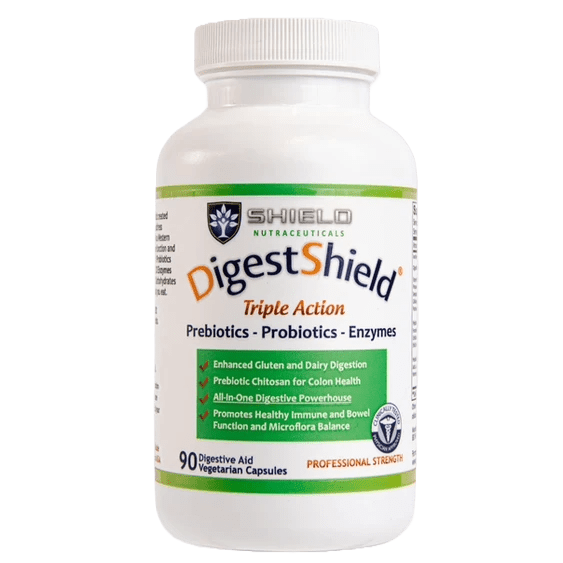
DigestShield® provides:
This aligns with the synbiotic + digestive support model.
With consistent use:
Explore the solution – best gut health supplement
Gut health improvement requires consistency and the right approach.
It’s not about choosing one.
The real solution is combining both.
Together, they deliver the best results.
If you’re tired of:
It’s time to fix the root cause.
DigestShield® is designed to:
Start your gut health journey today – best gut health supplement
What is the difference between prebiotics and probiotics?
Probiotics are live bacteria, while prebiotics are fibers that feed them.
Should I take them together?
Yes, combining both provides better results.
What are synbiotics?
Synbiotics are supplements that combine prebiotics and probiotics.
How long does it take to see results?
Most people notice improvements within 1–2 weeks.

Etiam magna arcu, ullamcorper ut pulvinar et, ornare sit amet ligula. Aliquam vitae bibendum lorem. Cras id dui lectus.
63739 street lorem ipsum City, Country
+12 (0) 345 678 9
info@company.com
Take the first step towards a happier gut. Get 5% de descuento your next purchase of DigestShield.