

Feeling uncomfortable, bloated, or overly gassy after meals even when you try to eat healthy?
Gas buildup, stomach pressure, bloating, digestive heaviness, and stomach noises can make daily life frustrating and uncomfortable.
For many people, the real problem is not simply food itself. The issue is often connected to digestion.
Poor food breakdown, gut microbiome imbalance, food sensitivities, and digestive stress can all contribute to excessive gas production.
If you are searching for how to reduce gas naturally, the good news is that many natural digestive support strategies may help improve digestion and reduce gas buildup over time.
People struggling with ongoing digestive discomfort frequently explore the best supplement for bloating and gas to better support digestion naturally.
Gas forms naturally during digestion, but excessive gas often happens when food is not processed efficiently.
When digestion becomes sluggish or incomplete, food may ferment inside the digestive system.
This may contribute to:
Recurring gas is often a sign that your digestive system may need more support.
Several digestive factors may contribute to excessive gas production.
When proteins, carbohydrates, and fats are not broken down properly, fermentation may increase inside the digestive tract.
Fast eating habits may increase swallowed air and place more stress on digestion.
This may lead to:
The digestive system contains trillions of bacteria that influence digestion and gastrointestinal wellness.
When gut microbiome diversity becomes disrupted, digestive discomfort may become more common.
Many people researching digestive wellness explore the gut microbiome in health and disease to better understand how gut bacteria influence digestion.
Digestive enzymes help support food breakdown during digestion.
Low enzyme activity may contribute to:
Individuals looking to support digestion naturally often explore how a digestive enzyme supplement may help improve food breakdown.
Certain foods may trigger digestive discomfort more easily in sensitive individuals.
Common triggers may include:
People dealing with digestive sensitivity often research why they feel bloated after eating to better understand digestive triggers.
Your digestive system may need additional support if you regularly experience:
These symptoms are commonly associated with digestive imbalance and incomplete food breakdown.
Many people experiencing digestive symptoms also explore signs of poor gut health to better understand digestive imbalance.
Several natural digestive support strategies may help reduce gas naturally.
One of the most effective ways to reduce gas naturally is improving digestion itself.
Digestive enzymes help support the breakdown of:
This may help support:
Many individuals comparing digestive support ingredients also research digestive enzymes vs probiotics to better understand how digestive ingredients support gut health differently.
Eating quickly may increase swallowed air and digestive stress.
Helpful habits may include:
These simple changes may significantly improve digestive comfort.
Warm liquids may help support digestion naturally.
Many people use:
to support digestive comfort and reduce gas buildup naturally.
Light movement may help support digestion and reduce digestive heaviness after eating.
Helpful habits may include:
The gut microbiome plays a major role in digestive wellness and gas production.
When gut bacteria balance becomes disrupted, fermentation may increase more easily inside the digestive system.
Supporting microbiome diversity may help support:
Many people researching digestive wellness also explore how to improve gut microbiome naturally for long-term digestive support.
Certain foods are commonly associated with digestive heaviness and excessive gas.
These may include:
Reducing trigger foods may help support digestive comfort naturally.
Some foods may help support digestion more comfortably.
Common examples include:
Many individuals exploring digestive wellness also research natural remedies for bloating to support digestive comfort naturally.
Long-term digestive support often depends on consistent daily habits.
Helpful habits may include:
Small habit improvements may create major digestive wellness improvements over time.
Gas often continues returning because the underlying digestive issue is never fully addressed.
Temporary digestive solutions may not fully support:
This is one reason many people now search for the best gut health supplement instead of relying on temporary digestive fixes.
The most effective digestive wellness approach often combines:
This multi-support strategy may help support digestion from multiple angles instead of focusing on only one digestive issue.
Many individuals researching digestive ingredients also compare prebiotic vs probiotic support to better understand how digestive ingredients work together.
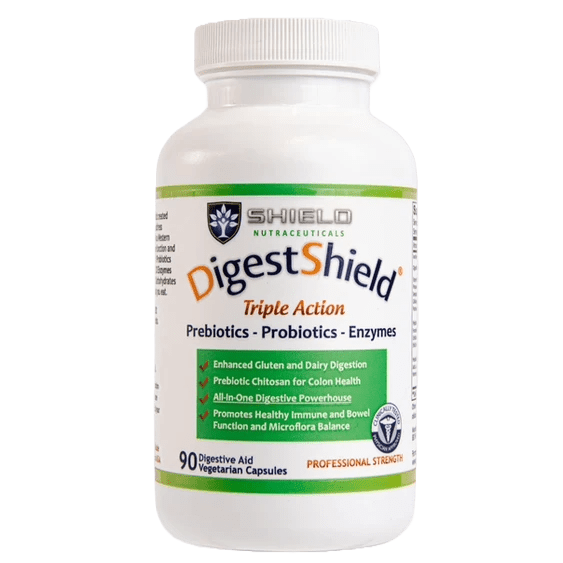
DigestShield® was designed to support digestion and gut health from multiple angles.
DigestShield® contains digestive enzymes that help support digestion after meals.
DigestShield® combines probiotics and prebiotics to support healthy gut bacteria diversity.
DigestShield® includes mushroom-derived chitosan to help support digestive comfort and gut lining balance naturally.
This creates a more complete digestive wellness system for individuals struggling with recurring gas and digestive discomfort.
Walking after meals, hydration, digestive enzyme support, and improving food breakdown may help reduce gas naturally.
Beans, processed foods, dairy, carbonated drinks, and excessive sugar are commonly associated with gas buildup.
Yes. Poor digestion may lead to food fermentation inside the digestive tract, which can contribute to excessive gas.
Gas after eating is often associated with incomplete food breakdown, food sensitivities, or digestive imbalance.
Supporting digestion, gut microbiome balance, hydration, and digestive comfort together may help improve digestion naturally.
If you are tired of dealing with:
Your digestive system may need more complete support.
DigestShield® was designed to help support:
Learn more about:
Try DigestShield® with confidence.
If you are not satisfied, the 30-day money-back guarantee helps ensure a completely risk-free experience while supporting your digestive wellness journey.

Etiam magna arcu, ullamcorper ut pulvinar et, ornare sit amet ligula. Aliquam vitae bibendum lorem. Cras id dui lectus.
63739 street lorem ipsum City, Country
+12 (0) 345 678 9
info@company.com
Take the first step towards a happier gut. Get 5% de descuento your next purchase of DigestShield.